
Court Ordered Sowore’s Imprisonment, Not DSS — Agency
The DSS has stated that Omoyele Sowore’s imprisonment resulted from a court order and not from an independent decision by the agency. It insists that its actions were carried out in compliance with judicial directives and due process.
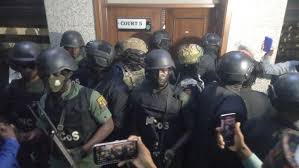
The Department of State Services (DSS) has defended its role in the detention of activist and former presidential candidate Omoyele Sowore, insisting that his imprisonment was the result of a court order rather than actions taken by the agency.
The clarification came amid renewed criticism from supporters of the activist, with the DSS maintaining that it acted strictly within the confines of the law and in compliance with judicial directives. The agency argued that responsibility for Sowore’s remand rests with the court that issued the order, not with security operatives.
According to the DSS, it has consistently followed due legal processes in matters involving criminal investigations and prosecutions. Officials stressed that security agencies do not possess the authority to independently order a person's imprisonment without judicial approval.
The agency also rejected allegations suggesting that it acted outside its legal mandate, stating that all actions taken in relation to the case were carried out in accordance with existing laws and court directives. It urged members of the public to distinguish between decisions made by the judiciary and the responsibilities of law enforcement agencies.
Sowore, a prominent activist and publisher, has remained a vocal critic of successive governments and has been involved in several high-profile legal battles over the years. His cases have frequently attracted national attention and generated debate among civil society groups, legal practitioners, and political observers.
The latest exchange adds to the ongoing discussion surrounding the role of security agencies, judicial independence, and the protection of civil liberties in Nigeria.
Related stories
 News
News
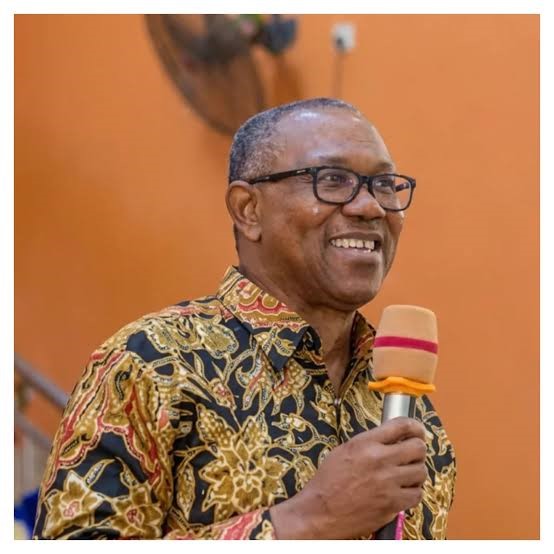
2027: Peter Obi Unveils Vision for Education, Industrialisation, National Unity
The 2027 presidential candidate of the Nigeria Democratic Congress (NDC), Peter Obi, has unveiled a vision focused on transforming education, driving industrialisation, and strengthening national unity.
 News
News
Nigerian Army Declares 104 Soldiers Missing, Says They Absconded, Are Deserters
The Nigerian Army has officially declared 104 of its personnel missing, describing them as deserters who allegedly absconded from their duty posts without authorisation
 News
News
Oyo Schools to Reopen Thursday as NUT Suspends Strike
The Nigeria Union of Teachers (NUT), Oyo State Chapter, has suspended its ongoing strike action, paving the way for the reopening of public schools across the state on Thursday, July 2, 2026
 News
News
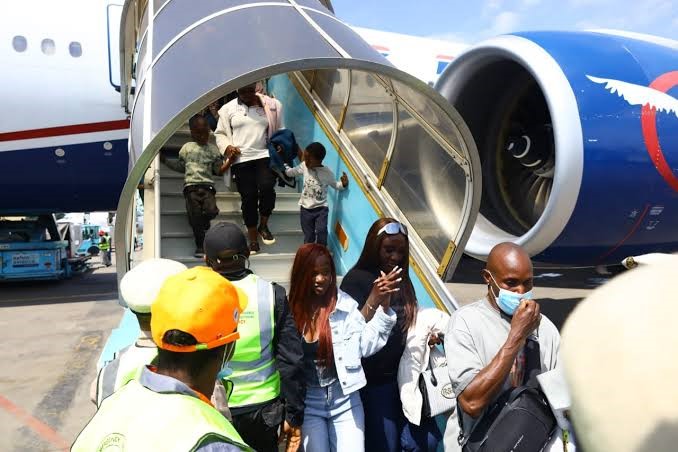
Natasha Commends Air Peace Over Evacuation of 533 Nigerians from South Africa
Kogi Central Senator, Natasha Akpoti-Uduaghan, has commended Air Peace and its Chairman, Chief Allen Onyema, for successfully evacuating 533 Nigerians stranded in South Africa amid the ongoing migrants crisis.
Comments (0)
Leave a comment
All comments are moderated before publishing. Your email is never published.