
CNG Application: States Fail to Implement Tinubu’s Low-Fare Directive
Several states have yet to reduce transport fares despite Tinubu’s October 1 CNG directive for cheaper travel.
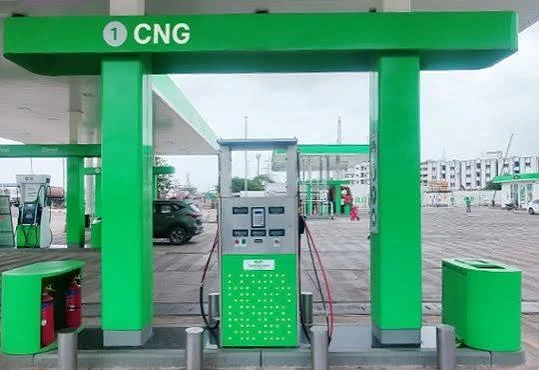
Despite President Bola Tinubu’s directive that transportation fares should begin to fall from October 1 through Compressed Natural Gas (CNG)-powered buses, commuters across several states are still paying unchanged, and in some cases higher, fares.
Findings by The PUNCH across the country on Thursday showed that the directive had yet to translate into widespread fare reductions, with transport unions in some states reporting that CNG buses had not been provided.
The affected states included Enugu, Anambra, Delta, Imo, Sokoto, Kebbi, Jigawa, Gombe, Edo, Plateau, Ondo, Osun, Oyo and Ogun, where checks indicated that fares remained largely unchanged as the October 1 target took effect.
The situation was linked partly to inadequate CNG infrastructure. Motorists and transport operators complained about shortages of refuelling facilities and conversion centres, while commercial bus operators continued to face high fuel, spare parts and maintenance costs.
However, some states have introduced subsidised or free CNG-powered transportation services, while others have begun deploying CNG and electric vehicles on selected routes.
The Chairman of the Presidential Initiative on Compressed Natural Gas and Electric Vehicles, Ismaeel Ahmed, said states including Borno, Kaduna, Zamfara and Ebonyi had started reducing transport fares through CNG and electric vehicles.
Ahmed said fare reductions had commenced on some routes before October 1. He clarified that October 1 was not intended as a deadline for every state to introduce fare cuts simultaneously, but as the date from which the Federal Government would begin monitoring lower fares on routes using CNG and electric vehicles.
Tinubu had on September 19 urged state governments to accelerate implementation of the National Affordable CNG Transit Programme. The President said his August 27 meeting with the 36 state governors produced an agreement aimed at delivering measurable reductions in transportation costs from October 1.
He urged states to work with transport unions and commercial operators, support vehicle conversion and fleet deployment, and provide infrastructure needed to ensure that savings from cheaper energy were passed to commuters through lower fares.
The Federal Government has promoted CNG as an alternative to petrol following the removal of fuel subsidies and pressure on transportation costs. Earlier government statements cited existing CNG and electric transport schemes as evidence that lower energy costs could translate into cheaper public transportation.
The latest findings indicate that implementation remains uneven across the states, with the impact varying according to vehicle deployment, infrastructure and local transport arrangements.
Sponsored

Related stories
 News
News
Blaming Opposition For Hunger Is ‘Delusion’ — Atiku Tells Tinubu
Atiku Abubakar has accused President Tinubu of evading responsibility for Nigeria’s economic hardship after blaming opposition politicians for hunger and poverty.
 News
News
Tinubu Accuses Opposition of Creating Hunger, Poverty
President Bola Tinubu has accused opposition parties of creating the hunger and poverty they now criticise his administration over, insisting that his government is working to eradicate hardship and deliver economic prosperity.
 News
News
UNICEF, Sokoto Target One Million Children for Polio Vaccination
UNICEF and the Sokoto State Government are intensifying efforts to protect children against polio through vaccination, community mobilisation and public awareness, with emphasis on reaching every eligible child and addressing vaccine hesitancy.
 News
News
2027 Northern Nigerians Will Repay Tinubu with Votes, Says Sani, Yari
Kaduna State Governor Uba Sani and APC Presidential Campaign Council Director-General Abdul’aziz Yari have expressed confidence that Northern Nigerians will support President Bola Tinubu’s re-election bid in 2027, citing federal government interventions in infrastructure, security, education and agriculture.
Comments (0)
Leave a comment
All comments are moderated before publishing. Your email is never published.