
CARE NGO Showcases Gains of Climate‑Smart Agriculture Project in Kaduna
CARE NGO says its climate‑smart agriculture project in Kaduna has trained hundreds of farmers in resilient production techniques, boosting yields, cutting losses and strengthening food security. A recent knowledge‑sharing workshop highlighted how climate‑aware practices are helping communities adapt to shifting rainfall and rising temperatures.
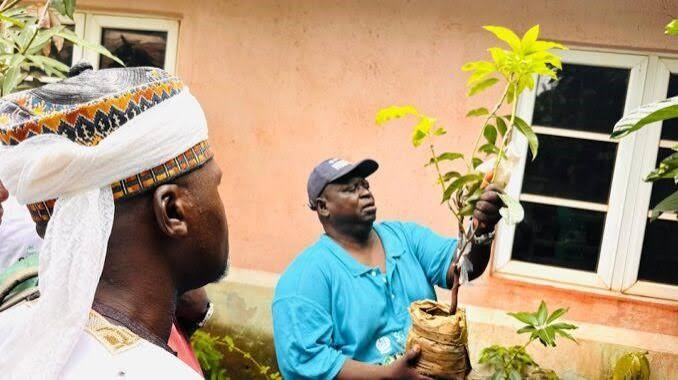
CARE NGO has put a spotlight on the impact of its climate‑smart agriculture project in Kaduna State, presenting early results that suggest smallholder farmers can adapt successfully to changing weather patterns when given the right tools and training. The initiative, which began in 2025, has focused on equipping farmers with practical techniques that protect soils, use water more efficiently and keep production stable despite more unpredictable rainfall.
According to the organisation, 450 beneficiaries have so far been trained in climate‑smart agricultural practices over three distinct phases, with 150 participants in each phase. These sessions did not stop at classroom theory; they were designed around hands‑on learning in demonstration plots, where farmers could see how techniques such as intercropping, mulching, crop rotation and improved seed use perform under real field conditions. The idea is to replace trial‑and‑error with tested methods that raise yields while preserving the environment.
The project recently culminated in a knowledge‑sharing and experience‑management workshop in Kaduna, where farmers, local officials and technical experts came together to assess what has worked and what still needs to be improved. Participants documented lessons learned, ranging from how best to schedule planting around new rainfall patterns to how small changes in soil management can dramatically improve moisture retention during dry spells. These reflections are expected to feed into the next phase of the initiative and inform similar efforts in other communities.
One of the key gains highlighted by CARE is stronger resilience at household level. Farmers reported that adopting climate‑smart practices has helped reduce the risk of crop failure when rains arrive late or stop earlier than expected. By diversifying crops, protecting soils and using water more carefully, many communities have seen more stable harvests, which translates into better food security and more predictable income. This matters in a state where climate shocks can quickly push vulnerable families into crisis.
The project also places emphasis on inclusion, particularly for women and young people. Climate‑smart agriculture in Kaduna is not being framed only as a technical upgrade, but as an opportunity to bring more people into productive farming through accessible techniques and small‑scale innovations. Training modules have included backyard and household‑level farming, allowing women and youth to grow vegetables and other crops around their homes, improving nutrition and providing small streams of income.
CARE’s work sits within a wider landscape of climate‑smart initiatives in Kaduna. World Bank‑supported projects such as ACReSAL have provided community revolving funds for climate‑smart rain‑fed agriculture, while other partners have introduced solar irrigation, heat‑tolerant crop varieties and better post‑harvest handling. Together, these programmes show that climate resilience is increasingly being treated as a practical, local task—not just a policy slogan.
For farmers in the CARE project, one of the most tangible changes has been access to information and peer networks. Through the workshop and earlier training, participants can now exchange ideas on what works in different parts of the state, share risk‑management strategies and learn how to integrate new practices without abandoning their existing experience. This kind of farmer‑to‑farmer learning can be just as important as formal training in sustaining change over time.
Looking ahead, CARE and its partners are already discussing how to expand the project to more communities in Kaduna. Scaling up will mean training new groups, securing resources for climate‑smart inputs and deepening collaboration with state agencies and other programmes working on climate resilience. The hope is that, as more farmers adopt these methods, Kaduna’s agriculture will be better able to withstand the climate shocks that are now part of everyday reality—and to do so in a way that keeps families fed, incomes growing and natural resources protected.
Related stories
 Agriculture
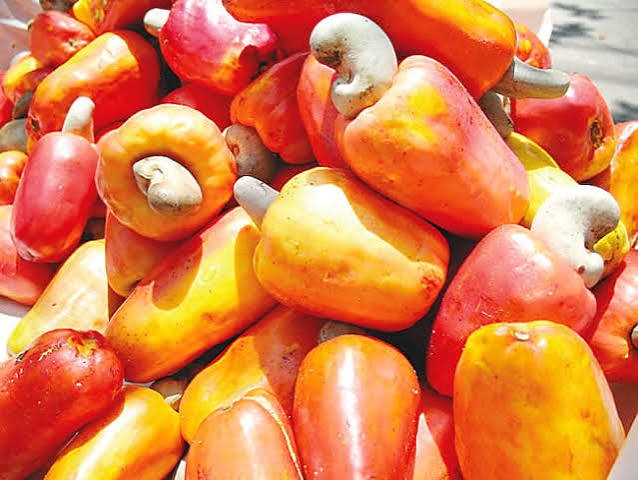
FG Targets Cashew Value Addition as 85% of Output Leaves Nigeria Unprocessed
The Federal Government is stepping up efforts to add value to Nigeria’s booming cashew production, as around 80–85 percent of output still leaves the country in raw form. Officials say the goal is to expand local processing, create jobs and capture billions of naira now lost to foreign processors
 Agriculture
Shettima Launches Niger Delta Agric Investment Fund to Boost Food Security, Economic Diversification
Vice President Kash the region’s oil‑dependent economy. The fund will back projects across key value chains, from aquaculture and palm oil to cassava, rice and cocoaim Shettima has launched a $500 million Niger Delta Agricultural Development and Investment Fund to raise food production, attract private capital and help diversify.
 Agriculture
NDDC Launches $500m Investment Fund to Drive Niger Delta Agricultural Transformation
The Federal Government and the NDDC have unveiled a $500 million Niger Delta Agricultural Investment Fund to boost food production, attract private capital and create jobs across the region. The initiative is designed as a commercial, returns-driven vehicle spanning key agricultural value chains
 Agriculture
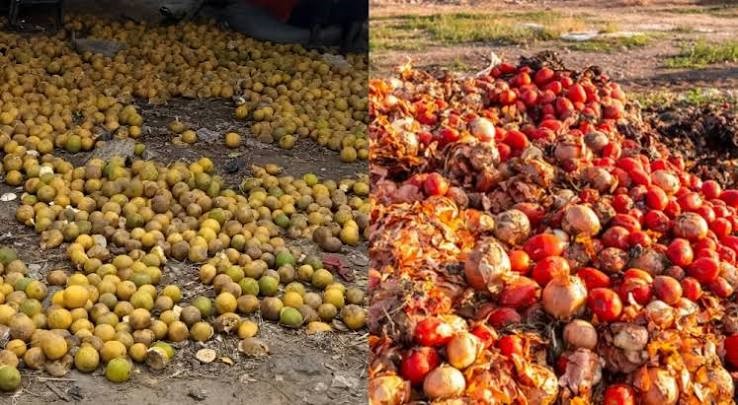
Post-Harvest Losses Cost Nigeria N3.5 Trillion Yearly, Bank of Agriculture Says
Nigeria is losing about N3.5 trillion every year to post-harvest losses, according to agricultural stakeholders, underscoring how badly poor storage and weak cold-chain systems are hurting food security. The warning adds urgency to calls for better infrastructure across the farm-to-market chain
Comments (0)
Leave a comment
All comments are moderated before publishing. Your email is never published.