
Ash Biomedical Produces Seven Local Test Kits for HIV, Malaria, Hepatitis, Pregnancy
Nigerian diagnostics firm Ash Biomedical has announced the production of seven own-brand rapid test kits covering HIV, malaria, hepatitis, and pregnancy, with 15 million test kits delivered over 15 years through 66 government contracts across 27 states. Managing Director Adetoyese Shodeinde says the milestone reflects years of investment in quality and regulatory compliance, as the company prepares to commission a manufacturing facility in Abuja by the first quarter of 2027
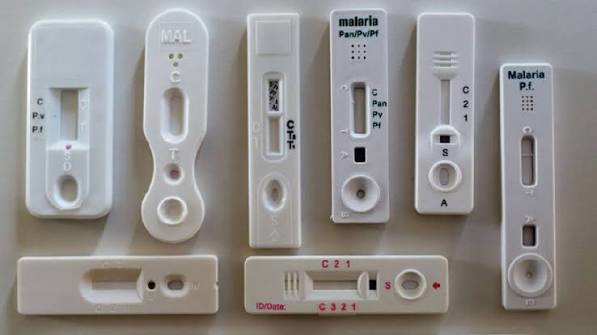
A Nigerian firm, Ash Biomedical Diagnostics Ltd., has announced the production of seven of its own-brand diagnostic medicine to manage and treat HIV, malaria, hepatitis, and pregnancy, in a significant boost for local manufacturing and healthcare self-sufficiency.
The seven products include ABD HIVChek, MalChek, MalChek Plus, HepaQuik, HepaQuik Duo, PregSure, and FlaviQuik. The products comprise 12 Stock Keeping Units (SKUs) covering four critical healthcare testing areas including HIV, malaria, hepatitis, and pregnancy. Its Managing Director, Adetoyese Shodeinde, in a statement issued Monday, stressed that the achievement reflected years of deliberate investment in quality, regulatory compliance, and product development.
Shodeinde explained that among the newest additions now available nationwide were FlaviQuik, designed for Hepatitis C rapid testing, and HepaQuik Duo, which enables dual screening for Hepatitis B and Hepatitis C using one test, supporting healthcare providers and screening programmes in identifying individuals who may require further medical evaluation during a single patient encounter.
Shodeinde said for Nigerians, the significance of the milestone extended beyond product availability, adding that it represents continued progress towards strengthening confidence in locally developed healthcare solutions while expanding access to rapid diagnostics capable of supporting earlier disease detection. He stressed that NAFDAC registration provided the formal regulatory basis for the products to be marketed in Nigeria.
"Our vision has always been bigger than producing diagnostic kits. We are building confidence in Nigerian healthcare manufacturing by ensuring that every product carrying the Ash Biomedical name meets the standards required for quality, reliability and national regulatory approval," Shodeinde stated.
He stated that Ash Biomedical's expanded hepatitis portfolio arrived as increased hepatitis screening continued to draw national and global attention. The managing director said through FlaviQuik and HepaQuik Duo, Ash Biomedical was contributing additional rapid diagnostic options that supported healthcare professionals in screening patients more efficiently. Shodeinde said the company's growing hepatitis portfolio complemented its broader commitment to developing practical diagnostic solutions that made quality testing more accessible across Nigeria.
Founded in 2011, Ash Biomedical has steadily grown from a Nigerian diagnostics company into a recognised manufacturer with products reaching healthcare institutions across the federation. The company has delivered 15 million test kits over 15 years through more than 66 government and institutional contracts across 27 states, while its products have reached all 36 states of Nigeria. Independent hospital evaluations conducted by the APIN Reference Laboratory, NISA Premier, Garki Hospital, Police Clinics, and the National Hospital, Abuja, found 100 per cent concordance between Ash Biomedical rapid-test results and reference laboratory findings across HIV, hepatitis B, pregnancy, and malaria testing in the evaluated samples.
For the company, Shodeinde said these achievements provided important evidence that local manufacturing and quality diagnostics could successfully coexist within Nigeria's evolving healthcare landscape. He revealed that the firm was simultaneously advancing the development of its diagnostics manufacturing facility in Idu, Abuja, which was in its final phase of construction and equipment installation. Shodeinde stated that with the structure in progress, production equipment being installed, and cleanroom development advancing, the company expected to commission the factory by the first quarter of 2027.
The development comes amid a broader push by the Federal Government to strengthen local manufacturing of medical products and reduce dependence on imports. Nigeria has historically relied heavily on imported diagnostic kits and pharmaceuticals, exposing the country to supply chain disruptions and foreign exchange pressures. The COVID-19 pandemic laid bare the fragility of this dependence, prompting renewed emphasis on building domestic capacity for the production of essential medical supplies.
Ash Biomedical's achievement also aligns with the Nigeria Export Processing Zones Authority's efforts to attract investment into the medical and pharmaceutical sector. In 2022, NEPZA announced that Ash Biomedical Diagnostics Ltd. would invest an initial $100 million in the production of medical equipment in the Medical/Pharmaceutical Special Free Zone in Lekki, Lagos, signalling the company's long-term commitment to expanding Nigeria's manufacturing footprint.
The company's ability to secure NAFDAC registration for all seven products provides a strong foundation for market penetration and regulatory credibility, while the independent evaluations confirming 100 per cent concordance with reference laboratory findings offer healthcare providers and patients alike the assurance that locally manufactured diagnostics can meet international quality standards.
For a country that bears a disproportionate share of the global disease burden, particularly in HIV, malaria, and hepatitis, the availability of affordable, locally produced rapid test kits represents a critical intervention. Earlier detection enables earlier treatment, reduces transmission, and ultimately saves lives. As Ash Biomedical prepares to commission its Abuja factory, the company is positioning itself not just as a manufacturer, but as a catalyst for a broader transformation of Nigeria's healthcare manufacturing ecosystem.
Sponsored

Related stories
 Health
Borno Hires 2,000 Health Workers, Still Faces Staff Shortage
Borno State has recruited nearly 2,000 doctors, nurses and other health professionals in two years, but the head of its contributory health agency says manpower gaps persist as demand grows under the state health insurance scheme.
 Health
Lassa Fever Kills 268 in Nigeria as Cases Hit 1,138
Nigeria has recorded 1,138 confirmed Lassa fever cases and 268 deaths across 24 states in 2026, with the case fatality rate rising to 23.6 per cent—significantly higher than the 18.6 per cent recorded during the same period in 2025. The NCDC has identified five states accounting for 88 per cent of all confirmed cases, as it intensifies preparedness efforts ahead of the peak transmission season.
 Health
MSF Calls for Routine Noma Surveillance in Nigeria
Doctors Without Borders says noma, a fast-moving and often fatal facial infection linked to malnutrition and poverty, remains largely missing from Nigeria's routine child health programmes despite its 2023 recognition as a neglected tropical disease.
 Health
Oyo Rejects Diphtheria Outbreak Claims, Accuses APC
The Oyo State Government has dismissed claims by the Senator Sharafadeen Alli Campaign Organisation that diphtheria has affected 16 local government areas, describing the allegation as false and politically motivated. Commissioner for Health Dr. Oluwaserimi Ajetunmobi confirmed that while suspected cases have been recorded in 10 LGAs, none have been confirmed, and accused the APC campaign group of distorting immunisation data to score political points.
Comments (0)
Leave a comment
All comments are moderated before publishing. Your email is never published.