
90% of Nigerians Lack Formal Pension Coverage — Report
Over 75 million Nigerians in the informal sector may face retirement without pensions, savings or adequate social protection.

More than 75 million Nigerians working in the informal sector may reach retirement without access to formal pension coverage, according to the National Pension Commission.
The Director-General of PenCom, Omolola Oloworaran, disclosed this in Abuja while speaking at the presentation of a licensed accredited pension agent certificate to Awabah, the first company accredited under the commission’s new pension agent framework.
Oloworaran said data from the National Bureau of Statistics showed that more than 90 per cent of Nigeria’s workforce operates within the informal economy, while pension coverage among workers in the sector remains extremely low.
She explained that the affected workers include traders, artisans, farmers, transport operators, technicians, small business owners and young entrepreneurs who contribute significantly to economic activity but often lack structured retirement plans.
According to her, the situation creates a significant challenge for the country because millions of Nigerians could become financially vulnerable after leaving the workforce.
She noted that Nigeria’s pension reforms had expanded retirement protection for formal-sector workers but that the informal economy remained largely underserved.
PenCom has therefore intensified efforts to bring more informal-sector workers into the pension system through the Personal Pension Plan and other initiatives designed for people with irregular incomes.
The commission is also working with technology companies, financial institutions, cooperatives and other organisations to make pension contributions easier and more accessible to self-employed Nigerians.
Oloworaran said the accreditation of pension agents would help bridge the gap by allowing trained agents to reach workers who may not have direct access to conventional pension operators.
The development comes amid concerns about the long-term financial security of Nigerians who spend their entire working lives outside formal employment.
A separate report indicated that 92 per cent of registered Personal Pension Plan accounts had received no contributions as of December 2025, highlighting the difficulty of maintaining regular retirement savings among informal workers.
PenCom has continued to encourage traders, artisans, farmers, professionals and other self-employed Nigerians to participate in available pension schemes.
The commission said expanding coverage remains important to reducing the risk of old-age poverty and improving financial security for Nigerians after retirement.
It also urged stakeholders in the informal economy to support efforts aimed at increasing pension participation and creating a stronger culture of retirement savings across the country.
Sponsored

Related stories
 News
News
NPHCDA Completes Renovation of 3,526 Primary Healthcare Centres
The National Primary Health Care Development Agency says it has renovated and handed over 3,526 healthcare centres nationwide, with work continuing at 908 others to improve access to essential medical services.
 News
News
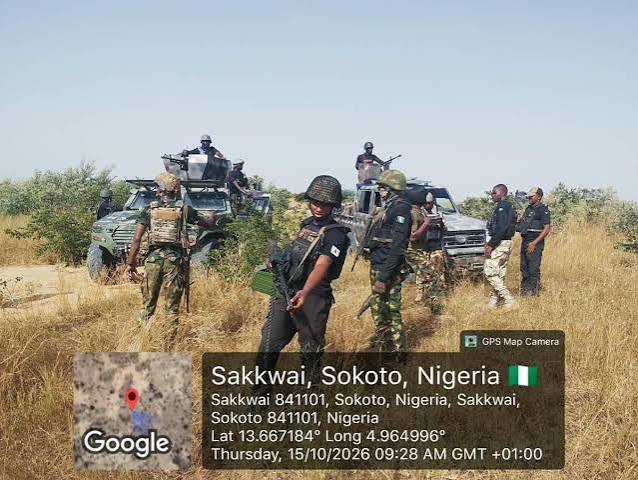
Army Destroys Lakurawa Camps in Sokoto, Kills Terrorists
Nigerian Army troops have destroyed Lakurawa terrorist camps in Waria Forest, Sokoto State, killing several fighters and recovering weapons and five motorcycles during a military operation.
 News
News
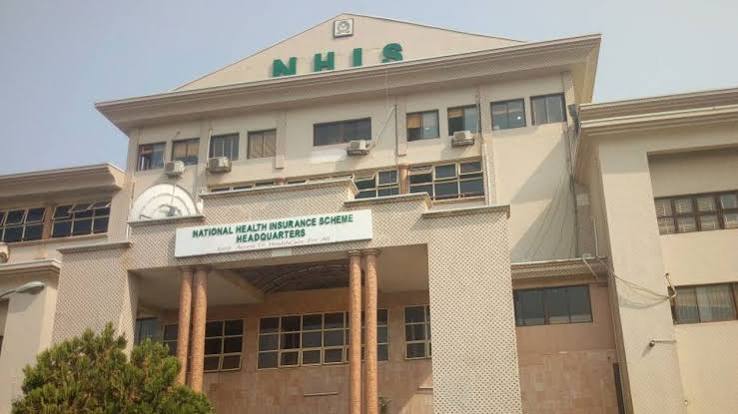
NHIA Raises Fee-for-Service Payments to Hospitals by 373 Per Cent
The National Health Insurance Authority has increased reimbursements to healthcare providers by 373 per cent and doubled capitation payments, as part of efforts to improve care quality, expand insurance coverage and restore public confidence.
 News
News
Nigeria’s Inflation Rate Drops to 14.63 Per Cent in September
Nigeria’s headline inflation rate fell to 14.63 per cent in September 2026 from 15.39 per cent in August, according to the National Bureau of Statistics, although food inflation remained elevated.
Comments (0)
Leave a comment
All comments are moderated before publishing. Your email is never published.