
2027 Opposition Showdown: Obi, Amaechi Rivalry Deepens as Nigerians Demand Relief Amid Economic Pressure
“Rising food prices, electricity instability, fuel costs, unemployment, and insecurity continue to define daily life across the country. Many voters are now less concerned with zoning arrangements and more focused on whether any candidate can meaningfully improve living conditions.”
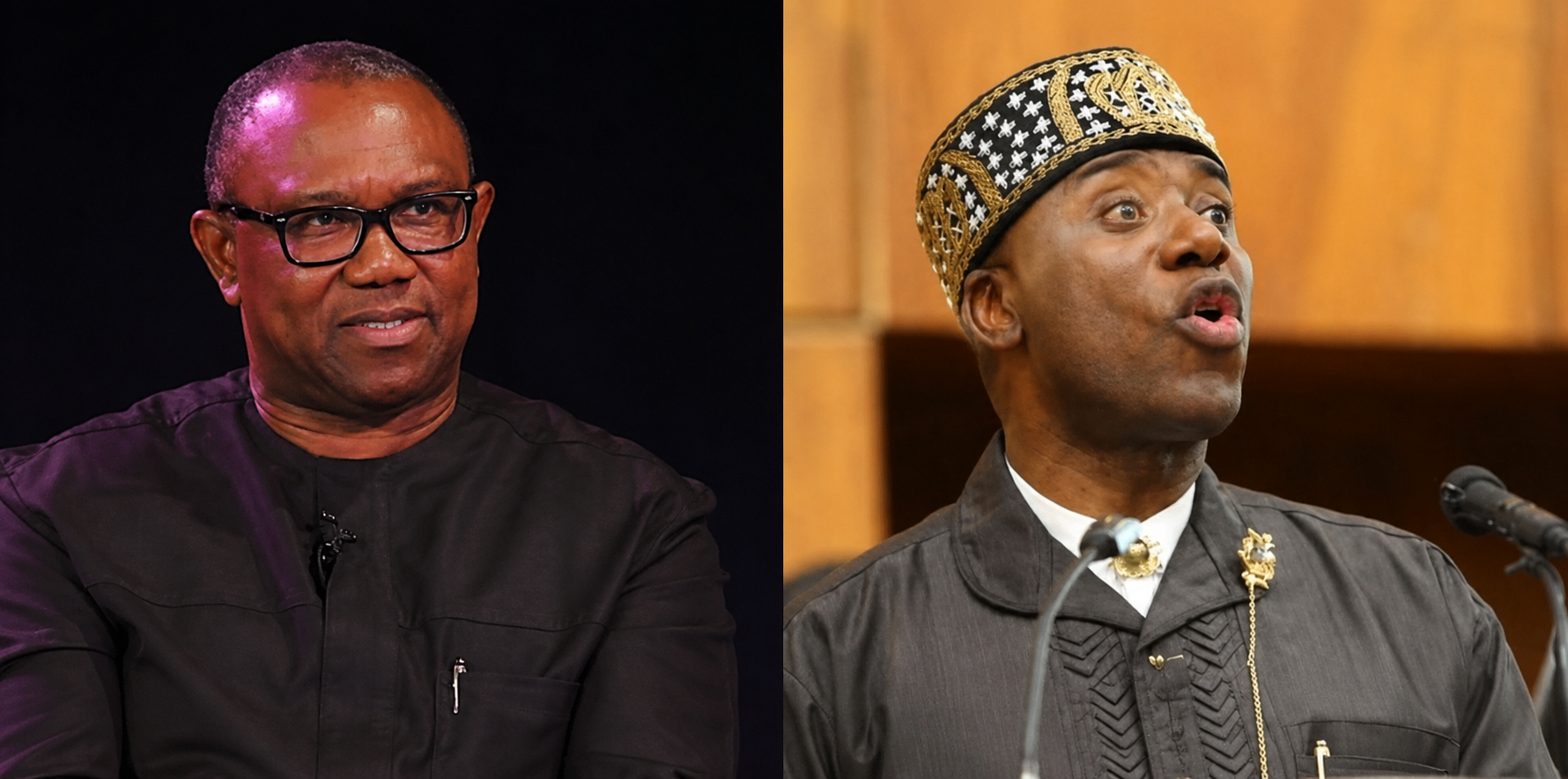
Nigeria’s political landscape ahead of the 2027 general elections is increasingly being shaped by a deeper and more consequential struggle within the opposition: not just how to challenge the incumbent government, but who within its ranks can credibly lead that challenge.
At the centre of this unfolding equation are two southern political figures, Peter Obi and Rotimi Amaechi, whose contrasting political profiles have become the focal point of opposition calculations across party lines and regional blocs.
While Obi has already emerged as a presidential candidate under the National Democratic Congress (NDC), Amaechi’s political future remains unresolved as the African Democratic Congress (ADC) holds its high-stakes presidential primary amid intense internal negotiations, elite pressure, and competing regional interests.
Southern Pressure Meets Northern Resistance
A growing political sentiment in parts of southern Nigeria is that the region should retain the presidency for another four years. Proponents of this argument point to Nigeria’s informal power rotation arrangement, which has historically guided elite consensus since 1999.
They argue that following eight years of Muhammadu Buhari’s northern presidency, the South is entitled to complete an equivalent cycle of political leadership continuity. However, this position is complicated by the fact that the incumbent president, Bola Tinubu, is also from the South, raising questions about fairness, balance, and electoral interpretation of zoning.
Within opposition structures, particularly in ADC-aligned negotiations, northern political actors are resisting any automatic endorsement of a southern consensus candidate.
Former Vice President Atiku Abubakar remains a central figure in this internal struggle. His political bloc continues to argue that electoral viability, not zoning sentiment, must determine candidate selection. The result is a widening tension between regional expectation and strategic calculation.
Obi vs Amaechi: Two Competing Political Models
As opposition negotiations intensify, attention has narrowed to Obi and Amaechi as the two most prominent southern figures shaping the broader anti-incumbent equation. Though both command national recognition, they represent fundamentally different political pathways.
Peter Obi: Mass Appeal and Economic Protest Politics
Obi’s political strength lies in his strong grassroots appeal, particularly among young Nigerians, urban voters, and economically distressed citizens.
His 2023 presidential run demonstrated a powerful cross-regional movement driven by frustration over inflation, unemployment, fuel subsidy removal effects, insecurity, and rising living costs. That movement has since evolved into a broader protest-driven political identity.
Supporters argue that Obi represents a shift toward performance-based politics, where voters are increasingly guided by economic survival rather than party loyalty or traditional elite structures.
However, analysts note that translating this widespread enthusiasm into a fully coordinated national electoral machine capable of securing votes at every level remains a major challenge.
Rotimi Amaechi: Structure, Strategy, and Political Networks
Amaechi’s supporters highlight his deep experience within Nigeria’s political and administrative systems.
As former governor of Rivers State, former Chairman of the Governors’ Forum, and former Minister of Transportation, he built extensive relationships across federal and state-level political networks.
His role in coordinating the successful 2015 opposition campaign that brought an incumbent government down is often cited as evidence of his capacity for national electoral strategy, coalition building, and internal party management.
Still, questions persist about whether elite-driven political structures can withstand the rising influence of youth-led, economically driven voter mobilisation.
Stakeholders Split Over Electability
Within political circles, there is no consensus on the strongest path to victory.
One school of thought argues that Nigeria’s electoral system still depends heavily on structure, state-level coordination, elite negotiation, and regional vote balancing.
Another camp believes that worsening economic conditions have fundamentally changed voter behaviour, creating a protest-driven electorate less loyal to traditional political machinery.
The opposition, observers note, is yet to reconcile these two competing models into a unified strategy.
Ordinary Nigerians: Hardship as the Defining Factor
Among ordinary citizens, the debate is less about political theory and more about survival.
Rising food prices, electricity instability, fuel costs, unemployment, and insecurity continue to define daily life across the country.
In cities such as Lagos, Abuja, Kano, and Port Harcourt, economic hardship has weakened traditional political loyalties. Many voters are now less concerned with zoning arrangements and more focused on whether any candidate can meaningfully improve living conditions.
A recurring sentiment among citizens is that political leadership must now be judged by outcomes rather than promises or regional rotation logic.
The Central Question Ahead of 2027
As Nigeria moves closer to another critical election cycle, one question dominates political discourse:
Can the opposition defeat an incumbent government without uniting behind a single, strategically strongest candidate?
For now, the answer remains uncertain.
What is clear, however, is that the 2027 election will not be defined by zoning rhetoric alone. It will be shaped by how effectively opposition forces manage internal rivalry, respond to worsening economic pressure, and convert widespread public dissatisfaction into a unified electoral strategy capable of challenging incumbency advantage.
Sponsored

Related stories
 News
News
Abducted Corps Members Recount Ordeal, Say Kidnappers Fed Them Garri With Dirty Water
A survivor of the abduction of 20 prospective NYSC members in Imo State has recounted how their captors beat them, monitored their calls to relatives and forced them to survive on dry garri and muddy water during seven days in captivity.
 News
News
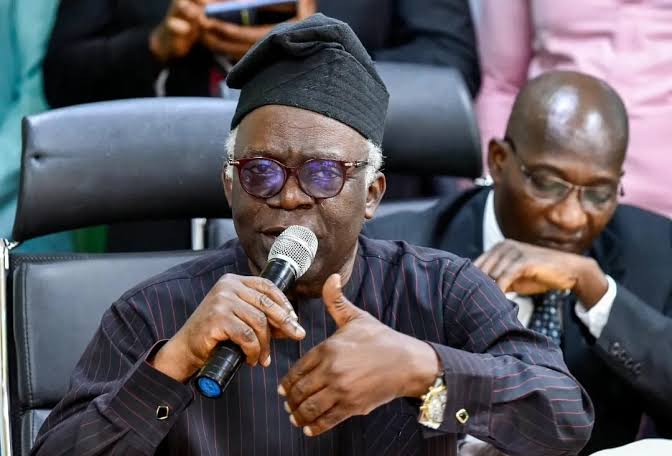
Falana Questions ₦15tn Coastal Highway Cost, Warns Against Voter Suppression
Human rights lawyer Femi Falana has questioned the estimated ₦15 trillion cost of the Lagos-Calabar Coastal Highway, demanding accountability over its funding and reported route changes, while urging political parties in Lagos to unite against electoral violence and voter suppression ahead of the 2027 elections.
 News
News
Ekiti Policemen Face Disciplinary Action Over Viral Extortion Video
Police officers captured in a viral video during an alleged extortion incident involving a motorcyclist in Ekiti State have been moved to the Force Headquarters in Abuja for disciplinary proceedings.
 News
News
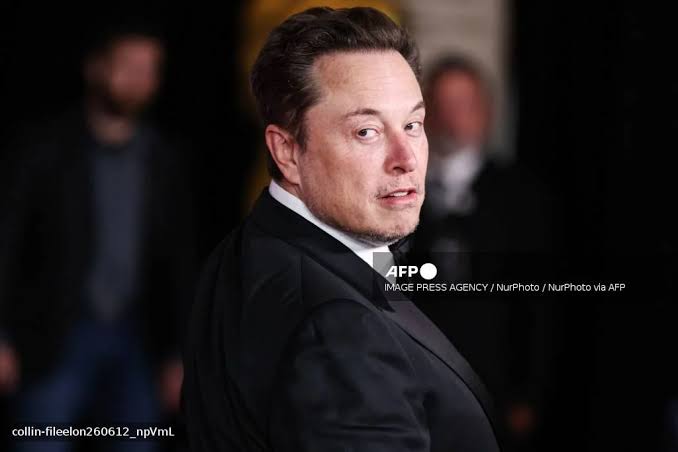
Musk Spends $276m Backing Republicans Ahead of US Midterm Elections
Billionaire Elon Musk has reportedly contributed $276 million to groups supporting Republican candidates ahead of the November 3 US midterm elections, bringing his total spending in the current election cycle to $366 million.
Comments (0)
Leave a comment
All comments are moderated before publishing. Your email is never published.