
Nigeria, Africa Chart New Path to Disease-Free, Profitable Livestock Industry
At the 9th All Africa Conference on Animal Agriculture in Abuja, Nigeria and other African countries called for stronger regional cooperation to tackle transboundary livestock diseases, outdated farming practices and fragmented value chains, aiming to build a modern, disease-free and profitable livestock sector.
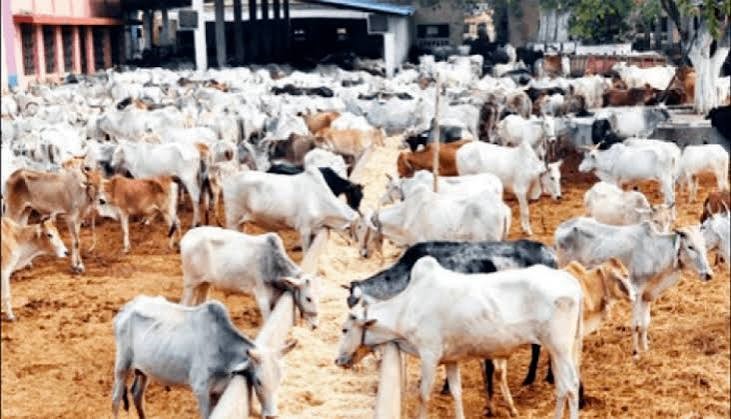
Nigeria and other African countries have renewed calls for stronger cooperation to tackle transboundary livestock diseases, outdated farming practices and fragmented value chains that are undermining the continent’s animal agriculture sector.
The appeal was made at the 9th All Africa Conference on Animal Agriculture 2026 in Abuja, where stakeholders warned that disease outbreaks, climate change, conflicts, poor infrastructure, weak animal health systems and low productivity were threatening food security and economic growth.
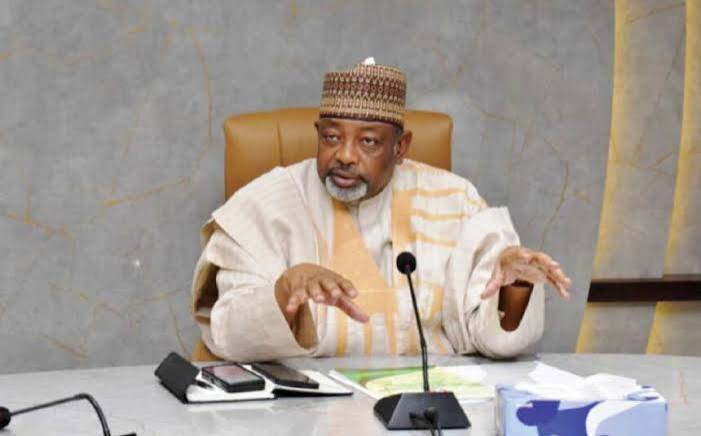
President Bola Tinubu, represented by the Secretary to the Government of the Federation, George Akume, said his administration was committed to transforming Nigeria’s livestock sector from a largely subsistence and cultural activity into a modern, technology-driven and commercially competitive industry.
He said the Federal Ministry of Livestock Development was implementing comprehensive reforms through the Nigerian Livestock Growth and Analysis Strategy, a national framework designed to unlock investment, improve productivity and modernise livestock value chains.
The strategy places emphasis on animal health, breeding and genetics, feed and fodder development, peacebuilding, livestock infrastructure, value addition, market access, youth and women empowerment, digital innovation, climate resilience and private-sector participation.
Tinubu said Nigeria was targeting more than doubling the livestock sector’s estimated $32 billion annual contribution to the national economy as part of efforts to make the country a leading hub for livestock production and processing in Africa.
He said the government was promoting ranching and modern livestock production systems to increase productivity while reducing conflicts associated with traditional open grazing and transhumance practices.
The president also said the government was strengthening animal breeding, genetics, veterinary services, feed production, disease surveillance and animal health systems while attracting investments into dairy, meat processing, leather, feed milling and livestock infrastructure.
He said Africa could not achieve sustainable livestock transformation in isolation, given the challenges posed by animal diseases, climate change, food insecurity, trade barriers and trans-border livestock movements.
Tinubu therefore called for stronger regional cooperation, harmonised standards, improved disease-control systems and greater integration of livestock value chains under the African Continental Free Trade Area (AfCFTA).
He assured participants that Nigeria was ready to work with African countries, development partners, research institutions and the private sector to build a livestock industry that is productive, sustainable, profitable and globally competitive.
Stakeholders at the conference said Africa could no longer afford to depend heavily on foreign countries for animal products despite its enormous livestock population and natural resources.
They called for greater implementation of continental agreements and policies aimed at improving livestock production, including measures to control transboundary animal diseases, strengthen veterinary services and expand commercial feed and fodder systems.
The conference also highlighted the need to address weak animal health systems, poor infrastructure, low productivity and limited access to finance, which continue to constrain the sector’s contribution to food security and economic development.
Experts noted that sustained collaboration between government, the private sector, development partners and farmers’ cooperatives would be crucial in achieving a more resilient and disease-free livestock sector in Nigeria and across Africa.
The push for a disease-free, profitable livestock industry aligns with ongoing efforts to establish livestock disease-free zones, improve biosecurity, strengthen traceability systems and meet international sanitary standards for trade.
If properly implemented, these reforms could position Nigeria and other African countries as serious players in regional and global red meat markets while simultaneously strengthening food safety, livestock productivity, zoonotic disease preparedness and investor confidence across the livestock value chain.
Sponsored
Related stories
 Agriculture
Babalola’s Farmer Support Hits N98m
Legal icon Aare Afe Babalola has disbursed N11.2 million to 81 outstanding farmers across Ekiti State's 16 local government areas, bringing total awards under his annual agricultural scheme since 2015 to N98 million.
 Agriculture
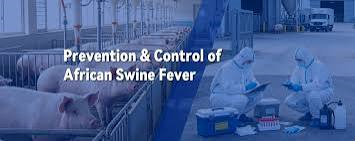
FG Launches African Swine Fever Control Campaign in Southwest
The Federal Government has launched a major African Swine Fever control and biosecurity campaign at the Oke-Aro Pig Farm Estate, distributing protective kits to farmers and pledging comprehensive training to prevent future outbreaks. The intervention by the Livestock Productivity and Resilience Support Project (L-PRES) targets one of Nigeria's largest pig production clusters, which has suffered devastating losses from the highly contagious disease in the past.
 Agriculture
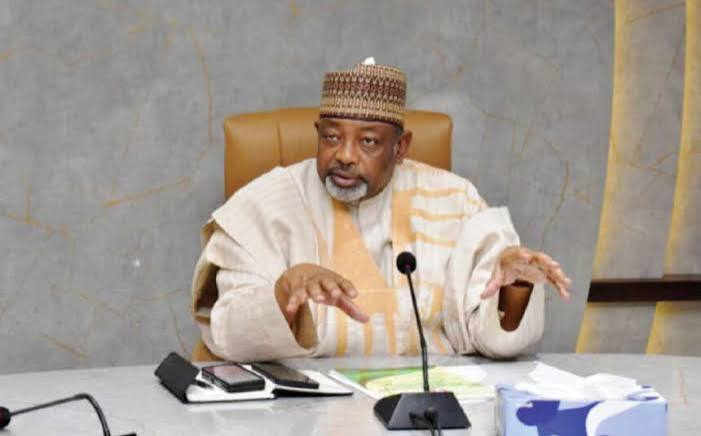
Kyari: More Farmland Won’t Feed 400 Million Nigerians
Agriculture Minister Abubakar Kyari says Nigeria must treat agricultural extension as critical infrastructure, disclosing that over 100,000 farmers already receive weekly digital advisories as the country's population heads toward 400 million by 2050.
 Agriculture
Farmland Expansion Alone Won’t Feed Nigeria
Agriculture Minister Abubakar Kyari says Nigeria must shift to demand-driven, AI-enabled agricultural extension services to boost farm yields, warning that expanding farmland alone can no longer feed the country's growing population.
Comments (0)
Leave a comment
All comments are moderated before publishing. Your email is never published.