
World Bank Warns Developing Countries to Embrace AI or Risk Being Left Behind
The World Bank has warned developing countries to embrace artificial intelligence or risk falling behind economically. It urged governments to invest in digital infrastructure, skills and AI adoption, saying the technology could significantly improve productivity and public services if properly harnessed.

The World Bank has urged developing countries, including Nigeria, to accelerate the adoption of artificial intelligence (AI) or risk falling further behind advanced economies. In its latest World Development Report, the global lender described AI as a "golden opportunity" capable of transforming productivity, public services and economic growth if governments put the right policies and infrastructure in place.
The report warned that countries that fail to embrace AI could widen existing development gaps, concentrate economic opportunities in a few nations and weaken competitiveness. According to the World Bank, developing economies should focus on adopting existing AI tools, adapting them to local needs and gradually building the capacity to develop more advanced technologies.
The bank noted that AI has the potential to improve sectors such as healthcare, agriculture, education and public administration, even in countries with limited digital infrastructure. Rather than replacing large numbers of workers, AI is expected to enhance productivity in many developing economies, where manual jobs remain more common than knowledge-based roles.
World Bank experts also advised governments to prioritise investments in digital infrastructure, skills development, data governance and supportive institutions instead of attempting to compete directly with leading AI powers in developing frontier models. They stressed that adapting affordable AI solutions to local conditions would deliver greater long-term benefits than pursuing costly "AI sovereignty" projects.
The World Bank maintained that with the right policies, AI could significantly boost productivity and economic growth across developing countries. It urged policymakers to act quickly, warning that the current window of opportunity may not remain open for long as AI continues to reshape the global economy.
Sponsored

Related stories
 News
Shoprite Set To Open Neighbourhood Stores After Shutdown
Shoprite Nigeria plans to open standalone neighbourhood stores after reopening three outlets, as investors pursue a strategy to cut costs and revive operations.
 News
Blaming Opposition For Hunger Is ‘Delusion’ — Atiku Tells Tinubu
Atiku Abubakar has accused President Tinubu of evading responsibility for Nigeria’s economic hardship after blaming opposition politicians for hunger and poverty.
 News
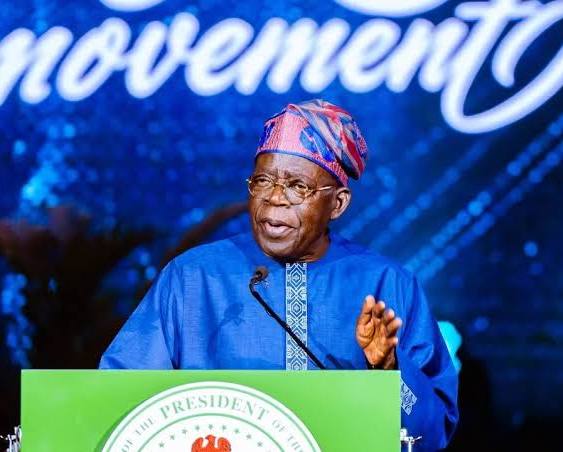
Tinubu Accuses Opposition of Creating Hunger, Poverty
President Bola Tinubu has accused opposition parties of creating the hunger and poverty they now criticise his administration over, insisting that his government is working to eradicate hardship and deliver economic prosperity.
 News
UNICEF, Sokoto Target One Million Children for Polio Vaccination
UNICEF and the Sokoto State Government are intensifying efforts to protect children against polio through vaccination, community mobilisation and public awareness, with emphasis on reaching every eligible child and addressing vaccine hesitancy.
Comments (0)
Leave a comment
All comments are moderated before publishing. Your email is never published.