
Shoprite Set To Open Neighbourhood Stores After Shutdown
Shoprite Nigeria plans to open standalone neighbourhood stores after reopening three outlets, as investors pursue a strategy to cut costs and revive operations.
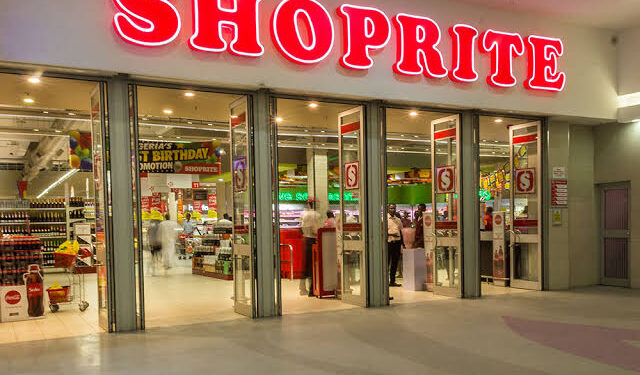
Shoprite Nigeria is planning to open standalone neighbourhood supermarkets as part of efforts to revive its business following financial difficulties that forced the retailer to restructure its operations.
Adekunle Adebiyi, Executive Director of Investments at MBO Capital Management Limited, an investor in the business, disclosed the plan during an interview on Nairametrics’ Drinks and Mics programme.
Adebiyi said the company had temporarily shut down operations to negotiate with suppliers and address outstanding financial obligations. He disclosed that three outlets had since reopened.
“We took a very, very drastic decision to just shut everything down whilst we negotiated with suppliers. Now three stores are back open,” he said.
According to him, the retailer intends to expand through smaller, standalone neighbourhood stores rather than relying primarily on large supermarkets located inside shopping malls.
“We’re going to be opening standalone neighbourhood stores, which was always the plan,” Adebiyi said.
The proposed strategy is designed to reduce operating expenses and allow the company to concentrate its resources on supermarket operations instead of committing substantial capital to property development.
Adebiyi explained that supermarkets generally lease commercial premises and invest in operational equipment, including shelves and refrigeration systems. However, he said this business model had created challenges when seeking conventional bank financing in Nigeria, where lenders often require tangible assets as collateral.
He disclosed that MBO Capital encountered difficulties securing bank financing during the acquisition of Shoprite Nigeria because the business had limited physical assets that banks could use to secure loans.
Foreign exchange volatility also contributed to the retailer’s financial challenges. Adebiyi said approximately 17 of its 28 stores had rental agreements denominated in US dollars when the acquisition took place.
The depreciation of the naira subsequently increased rental expenses, putting additional pressure on the company’s finances. He noted that rent should ordinarily account for between eight and 10 per cent of a supermarket’s revenue, although some Shoprite locations faced substantially higher costs.
Other challenges included inventory management weaknesses and the loss of access to the enterprise resource planning system previously provided by its former parent company. Replacing the system required billions of naira in additional investment, according to Adebiyi.
Shoprite Holdings, the South African retailer that introduced the brand to Nigeria, exited direct ownership of the Nigerian business in 2021. A consortium led by Persianas Investment Limited subsequently acquired the local operations, which continued under Retail Supermarkets Nigeria Limited through a franchise arrangement.
In March 2026, the company said it was implementing a phased restructuring programme rather than exiting Nigeria.
However, the latest neighbourhood-store expansion plan has no publicly announced opening timetable, confirmed locations or specified number of outlets.
The proposed shift marks an effort to adapt Shoprite’s Nigerian operations to rising costs and difficult business conditions while bringing its stores closer to residential communities.
Sponsored

Related stories
 News
Nigeria, South Korea Seek Stronger Trade, Technology Partnerships
Nigeria and South Korea are seeking stronger trade, investment and technology partnerships to boost manufacturing, create jobs and accelerate economic growth.
 News
FG Eyes 50% Reduction In Malaria Deaths By 2030
Nigeria’s Federal Government targets a 50 per cent reduction in malaria deaths by 2030 through prevention, diagnosis, treatment and improved healthcare access.
 News
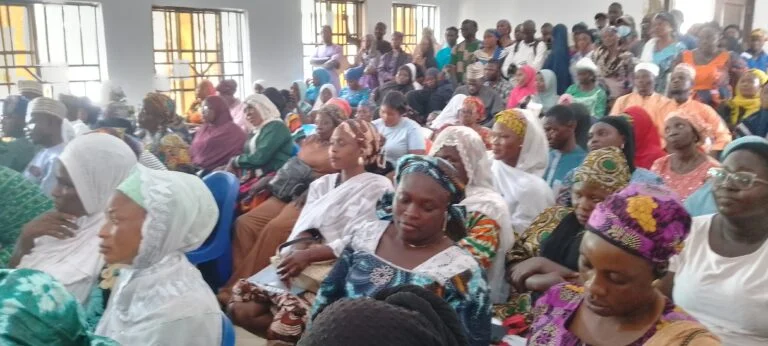
1,220 Sacked Kwara Teachers Beg Governor For Reinstatement
About 1,220 disengaged Kwara teachers have appealed to Governor AbdulRahman AbdulRazaq to reconsider their cases and restore their jobs.
 News
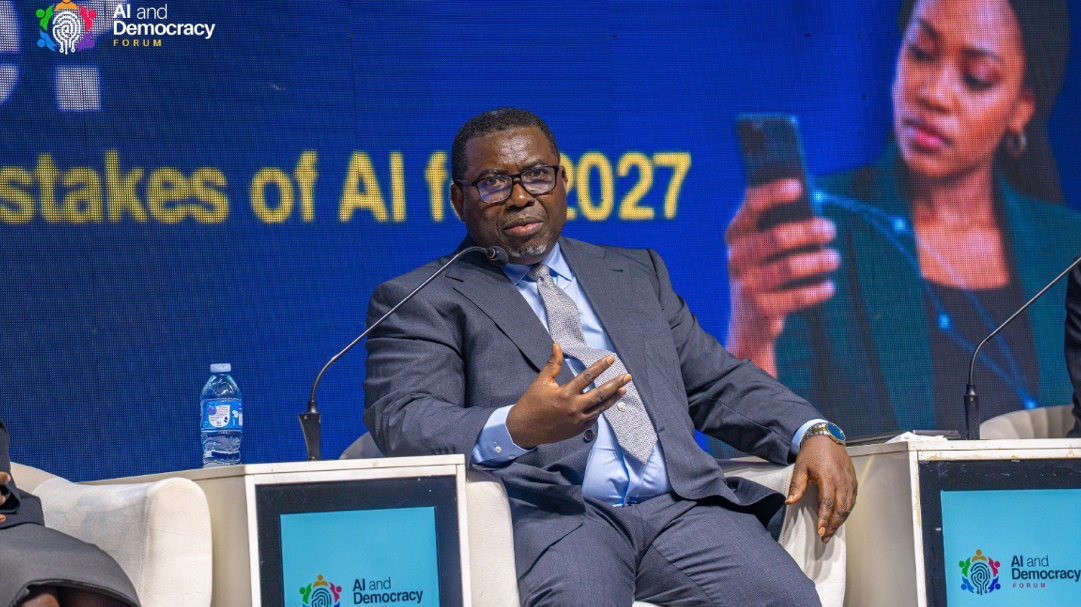
Nigerians Will Decide Outcome Of 2027 Elections, Not Algorithms — Amupitan
INEC Chairman Joash Amupitan says Nigerians will determine the 2027 election results, while artificial intelligence supports logistics and electoral integrity.
Comments (0)
Leave a comment
All comments are moderated before publishing. Your email is never published.