
UNICEF, Sokoto Target One Million Children for Polio Vaccination
UNICEF and the Sokoto State Government are intensifying efforts to protect children against polio through vaccination, community mobilisation and public awareness, with emphasis on reaching every eligible child and addressing vaccine hesitancy.
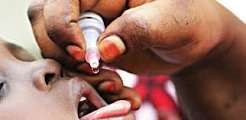
The United Nations Children’s Fund (UNICEF), in collaboration with the Sokoto State Government, is strengthening efforts to ensure eligible children receive polio vaccinations as part of ongoing measures to prevent the spread of the disease.
The initiative focuses on reaching children under five, improving immunisation coverage and encouraging parents and caregivers to cooperate with vaccination teams during campaigns.
Health authorities and development partners have continued to mobilise community leaders, journalists, social media influencers and other stakeholders to raise awareness about the importance of immunisation and address misconceptions surrounding vaccines.
UNICEF has stressed that repeated doses of the oral polio vaccine are essential to strengthening children’s immunity, while warning that missed vaccinations leave children and communities vulnerable to infection.
The organisation has also urged media practitioners to disseminate accurate information, counter rumours and encourage parents to present their children for vaccination.
Previous campaigns in Sokoto have relied on house-to-house visits, fixed vaccination posts and mobile teams to reach children across the state’s 23 local government areas, including remote settlements and communities facing access challenges.
During a March 2026 campaign, the state government targeted approximately 1.2 million children, deploying vaccination teams across all 244 wards. A separate campaign announced in April by UNICEF and the state government targeted more than 1.5 million children, with thousands of trained personnel mobilised for the exercise.
The vaccination drives form part of broader efforts to prevent outbreaks of circulating variant poliovirus type 2. Although Nigeria was certified free of wild poliovirus in 2020, health authorities continue immunisation campaigns to prevent vaccine-derived poliovirus transmission.
UNICEF and its partners have urged traditional rulers, religious leaders and community representatives to support vaccination teams and help resolve cases of vaccine refusal.
They maintain that sustained public participation, reliable vaccine delivery and effective community engagement are critical to protecting children from polio and preventing avoidable disability.
Sponsored

Related stories
 News
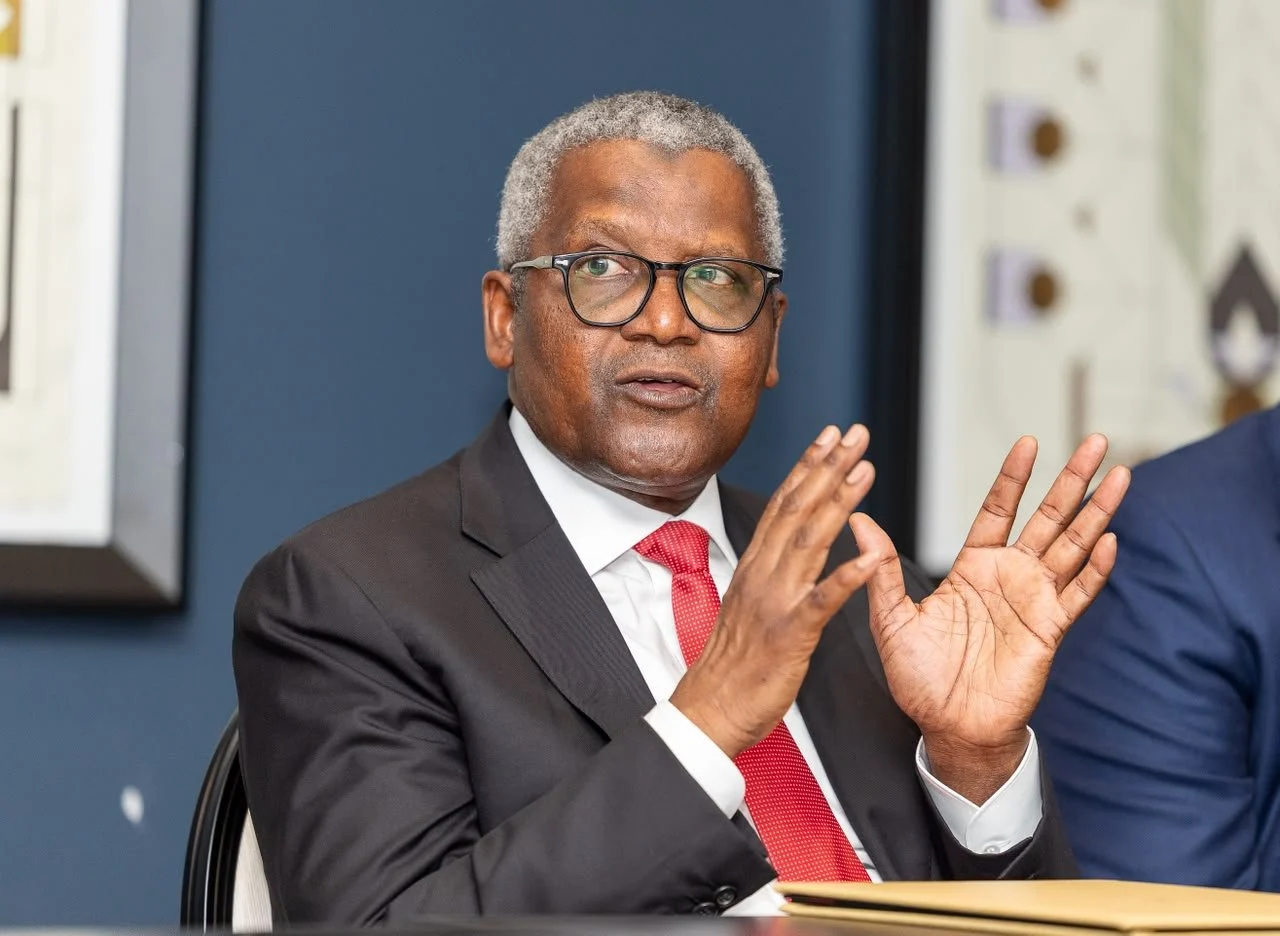
Dangote Eyes 500,000-Tonne Cocoa Deal in Ghana
Nigerian billionaire Aliko Dangote is in talks with Ghana to process 500,000 metric tonnes of cocoa locally under a proposed agreement aimed at expanding value addition.
 News
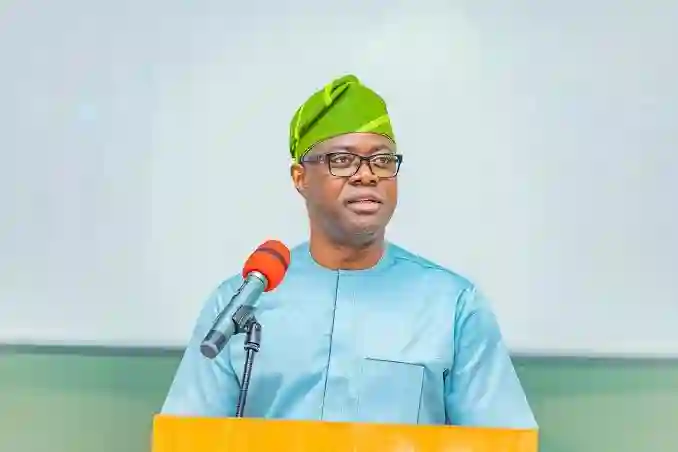
Oyo Begins Verification for Circular Road Compensation
Oyo State Government will begin verifying property owners affected by the second segment of the Ibadan Circular Road ahead of compensation payments.
 News
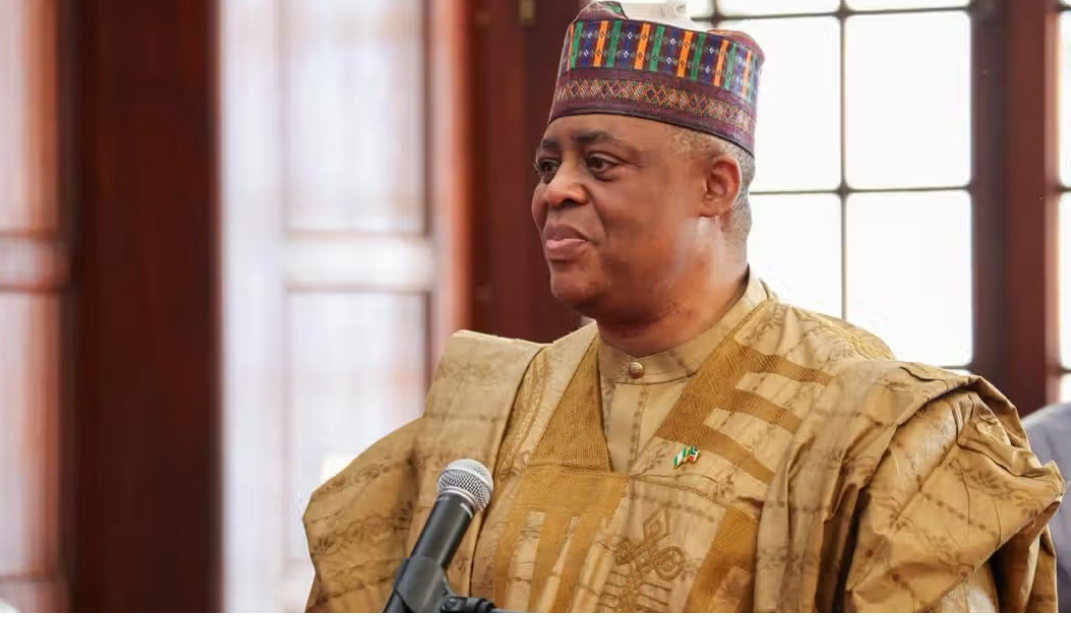
Fani-Kayode Accuses South African Presidency of Excluding His Speech from Letters of Credence Livestream
Nigeria’s High Commissioner to South Africa, Femi Fani-Kayode, has protested the omission of his speech from a presidential livestream, alleging deliberate exclusion.
 News
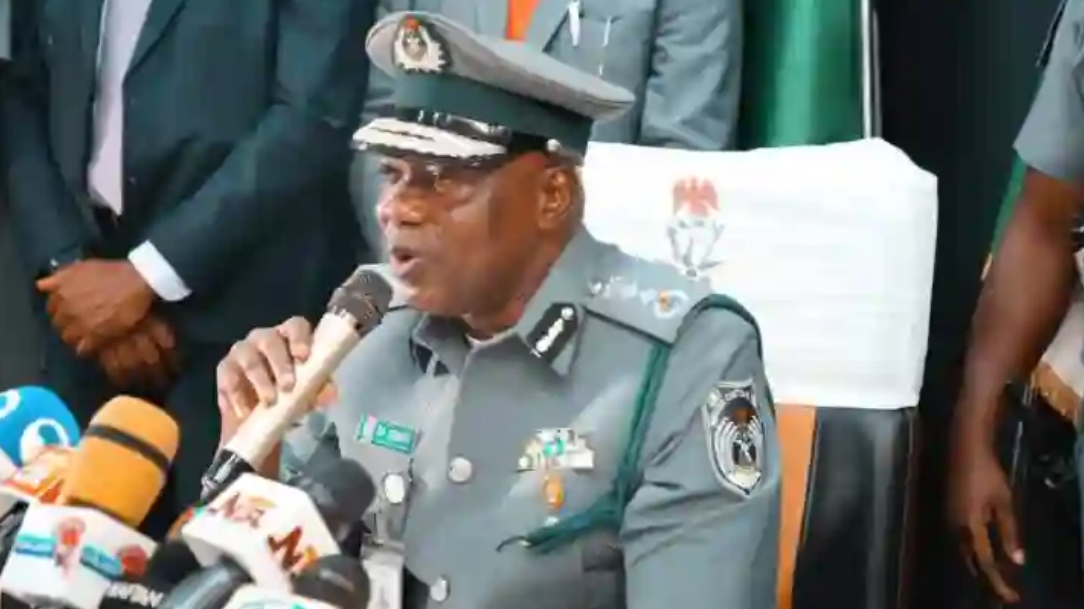
FCC Files Charges Against Customs CG Over Failure to Provide 2025/2026 Recruitment Information
The Federal Character Commission has filed criminal charges against Customs and its Comptroller-General over alleged breaches of recruitment monitoring and disclosure requirements.
Comments (0)
Leave a comment
All comments are moderated before publishing. Your email is never published.