
Women Optometrists Restore Hope With Free Eye Care Outreach in Abuja
Women Optometrists in Nigeria have provided free eye examinations, prescription glasses, medicines and referrals to hundreds of children and adults in Abuja as part of a national eye-care outreach
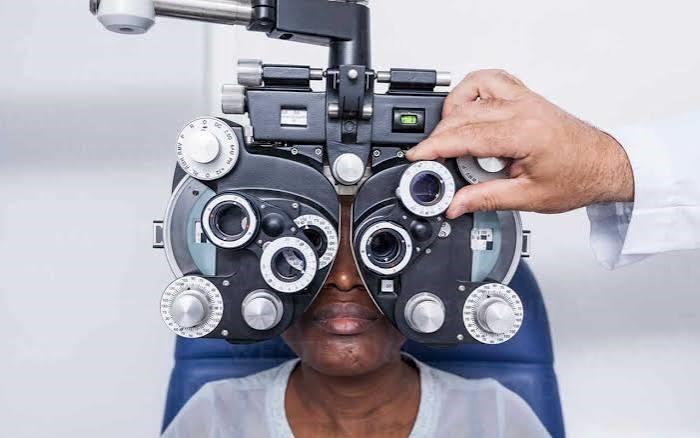
Women Optometrists in Nigeria, through its Federal Capital Territory chapter, have provided free eye-care services to hundreds of children and residents during a medical outreach in Abuja.
The programme was held at the Abuja Children Home in Karu as part of activities marking the 49th Nigerian Optometric Association Annual Scientific Conference, Vision Expo 2026 and the Annual General Meeting of the African Council of Optometry.
The outreach brought together volunteer optometrists, healthcare professionals, partners and supporters who provided comprehensive eye examinations, vision screening, patient counselling, prescription glasses, medicines and referrals for specialised care.
Organisers said the programme was designed to improve access to eye care for people who might otherwise be unable to afford consultations, spectacles or treatment. Children living at the Abuja Children Home were among the main beneficiaries, while adults and other residents in the surrounding community also received screening.
During the exercise, optometrists examined children and adults for refractive errors and other possible vision problems. Refractive errors occur when the eye cannot focus light properly, resulting in short-sightedness, long-sightedness or blurred vision. They are often correctable with prescription glasses, but can interfere with learning, work and daily activities when left untreated.
Beneficiaries diagnosed with refractive errors received prescription glasses, while those who required medication were given treatment. Patients with conditions that needed further investigation or specialist management were referred to appropriate eye-care facilities.
The referral component was an important part of the outreach because screening alone cannot resolve serious eye conditions. Some patients may require specialist examination, surgery or long-term monitoring for conditions such as glaucoma, cataracts or ocular disease. Linking them to facilities helps ensure continuity of care beyond the outreach event.
For children, early detection of vision problems can have a major effect on education and development. A child who cannot see the board clearly, read textbooks or participate comfortably in classroom activities may be mistaken for being inattentive or academically weak. Providing glasses and treatment can therefore improve both health and learning outcomes.
The programme also helped raise awareness about the importance of regular eye examinations. Many people do not visit an optometrist until they experience severe pain, significant vision loss or another obvious problem. However, some eye diseases can develop gradually without noticeable symptoms, making routine screening important.
Women Optometrists in Nigeria said the outreach reflected the organisation’s commitment to inclusive and community-based eye care. By taking services directly to a children’s home and community setting, the group reduced some of the barriers associated with hospital visits, including cost, distance and lack of information.
The initiative also included support beyond clinical services. The organisation presented essential supplies to the Abuja Children Home to support the welfare of children living there. The donation complemented the medical intervention and showed that the programme was designed to address the needs of the children more broadly.
The outreach formed part of a wider effort by optometrists and health organisations to reduce avoidable visual impairment in Nigeria. Other eye-care initiatives in Abuja have provided free screening, medicines, glasses and surgery to indigent residents who would otherwise struggle to pay for treatment.
Such programmes are important because the cost of eye care can discourage many low-income families from seeking help. A pair of prescription glasses may be unaffordable for some households, while specialist services and surgery can impose an even heavier financial burden. Free outreach programmes provide immediate relief and also help identify people who need further assistance.
However, medical outreach cannot replace a strong routine eye-care system. Nigeria still needs more optometrists, ophthalmologists, technicians and equipped eye clinics, particularly in rural and underserved communities. Regular services are needed to ensure that patients can obtain follow-up care after receiving glasses or referrals.
Schools also have an important role to play. Routine vision screening in schools can identify children with undiagnosed problems before poor eyesight affects their education. Teachers and parents should be encouraged to watch for signs such as squinting, frequent headaches, sitting very close to books or difficulty reading from a distance.
Community education is equally important. Residents should avoid self-medication with unprescribed eye drops and should seek professional advice when they experience persistent redness, pain, discharge or changes in vision.
The Abuja outreach ended with expressions of gratitude from beneficiaries, community leaders and volunteers. Children at the home received eye-care services and relief materials, while residents were given advice on protecting their vision and seeking timely treatment.
For the organisers, the event demonstrated how professional associations, volunteers and partners can work together to bring essential healthcare closer to vulnerable people. If similar initiatives are sustained and linked to permanent eye-care services, they could help reduce avoidable blindness and improve the quality of life of thousands of Nigerians.
Sponsored
Related stories
 Health
Borno Hires 2,000 Health Workers, Still Faces Staff Shortage
Borno State has recruited nearly 2,000 doctors, nurses and other health professionals in two years, but the head of its contributory health agency says manpower gaps persist as demand grows under the state health insurance scheme.
 Health
Lassa Fever Kills 268 in Nigeria as Cases Hit 1,138
Nigeria has recorded 1,138 confirmed Lassa fever cases and 268 deaths across 24 states in 2026, with the case fatality rate rising to 23.6 per cent—significantly higher than the 18.6 per cent recorded during the same period in 2025. The NCDC has identified five states accounting for 88 per cent of all confirmed cases, as it intensifies preparedness efforts ahead of the peak transmission season.
 Health
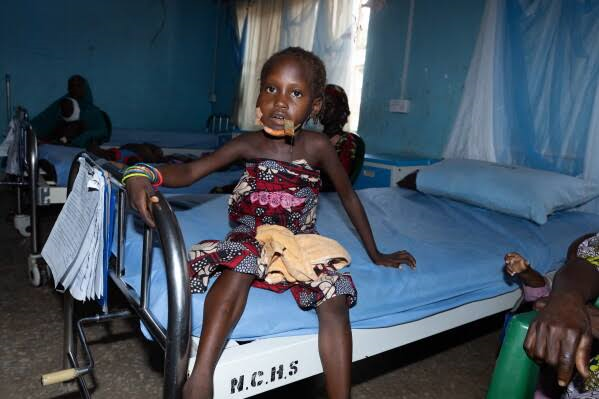
MSF Calls for Routine Noma Surveillance in Nigeria
Doctors Without Borders says noma, a fast-moving and often fatal facial infection linked to malnutrition and poverty, remains largely missing from Nigeria's routine child health programmes despite its 2023 recognition as a neglected tropical disease.
 Health
Oyo Rejects Diphtheria Outbreak Claims, Accuses APC
The Oyo State Government has dismissed claims by the Senator Sharafadeen Alli Campaign Organisation that diphtheria has affected 16 local government areas, describing the allegation as false and politically motivated. Commissioner for Health Dr. Oluwaserimi Ajetunmobi confirmed that while suspected cases have been recorded in 10 LGAs, none have been confirmed, and accused the APC campaign group of distorting immunisation data to score political points.
Comments (0)
Leave a comment
All comments are moderated before publishing. Your email is never published.