
Wike, Adeleke, Soludo’s Alliance With Tinubu Raises Opposition Concerns
The appointment of Nyesom Wike, Ademola Adeleke and Chukwuma Soludo to coordinate President Bola Tinubu’s 2027 re-election campaign has sparked discontent within the APC and raised concerns among opposition candidates about their prospects in legislative elections.

The inclusion of prominent opposition politicians in President Bola Tinubu’s 2027 re-election campaign council has triggered political tensions within the ruling All Progressives Congress (APC) and raised concerns among opposition parties about the possible effects on their candidates.
The expanded Presidential Campaign Council named Minister of the Federal Capital Territory, Nyesom Wike, Osun State Governor Ademola Adeleke and Anambra State Governor Chukwuma Soludo as coordinators for Rivers, Osun and Anambra states, respectively, with Wike also assigned responsibility for the FCT.
The appointments have drawn mixed reactions from political stakeholders, as the three figures belong to parties other than the APC. Wike is a member of the Peoples Democratic Party (PDP), Soludo belongs to the All Progressives Grand Alliance (APGA), while Adeleke secured his 2026 governorship victory in Osun on the platform of the Accord Party.
Some APC members have expressed dissatisfaction with the appointments, arguing that longstanding party loyalists have been overlooked in favour of politicians from rival parties. They warned that the decision could weaken grassroots mobilisation and reduce the enthusiasm of members expected to work for the President’s re-election.
In Osun, some APC stakeholders reportedly expressed displeasure over Adeleke’s appointment, while concerns were also raised among party leaders in Anambra and Rivers about the influence given to politicians outside the ruling party.
However, Segun Showunmi, a member of the campaign council’s media team, dismissed concerns that the appointments would undermine Tinubu’s re-election efforts. He said the coordinators and APC members at state, ward and local government levels were expected to work together to mobilise support for the President.
The arrangement has also generated debate within opposition parties, particularly over whether their leaders can support Tinubu for president while retaining support for their own candidates in National Assembly and state legislative elections.
In Anambra, some APGA stakeholders expressed concern that Soludo’s participation in Tinubu’s campaign could confuse voters and affect the party’s legislative candidates. However, APGA National Publicity Secretary, Mazi Ejimofor Opara, said the party’s support for Tinubu at the presidential level would not prevent it from fielding candidates for other positions.
The party maintained that it would continue to contest legislative seats while backing Tinubu’s re-election bid.
In Osun, Accord presidential candidate Gbenga Olawepo-Hashim questioned whether Adeleke’s political influence would automatically translate into votes for Tinubu. He argued that voters retained the freedom to make independent choices and warned against weakening the independence of political parties through cross-party alliances.
Some Accord leaders also expressed concern that the arrangement could affect the party’s plans to expand into other states. Others, however, defended cooperation at the presidential level, saying it did not necessarily require parties to abandon their interests in legislative elections.
Within the PDP, reactions have similarly varied. Some party figures warned that the alliances could create conflicting political loyalties, while others insisted that the party’s candidates would remain competitive in their respective constituencies.
Several PDP representatives argued that presidential and legislative elections involved separate ballots and that voters could support candidates from different parties in the same election cycle. Others maintained that the party should protect its identity and electoral interests rather than allow individual alliances to dictate its direction.
The controversy has revived comparisons with the 2003 general elections, when the Alliance for Democracy (AD) supported former President Olusegun Obasanjo’s re-election campaign. The party subsequently lost five of the six South-West states it had controlled, retaining Lagos State under then Governor Bola Tinubu.
Although the AD’s losses were linked to several factors, including internal divisions and disputes over the elections, the experience remains a reference point in debates about the risks opposition parties face when aligning with a rival party’s presidential candidate.
With the 2027 elections approaching, the latest appointments have highlighted the challenge of balancing cross-party presidential alliances with the ambitions of candidates seeking legislative and state-level offices. Political stakeholders remain divided over whether the arrangement will strengthen cooperation or deepen disagreements within the parties involved.
Sponsored

Related stories
 News
News
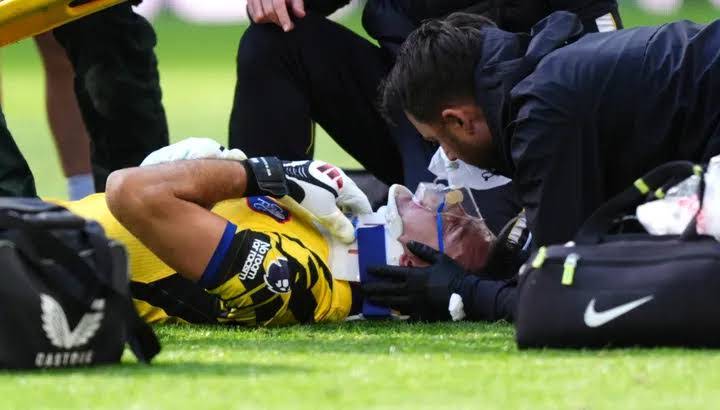
Chelsea Goalkeeper Martínez Targets Return Within Weeks After Surgery
Chelsea goalkeeper Emiliano Martínez has undergone successful surgery for a fractured jaw sustained in a collision with Everton defender Jarrad Branthwaite. The Argentine expects to return within weeks.
 News
News
Aiyedatiwa Renames Ondo Event Centre After Mimiko
Ondo State Governor Lucky Aiyedatiwa has renamed the International Centre for Culture and Events, popularly known as The Dome, in Akure after former Governor Olusegun Mimiko in recognition of his contribution to the state’s development.
 News
News
Jide Kosoko Reveals He Has Lived With Diabetes Since 1996
Veteran Nollywood actor Jide Kosoko has disclosed that he has been living with diabetes since 1996, saying his decades-long experience has helped him understand his health better. He also reflected on family losses, his acting career and the responsible use of social media.
 News
News
Pepsi’s Yellow Bottle Caps Spark Consumer Concerns Over Product Authenticity
Seven-Up Bottling Company has faced criticism after introducing yellow caps on Pepsi and other beverages without prior public notice, prompting consumers to question whether the products are genuine. The company has assured customers that the drinks retain their original contents and taste.
Comments (0)
Leave a comment
All comments are moderated before publishing. Your email is never published.