
WHO Says DR Congo’s Ebola Outbreak Is the Worst on Record
The World Health Organization says the current Ebola outbreak in the Democratic Republic of Congo has become the largest ever recorded in the country, with cases and deaths continuing to rise rapidly.
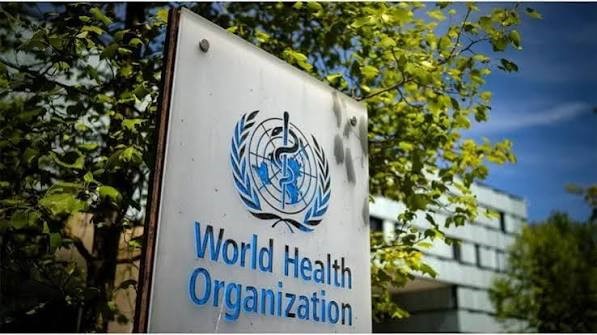
The World Health Organization has declared the Ebola outbreak in the Democratic Republic of Congo the worst on record in the country, warning that transmission is still intensifying and spreading into new areas. As of July 30, health authorities had recorded 3,605 confirmed cases and 1,587 deaths, with a fatality rate of about 44 per cent.
WHO said the outbreak is being driven by sustained transmission, rising deaths and expanding geographic spread. In its assessment, the current wave has surpassed every previous Ebola outbreak in the DRC in scale, making it the largest ever reported there. That is a grim milestone for a country that has faced repeated Ebola outbreaks over the decades, including the massive 2018 to 2020 epidemic that killed more than 2,000 people.
The virus at the centre of the outbreak is Bundibugyo virus disease, a form of Ebola for which no licensed vaccine or specific treatment currently exists. That complicates the response, because health teams are relying heavily on surveillance, isolation, contact tracing, community engagement and supportive care rather than a disease-specific cure.
The outbreak was declared a Public Health Emergency of International Concern in May 2026, underscoring its seriousness and the need for international coordination. WHO says the DRC’s 17th Ebola outbreak began in Ituri Province and quickly spread, with experts warning that many new infections were coming from unknown chains of transmission.
That detail is particularly alarming. When a large share of cases cannot be traced to a known source, it becomes harder for health workers to break transmission chains and isolate exposed people early. WHO officials have described the outbreak as “fastest-growing” and warned that response efforts are struggling to keep up with the pace of spread.
Earlier in July, the outbreak had already crossed the 2,000-case mark, with more than 700 deaths. By mid-July, WHO described it as the third-largest Ebola outbreak ever recorded, but the latest figures show it has now moved into first place within the country’s history.
The numbers are not just a statistical milestone; they reflect a deepening public health emergency. The 44 per cent fatality rate shows how lethal the disease remains even with modern surveillance and treatment support. In past outbreaks, conflict, weak health infrastructure and mistrust of authorities have complicated response efforts in eastern Congo, and those same challenges continue to shape the current crisis.
WHO and national authorities are still racing to contain the spread through vaccination where possible, isolation of confirmed patients and intensified community awareness. In Uganda, the outbreak has also had cross-border consequences, though no new cases were reported there by late July. [afro.who](https://www.afro.who.int/health-topics/ebola-disease/outbreak-drc-26)
The current situation is especially worrying because Bundibugyo virus disease lacks the level of medical countermeasures available for some other infectious threats. WHO says work is ongoing to test promising vaccine and treatment candidates, but for now, response teams must rely on traditional outbreak control tools. [afro.who](https://www.afro.who.int/health-topics/ebola-disease/outbreak-drc-26)
The outbreak’s scale also highlights how quickly Ebola can overwhelm a fragile health system when early containment fails. In the space of just weeks, the DRC has gone from facing a serious regional outbreak to confronting the largest Ebola crisis ever documented in its borders.
For the global health community, the warning is clear: continued vigilance, funding and operational support are essential. For affected communities in the DRC, the priority remains simple but urgent — stop transmission, protect health workers, trace contacts and keep people informed before the virus spreads even further
Sponsored
Related stories
 Health
Borno Hires 2,000 Health Workers, Still Faces Staff Shortage
Borno State has recruited nearly 2,000 doctors, nurses and other health professionals in two years, but the head of its contributory health agency says manpower gaps persist as demand grows under the state health insurance scheme.
 Health
Lassa Fever Kills 268 in Nigeria as Cases Hit 1,138
Nigeria has recorded 1,138 confirmed Lassa fever cases and 268 deaths across 24 states in 2026, with the case fatality rate rising to 23.6 per cent—significantly higher than the 18.6 per cent recorded during the same period in 2025. The NCDC has identified five states accounting for 88 per cent of all confirmed cases, as it intensifies preparedness efforts ahead of the peak transmission season.
 Health
MSF Calls for Routine Noma Surveillance in Nigeria
Doctors Without Borders says noma, a fast-moving and often fatal facial infection linked to malnutrition and poverty, remains largely missing from Nigeria's routine child health programmes despite its 2023 recognition as a neglected tropical disease.
 Health
Oyo Rejects Diphtheria Outbreak Claims, Accuses APC
The Oyo State Government has dismissed claims by the Senator Sharafadeen Alli Campaign Organisation that diphtheria has affected 16 local government areas, describing the allegation as false and politically motivated. Commissioner for Health Dr. Oluwaserimi Ajetunmobi confirmed that while suspected cases have been recorded in 10 LGAs, none have been confirmed, and accused the APC campaign group of distorting immunisation data to score political points.
Comments (0)
Leave a comment
All comments are moderated before publishing. Your email is never published.