
WHO: COVID Lessons Fading as Pandemic Risks Persist
The World Health Organisation has warned that continued action and investment are needed to sustain progress and better prepare the world to respond to future pandemic threats. At the second UN General Assembly High-Level Meeting on Pandemic Prevention, Preparedness and Response in New York, WHO Director-General Dr Tedros Adhanom Ghebreyesus said the political commitment shown by world leaders must translate into concrete, measurable action as negotiations on a critical pathogen-sharing annex re
The World Health Organisation has warned that continued action and investment are needed to sustain progress and better prepare the world to respond to future pandemic threats, as political leaders gathered at the United Nations General Assembly renewed their commitment to making the world safer from future pandemics.
WHO Director-General, Dr Tedros Adhanom Ghebreyesus, gave the warning on Friday at the second United Nations General Assembly High-Level Meeting on Pandemic Prevention, Preparedness and Response in New York, which brought together political leaders who stressed the need for sustained and more equitable investment and action on pandemic prevention, preparedness and response. The meeting followed the first High-Level Meeting in 2023, which was held in response to challenges posed by the COVID-19 pandemic and gaps in global health security.
Tedros said the COVID-19 pandemic was linked to more than 20 million excess deaths between 2020 and 2023 and wiped more than $10 trillion from the global economy. "The COVID-19 pandemic exposed and exacerbated the fault lines of global health security, and taught the world many painful lessons," he said. "The political commitment shown today reflects those lessons, and includes important commitments to concrete, measurable and urgent action to build and strengthen local and national capacities, to invest in resilient health systems, and to expand equitable access to products, tools and resources."
The WHO said countries recognised progress made over the past three years to strengthen global systems for detecting, preparing for and responding to pandemic threats. It said such progress included the adoption of the WHO Pandemic Agreement and amendments to the International Health Regulations (2005), as well as the expansion of capacities and infrastructure for pandemic prevention, preparedness and response. The organisation said global centres dedicated to epidemic and pandemic surveillance, sharing of pathogens, and local manufacturing of vaccines, treatments and diagnostics had also been established.
However, countries stressed the need to finalise negotiations on an annex to the WHO Pandemic Agreement establishing the Pathogen Access and Benefit-Sharing system. The system is intended to facilitate the timely sharing of pathogens with pandemic potential and benefits arising from their use, enabling research and development as well as timely and equitable access to vaccines, medicines, diagnostics and other health products. Adoption of the annex at the next World Health Assembly in May 2027 would be necessary for member states to begin national consideration to ratify the Pandemic Agreement.
Speaking on behalf of UN Secretary-General António Guterres, UN Deputy Secretary-General Amina Mohammed urged member states to accelerate the negotiations. "The Pathogen Access and Benefit Sharing System, under negotiation, is critical to unlocking the full potential of the WHO Pandemic Agreement. There is no time to waste," Mohammed said. "I call on Member States to accelerate these actions. Let's get it done. Let's deliver the Pandemic Agreement the world is waiting for."
In his opening remarks, the President of the 81st UN General Assembly, Dr Khalilur Rahman, said international cooperation was essential to protecting the world from future pandemics through equitable and timely access to vaccines, diagnostics, therapeutics and other essential medical supplies. He also called for stronger health systems and efforts to close persistent financing gaps. "We have the knowledge, we have the tools, we have the science and expertise, and we have the hard lessons of COVID-19," Rahman told the meeting. "Let us use them for ourselves, our families and our loved ones. And also in memory of those we lost and in recognition of all those who suffered, needlessly."
The President of the UN Economic and Social Council, Ambassador Amar Bendjama, said pandemic prevention, preparedness and response were crucial to advancing the 2030 Agenda and progress across the Sustainable Development Goals.
The declaration underscored that national health security can only be achieved with global solidarity, and that international cooperation is essential for protecting communities and countries from cross-border threats. Recognising that preventing pandemics begins long before an outbreak, the declaration highlighted the importance of a One Health approach that addresses the connections between human, animal and environmental health.
As the world continues to grapple with the aftermath of COVID-19 and the looming threat of future pandemics, the message from the UN meeting is clear: the political commitment demonstrated by world leaders must be matched by sustained investment and concrete action. The tools and knowledge exist, but the window to act is narrowing. For millions who lost loved ones to the pandemic, and for generations yet to come, the stakes could not be higher.
Sponsored
Related stories
 Health
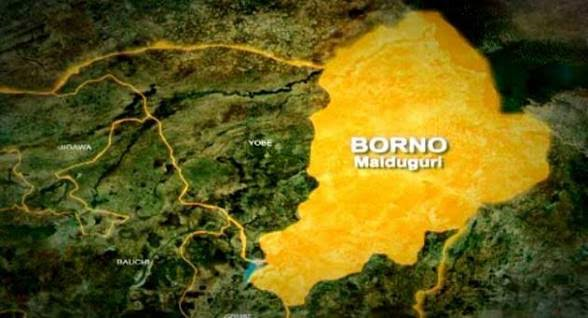
Borno Hires 2,000 Health Workers, Still Faces Staff Shortage
Borno State has recruited nearly 2,000 doctors, nurses and other health professionals in two years, but the head of its contributory health agency says manpower gaps persist as demand grows under the state health insurance scheme.
 Health
Lassa Fever Kills 268 in Nigeria as Cases Hit 1,138
Nigeria has recorded 1,138 confirmed Lassa fever cases and 268 deaths across 24 states in 2026, with the case fatality rate rising to 23.6 per cent—significantly higher than the 18.6 per cent recorded during the same period in 2025. The NCDC has identified five states accounting for 88 per cent of all confirmed cases, as it intensifies preparedness efforts ahead of the peak transmission season.
 Health
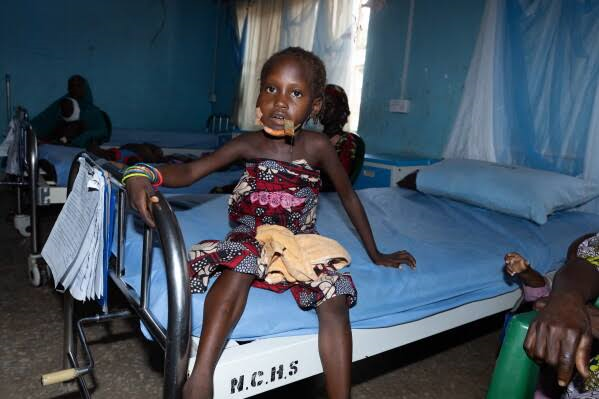
MSF Calls for Routine Noma Surveillance in Nigeria
Doctors Without Borders says noma, a fast-moving and often fatal facial infection linked to malnutrition and poverty, remains largely missing from Nigeria's routine child health programmes despite its 2023 recognition as a neglected tropical disease.
 Health
Oyo Rejects Diphtheria Outbreak Claims, Accuses APC
The Oyo State Government has dismissed claims by the Senator Sharafadeen Alli Campaign Organisation that diphtheria has affected 16 local government areas, describing the allegation as false and politically motivated. Commissioner for Health Dr. Oluwaserimi Ajetunmobi confirmed that while suspected cases have been recorded in 10 LGAs, none have been confirmed, and accused the APC campaign group of distorting immunisation data to score political points.
Comments (0)
Leave a comment
All comments are moderated before publishing. Your email is never published.