
US Warns Nigerians Against AI-Edited Passport Photos for Visa Applications
US Mission warns Nigerians that AI-edited passport photos will delay visa applications and fail official verification requirements.
The United States Mission in Nigeria has warned visa applicants against using artificial intelligence or digitally altered passport photographs, saying such images will not be accepted during the visa application process.
The advisory was issued in a statement published on the mission’s official X handle on Saturday, where applicants were reminded that passport photographs must accurately reflect their current appearance and comply with official requirements.
According to the mission, applicants should submit recent passport photographs taken within the last six months, stressing that the images must closely resemble the applicant to enable proper identity verification.
It cautioned that photographs enhanced with artificial intelligence, beauty filters or other digital editing tools could result in delays in processing visa applications.
“Do NOT use AI or digital editing tools on your passport photo. We will not accept photos that are edited or filtered,” the mission stated.
“Your photo should be recent (taken within the past six months) and look like you. Submitting a digitally enhanced photo will significantly delay your application.”
The statement was accompanied by an information flier emphasising that the US Department of State does not accept passport photographs that have been digitally manipulated or altered.
The mission urged applicants to carefully review the official passport photo guidelines before submitting their applications and directed them to the US Department of State’s website for detailed requirements.
According to the advisory, complying with the photo specifications will help applicants avoid unnecessary delays and ensure smoother processing of visa requests.
The warning comes amid increasing global concerns over the use of artificial intelligence to alter official identity documents and photographs.
Authorities have expressed concerns that AI-generated enhancements, facial filters and image-editing software could interfere with biometric verification systems used by immigration and border security agencies.
Facial recognition technology is widely used by US authorities, including airport security personnel and border officers, to verify the identities of travellers against the photographs submitted during visa applications.
The US Mission reiterated that applicants are responsible for ensuring that all submitted documents, including passport photographs, meet the required standards.
It advised intending travellers to avoid any form of digital enhancement that could distort facial features or affect the authenticity of their photographs, noting that compliance with the official requirements would help prevent avoidable processing delays and improve the efficiency of visa application procedures.
Sponsored

Related stories
 News
Shoprite Set To Open Neighbourhood Stores After Shutdown
Shoprite Nigeria plans to open standalone neighbourhood stores after reopening three outlets, as investors pursue a strategy to cut costs and revive operations.
 News
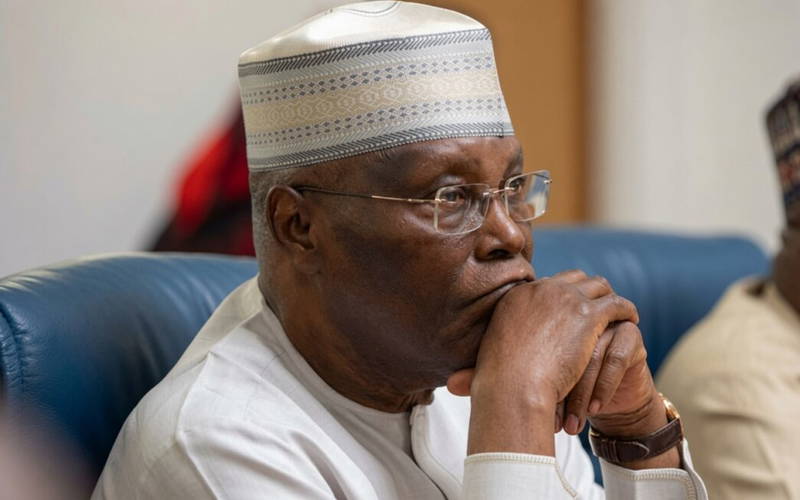
Blaming Opposition For Hunger Is ‘Delusion’ — Atiku Tells Tinubu
Atiku Abubakar has accused President Tinubu of evading responsibility for Nigeria’s economic hardship after blaming opposition politicians for hunger and poverty.
 News
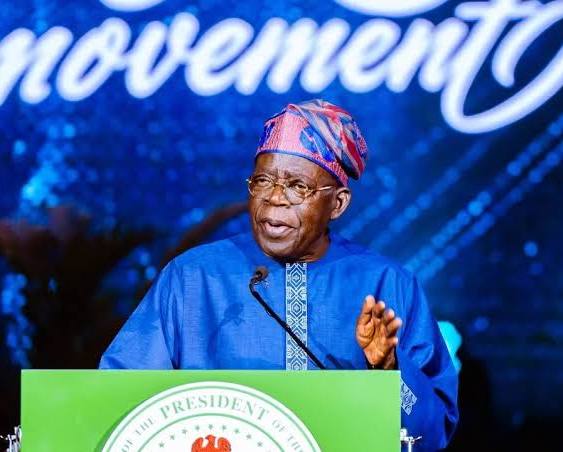
Tinubu Accuses Opposition of Creating Hunger, Poverty
President Bola Tinubu has accused opposition parties of creating the hunger and poverty they now criticise his administration over, insisting that his government is working to eradicate hardship and deliver economic prosperity.
 News
UNICEF, Sokoto Target One Million Children for Polio Vaccination
UNICEF and the Sokoto State Government are intensifying efforts to protect children against polio through vaccination, community mobilisation and public awareness, with emphasis on reaching every eligible child and addressing vaccine hesitancy.
Comments (0)
Leave a comment
All comments are moderated before publishing. Your email is never published.