
UN Security Council: Tinubu Demands Two Permanent Seats, Veto Powers for Africa
Tinubu demands two permanent African seats with veto powers, alongside five non-permanent seats on the UN Security Council.
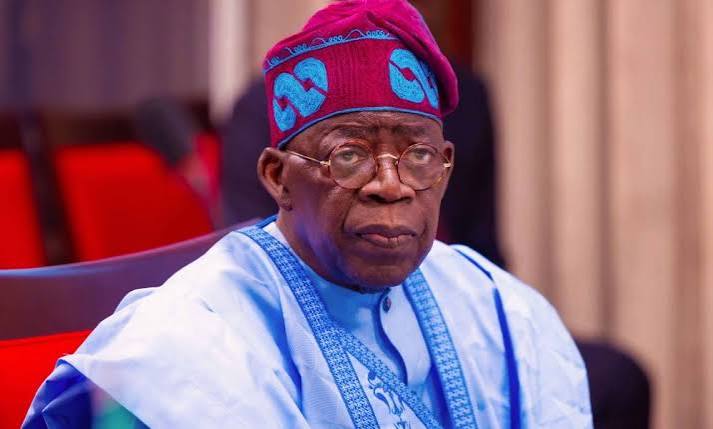
President Bola Tinubu has demanded at least two permanent seats for Africa on the United Nations Security Council, with veto powers for as long as the privilege exists.
Tinubu made the demand in his address to the General Debate of the 81st United Nations General Assembly in New York. The address was delivered on his behalf by Vice President Kashim Shettima.
Nigeria also called for five non-permanent seats for Africa as part of proposed reforms to the composition of the Security Council.
Tinubu argued that the current structure of the council no longer reflects the distribution of global power, noting that the world of 2026 should not remain tied to the geopolitical realities of 1945.
He said Africa could no longer continue to contribute to the council’s agenda while remaining without permanent representation.
Nigeria’s position is based on the Ezulwini Consensus and the Sirte Declaration, which form the basis of the African Union’s common position on Security Council reform.
Under the proposed arrangement, Africa would have at least two permanent seats with the rights and responsibilities attached to permanent membership, including veto powers for as long as the veto remains part of the council’s structure.
The current Security Council has 15 members, comprising five permanent members and 10 non-permanent members. China, France, Russia, the United Kingdom and the United States currently hold the permanent seats and veto powers.
Africa currently has no permanent seat on the council, despite the continent’s extensive involvement in issues frequently considered by the body, including conflicts, peacekeeping, humanitarian crises and international security.
Tinubu said Nigeria was prepared to take on greater responsibility in international peace and security, pointing to the country’s contributions to peacekeeping and mediation efforts in Liberia, Sierra Leone, Darfur, Mali and The Gambia.
He also highlighted Nigeria’s role through the Economic Community of West African States, African Union and Gulf of Guinea partnerships in areas including mediation, democratic governance, counter-terrorism and maritime security.
The President linked Security Council reform to broader efforts to restore confidence in multilateral institutions and strengthen international cooperation.
He said institutions with the authority to act on behalf of humanity must adequately represent the people and regions affected by their decisions.
The call comes amid renewed international discussions on reforming the Security Council and expanding permanent representation to reflect contemporary geopolitical realities.
Tinubu also urged greater cooperation among nations, saying diplomacy, dialogue and collective responsibility remained essential to addressing conflicts and maintaining international peace.
Sponsored

Related stories
 News
News
EU Backs FG’s Broadband Expansion with €14m Grant
The European Union and EBRD are supporting Nigeria’s planned 90,000-kilometre fibre-optic network to expand affordable broadband access nationwide.
 News
News
Tinubu Seeks Senate Nod to Replace ASCON With National School of Government
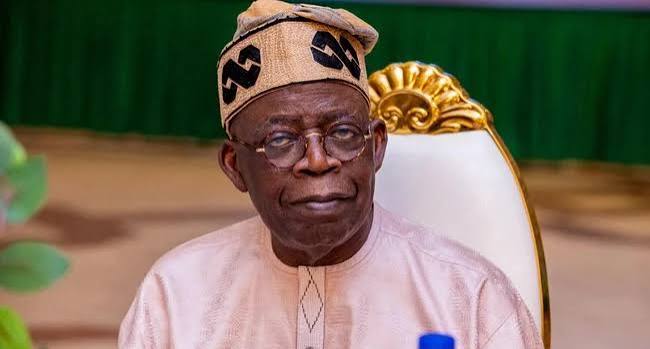
President Bola Tinubu has asked the Senate to approve a bill seeking to repeal the law establishing the Administrative Staff College of Nigeria and replace it with a National School of Government focused on leadership development and public-sector capacity building.
 News
News
Adeleke Dances With Tinubu at APC Campaign Council Inauguration
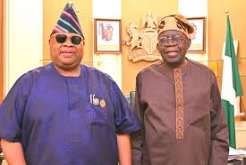
Osun State Governor Ademola Adeleke joined President Bola Tinubu at the inauguration of the APC’s 2027 Presidential Campaign Council in Abuja, drawing attention to their political collaboration ahead of the general election.
 News
News
Tinubu Seeks Repeal of Indian Hemp Act in Drug Law Overhaul
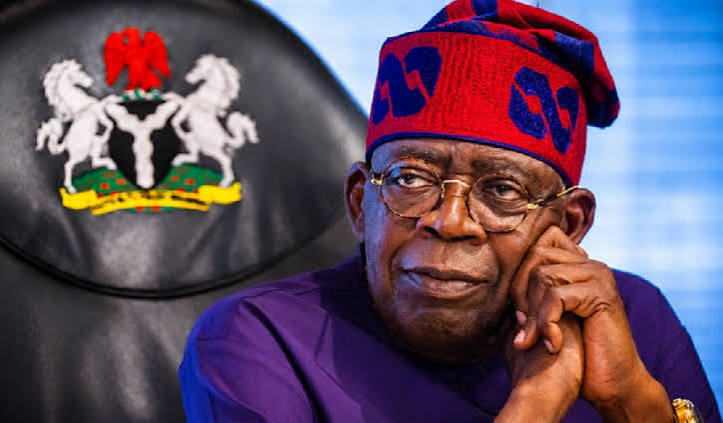
President Bola Tinubu has asked the Senate to repeal the Indian Hemp Act as part of a proposed overhaul of Nigeria’s drug enforcement laws, aimed at consolidating the legal framework for combating illicit drugs.
Comments (0)
Leave a comment
All comments are moderated before publishing. Your email is never published.