
Uber Exit: Nigeria Now ‘Graveyard Of Businesses’ — ADC
ADC says Uber’s exit reflects Nigeria’s worsening business climate and growing pressures on companies nationwide.

The African Democratic Congress, ADC, has described Uber’s exit from Nigeria as fresh evidence that the country is becoming a “graveyard of businesses” under President Bola Tinubu’s administration.
The opposition party made the statement in reaction to Uber’s decision to discontinue its operations in Nigeria after 12 years. The company’s departure has renewed debate over the country’s business environment and the economic pressures facing companies operating in the market.
In a statement issued on Thursday, ADC National Publicity Secretary, Bolaji Abdullahi, said the exit of Uber, alongside the closure or reduction of operations by other international companies, contradicted claims that Nigeria’s economy was improving.
The party particularly questioned the significance of a 0.2 percentage-point improvement in economic growth being highlighted by the Federal Government, arguing that the figure had not translated into meaningful relief for ordinary Nigerians.
According to the ADC, businesses are struggling with rising operating costs, while workers and households are dealing with declining purchasing power and higher living expenses.
The party linked the difficult operating environment to rising fuel, energy and transportation costs following the removal of the petrol subsidy and the devaluation of the naira.
ADC argued that the impact extends beyond companies themselves, warning that business closures and exits could lead to job losses, reduced investment and worsening poverty.
The party also cited figures attributed to the Manufacturers Association of Nigeria, claiming that 767 manufacturing companies, including 20 global brands, had shut down or ceased operations, while hundreds of others were distressed.
Among the companies it mentioned were Microsoft, Jumia, Bolt Food, Pick n Pay, Shoprite, GlaxoSmithKline, Sanofi-Aventis, Bayer AG, Procter & Gamble, Unilever and PZ Cussons.
The ADC specifically referenced GlaxoSmithKline’s decision to end its manufacturing operations in Nigeria after five decades, presenting it as another indication of the challenges facing major businesses.
The opposition party challenged the Federal Government to explain how its reported economic gains were improving the daily lives of Nigerians.
It asked whether the growth had resulted in lower food and transportation costs, stronger purchasing power, higher wages or more sustainable employment.
ADC also promoted its presidential candidate Atiku Abubakar’s proposal for a targeted fuel subsidy, saying the measure would reduce production and transportation costs, improve business profitability and support job creation across the country.
Sponsored
Related stories
 Politics
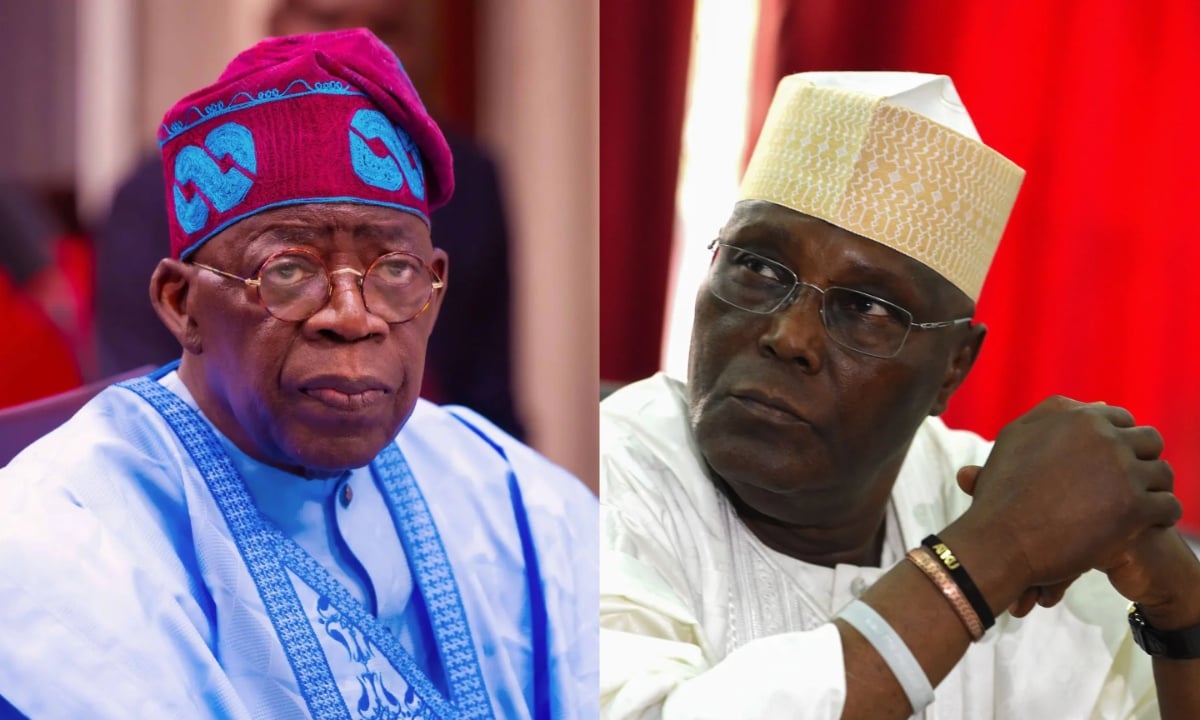
Fuel Discount: Atiku Accuses Tinubu of Turning NNPCL Into Campaign Money Cashier
Atiku has accused Tinubu’s administration of using NNPCL’s petrol discount for political advantage ahead of the 2027 general election.
 Politics
2027: NDC to Inaugurate Presidential Council October 20
The Nigeria Democratic Congress will inaugurate its Presidential Campaign Council on October 20 as it intensifies preparations for the 2027 general elections.
 Politics
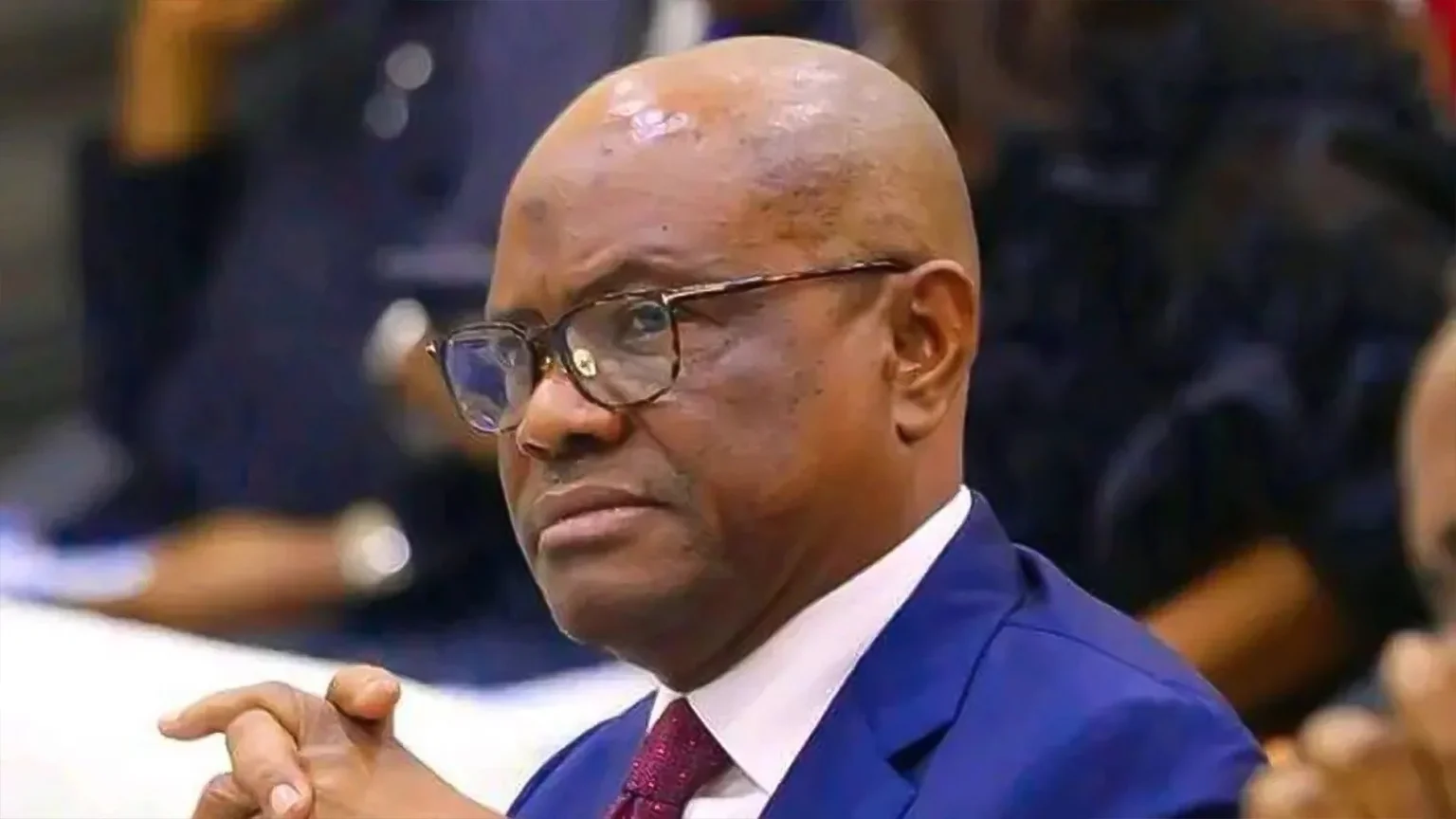
2027: Wike Threatens to Block Amaechi’s Campaign in Rivers Over Tinubu Insults
Wike warned Amaechi could face campaign difficulties in Rivers if he continues attacking Tinubu’s supporters.
 Politics
2027: Tinubu Kicks Off Campaign in Kaduna October 24
Yari says Tinubu will officially launch his 2027 re-election campaign in Kaduna on October 24.
Comments (0)
Leave a comment
All comments are moderated before publishing. Your email is never published.