
UBEC Moves to Reform Basic Education in Kano Through Classrooms and Teacher Recruitment
The Universal Basic Education Commission says it is accelerating basic education reform in Kano State by delivering nearly 4,000 classrooms and backing large-scale teacher recruitment to improve access, quality and learning outcomes.
The Universal Basic Education Commission is intensifying reforms in Kano State through major investment in school infrastructure and the teaching workforce. According to the report, UBEC has delivered nearly 4,000 classrooms across the state, a move meant to create safer, more conducive learning spaces and expand access for more children.
The commission says the intervention is part of President Bola Ahmed Tinubu’s Renewed Hope Agenda and reflects a broader effort to strengthen basic education nationwide. In practical terms, the focus is not only on building classrooms, but on making sure children can enrol, stay in school and learn in an environment that supports success.
A major part of the reform drive is teacher supply. UBEC praised the Kano State Government for what it described as one of the country’s most significant education investments, noting that more than 16,000 teachers have been recruited by the present administration, including the latest batch of new hires. That scale of recruitment is meant to help close staffing gaps, especially in underserved communities where pupil-to-teacher ratios are often too high.
The Kano State Universal Basic Education Board said the recruitment exercise was transparent and merit-based, with only qualified and committed teachers selected for the state’s basic and secondary schools. That emphasis matters because infrastructure alone cannot fix learning outcomes if classrooms remain under-staffed or if teaching quality is weak.
UBEC also reaffirmed its commitment to working closely with state governments across the federation to expand quality basic education. The commission highlighted teacher development, school infrastructure and learner-centred interventions as the main pillars of its strategy.
Kano appears to be one of the strongest examples of this partnership model. The state has also been praised for prioritising education in its budget and for supporting complementary measures such as school uniforms, learning materials, classroom construction and renovation. In addition, the government has been investing in quality assurance training and mobilising nomadic communities to enrol their children in school.
The report suggests that the reforms are aimed at tackling both access and quality at the same time. That means building enough classrooms for growing enrolment while also ensuring that there are enough qualified teachers, effective supervision and a better learning environment.
For pupils and parents, the immediate benefits could be significant: less crowding, more regular teaching, and a greater chance that children remain in school through the basic education cycle. For the state, the long-term payoff could be stronger literacy, better foundational skills and a more capable future workforce.
Overall, UBEC’s intervention in Kano shows what basic education reform looks like when infrastructure, staffing and state partnership are pursued together. The success of the effort will depend on continued funding, maintenance of the new classrooms and sustained attention to teacher quality and accountability.
Sponsored

Related stories
 Tech & Education
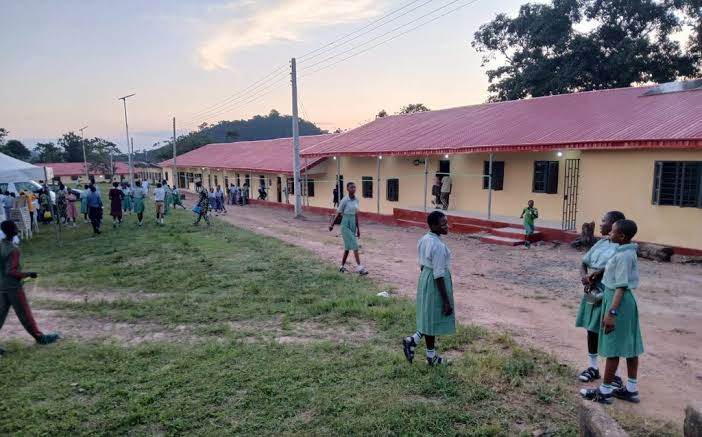
Bamidele Unveils N200m Renovated Science College
Senate Leader Opeyemi Bamidele has commissioned the renovated Government Science College, Iyin-Ekiti, personally funded at over N200 million, donating buses to the school and nearby FUTESI while promising a second phase of upgrades.
 Tech & Education
Abia Students Crowned Global Debate Champions
Students from public schools in Abia State, representing Nigeria, have emerged overall champions at the 2026 International Schools Debate Championship in Doha, Qatar, winning four major trophies and 12 laurels after defeating teams from Jordan, India, Qatar, the Philippines, Kenya and others. The historic victory has been hailed as proof that Governor Alex Otti's education reforms are producing world-class scholars.
 Tech & Education
WAEC Appoints Suleiman Kum as New Head of Nigeria National Office
The West African Examinations Council has appointed 56-year-old Suleiman Danlami Kum as the new Head of the Nigeria National Office, succeeding Dr Amos Josiah Dangut, who has assumed office as the council’s Registrar and Chief Executive Officer. A seasoned test developer, administrator and executive with 28 years of service, Kum is expected to drive technological innovation and examination security across Nigeria’s foremost examinations body.
 Tech & Education
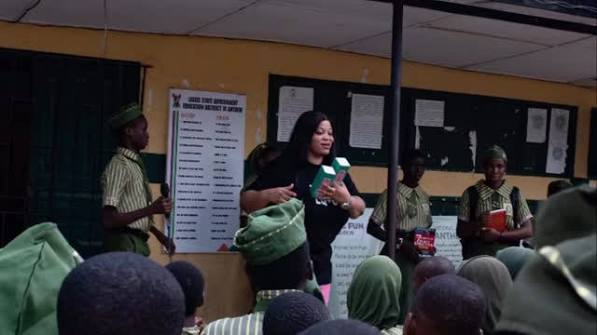
Emmanuel College ’88 Set Renovates Classrooms, Pays Exam Fees
The Progressives of the Unique 1988 Set of Emmanuel College Owerri have unveiled a renovated five-classroom block and paid NECO and WAEC fees for financially disadvantaged students at their alma mater.
Comments (0)
Leave a comment
All comments are moderated before publishing. Your email is never published.