
Twenty-Seven Years of Democracy: Nigeria Still Underfunding Education, Warns Chidoka
Osita Chidoka has criticised Nigeria’s persistent underfunding of education, warning that low budget allocations compared to UNESCO standards are damaging infrastructure, learning quality, and long-term national development.
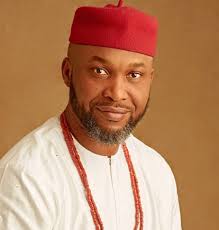
A former Minister of Aviation, Chief Osita Chidoka, has expressed deep concern over Nigeria's persistent underfunding of its education sector, noting that the country's budgetary allocations still fall drastically short of international benchmarks despite nearly three decades of uninterrupted democratic governance.
Chidoka raised the alarm while delivering a keynote address, where he argued that the country's inability to adequately fund public learning institutions poses a severe threat to its long-term socio-economic stability, human capital growth, and global competitiveness.
The former minister pointed out that 27 years after Nigeria's transition to civilian rule, successive administrations have consistently failed to meet the United Nations Educational, Scientific and Cultural Organisation (UNESCO) recommendation, which advises developing nations to allocate between 15 and 20 per cent of their annual budgets to education.
He observed that this chronic financial neglect has manifested in dilapidated school infrastructure, poorly equipped laboratories, inadequate instructional materials, and a demoralised workforce, leading to frequent industrial actions that disrupt the academic calendar.
Chidoka stressed that the current trend of underfunding is particularly dangerous given Nigeria's rapidly growing youth population. He warned that failing to provide the next generation with quality, modern education could turn a potential demographic dividend into a significant security and economic liability.
To reverse this trajectory, the public commentator called for a total overhaul of the nation's budgetary priorities. He urged federal and state authorities to look beyond political rhetoric and implement sustainable funding mechanisms, transparent resource management, and strategic partnerships to rescue the sector from collapse.
Sponsored

Related stories
 Tech & Education
AI Era: Experts Warn Nigerian Graduates Face Skills Gap
Education experts have warned that Nigerian universities risk producing graduates who are ill-prepared for an AI-driven global job market unless curricula are urgently overhauled. At the StudyIn Global Study Conference 2026 in Lagos, stakeholders called for proactive curriculum reform, ethical AI adoption, and a shift from producing AI users to nurturing AI innovators who can solve real-world problems.
 Tech & Education
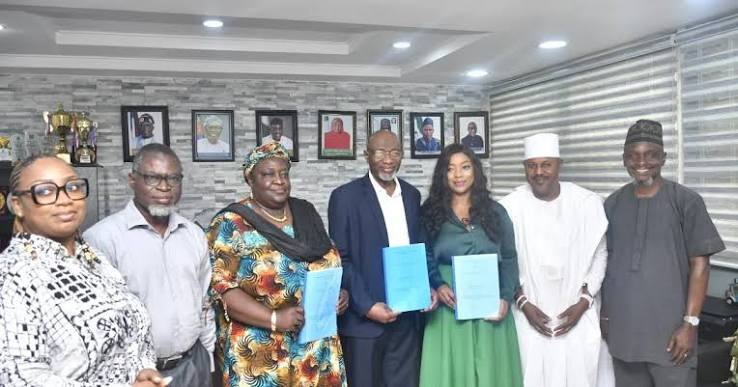
YABATECH, Threatremeter Launch Filmmaking Centre
Yaba College of Technology has signed a partnership with Threatremeter Nigeria Limited to establish a Centre for Filmmaking and Production, offering certified training in acting, directing and film production for students and the public.
 Tech & Education
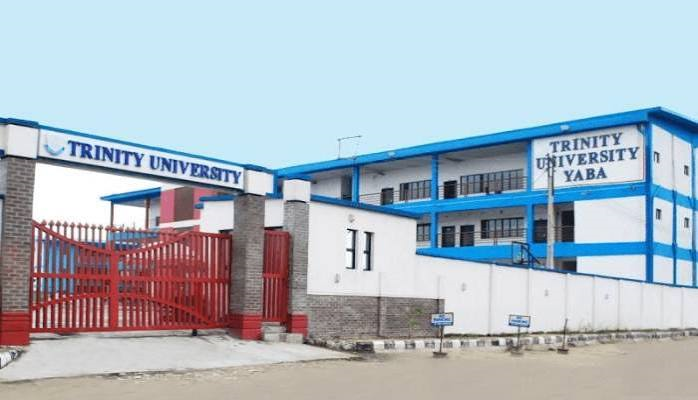
Trinity University Yaba Graduates 323, 79 First Class
Trinity University, Yaba, will confer degrees on 323 graduands at its fifth convocation on October 16, with 79 earning First Class honours and two finishing with a perfect 5.00 CGPA.
 Tech & Education
UK Visa Crackdown Hits Nigerian Students
Nigerian students are being forced to abandon their dreams of studying in the United Kingdom after universities began withdrawing admission offers en masse to avoid breaching a strict new 5 per cent visa refusal threshold. With study visa withdrawals among Nigerian applicants skyrocketing from 4.5 per cent to 22.7 per cent in the first half of 2026, thousands of prospective students now face an uncertain future—and some may be forced to leave the UK altogether.
Comments (0)
Leave a comment
All comments are moderated before publishing. Your email is never published.