
Tinubu Urges Diaspora Medical Professionals to Return Home and Strengthen Nigeria’s Health Sector
President Bola Tinubu has called on Nigerian doctors and other health professionals in the diaspora to return home, contribute their expertise and help rebuild a stronger, more resilient health system under the Renewed Hope Agenda

President Bola Tinubu has appealed to Nigerian medical professionals abroad to come back home and help transform the country’s health sector. He made the call while receiving a delegation of the Nigerian Diaspora Medical Associations Worldwide at the State House in Abuja during activities marking the 2026 National Diaspora Day celebration.
Tinubu said Nigeria needs the knowledge, innovation and international experience of its diaspora doctors, nurses and other health workers to build a more resilient and world-class healthcare system. He also presented the appeal as a matter of national responsibility, saying their service through medical outreach and knowledge transfer reflects both professional duty and patriotism.
The president linked the call directly to his administration’s Renewed Hope Agenda, which includes reforms to strengthen primary healthcare, expand access to quality services, improve medical education and research, and upgrade digital health infrastructure. He also said the government is working on policies to slow the pace of health worker migration and reduce the pressure caused by brain drain.
The message comes at a time when Nigeria is losing large numbers of health professionals to other countries. Recent reporting shows that more than 20,000 Nigerian health workers relocated abroad within one year, underscoring the scale of the staffing crisis in the sector. Tinubu’s appeal is therefore not just symbolic; it is a response to a real shortage that affects hospitals, clinics and patient care nationwide.
According to the report, the president encouraged diaspora professionals to remain connected to Nigeria through partnerships, investments, knowledge exchange and, where possible, permanent return. He also urged them to act as ambassadors who can persuade more healthcare experts abroad to reconnect with the country. That approach suggests the government wants more than one-time visits—it wants sustained collaboration that can build capacity over time.
NiDCOM’s Abike Dabiri-Erewa said the visiting professionals had already demonstrated commitment through medical outreaches across Nigeria’s six geopolitical zones. She added that their involvement shows what is possible when trained Nigerians abroad choose to give back, either through volunteer work or direct participation in national health programmes.
The report also notes that the Federal Ministry of Health plans to institutionalise this engagement by making collaboration with diaspora health professionals an annual programme. If that happens, it could create a more organised pipeline for skills transfer, specialist clinics, mentorship and temporary return missions.
This appeal fits into a wider policy effort already underway. In 2024, the federal government approved the National Policy on Health Workforce Migration to manage, harness and reverse the migration of health workers, while also encouraging the return of professionals through incentives and reintegration support. That policy also calls for better working conditions, mental health support and more balanced work hours to make staying in Nigeria more attractive.
For Nigeria’s health system, the practical challenge remains the same: how to make return attractive enough to compete with opportunities abroad. Better pay, safer facilities, reliable equipment and a more predictable career path will likely matter as much as patriotic appeals. Still, Tinubu’s message reflects a clear recognition that diaspora professionals could play a major role in rebuilding the sector if the right conditions are created.
Sponsored

Related stories
 Health
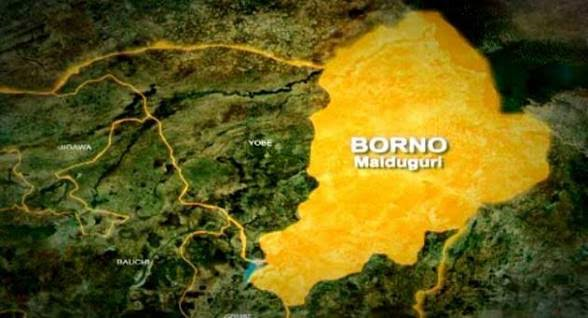
Borno Hires 2,000 Health Workers, Still Faces Staff Shortage
Borno State has recruited nearly 2,000 doctors, nurses and other health professionals in two years, but the head of its contributory health agency says manpower gaps persist as demand grows under the state health insurance scheme.
 Health
Lassa Fever Kills 268 in Nigeria as Cases Hit 1,138
Nigeria has recorded 1,138 confirmed Lassa fever cases and 268 deaths across 24 states in 2026, with the case fatality rate rising to 23.6 per cent—significantly higher than the 18.6 per cent recorded during the same period in 2025. The NCDC has identified five states accounting for 88 per cent of all confirmed cases, as it intensifies preparedness efforts ahead of the peak transmission season.
 Health
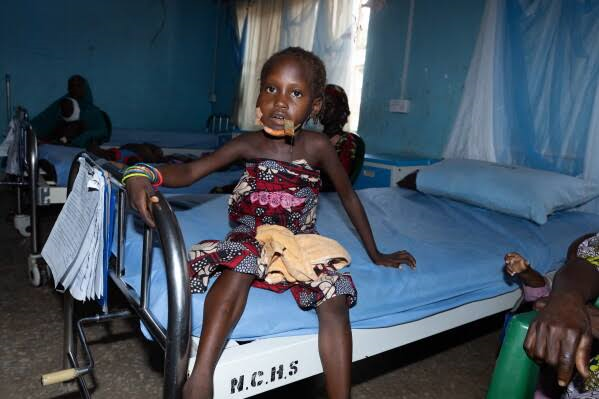
MSF Calls for Routine Noma Surveillance in Nigeria
Doctors Without Borders says noma, a fast-moving and often fatal facial infection linked to malnutrition and poverty, remains largely missing from Nigeria's routine child health programmes despite its 2023 recognition as a neglected tropical disease.
 Health
Oyo Rejects Diphtheria Outbreak Claims, Accuses APC
The Oyo State Government has dismissed claims by the Senator Sharafadeen Alli Campaign Organisation that diphtheria has affected 16 local government areas, describing the allegation as false and politically motivated. Commissioner for Health Dr. Oluwaserimi Ajetunmobi confirmed that while suspected cases have been recorded in 10 LGAs, none have been confirmed, and accused the APC campaign group of distorting immunisation data to score political points.
Comments (0)
Leave a comment
All comments are moderated before publishing. Your email is never published.