
Tinubu Targets Doubling Nigeria's $32bn Livestock Sector, Eyes Africa's Top Production Hub Status
President Tinubu says Nigeria aims to more than double the livestock sector's estimated $32 billion annual contribution to the economy, positioning the country as Africa's leading hub for livestock production and processing.
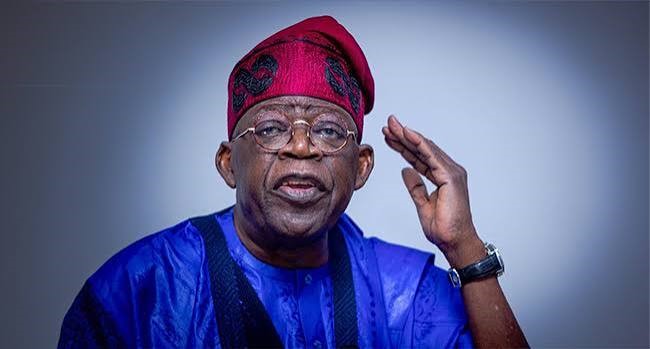
President Bola Tinubu has declared that Nigeria is targeting more than doubling the livestock sector's estimated $32 billion annual contribution to the national economy, as part of a broader strategy to position the country as a leading hub for livestock production and processing across Africa.
Tinubu made the declaration on Monday in Abuja at the opening ceremony of the 9th All Africa Conference on Animal Agriculture, themed "Repositioning Animal Agriculture for Africa's Agricultural Food Security and Global Competitiveness." The President, represented at the event by the Secretary to the Government of the Federation, George Akume, said the Federal Government remained committed to transforming livestock production from a largely subsistence and cultural activity into a modern, technology-driven, and commercially competitive industry.
"Our national strategy aims to more than double the sector's economic contributions to position Nigeria as a leading hub for livestock production and processing in Africa," Tinubu said, underscoring the scale of ambition behind the government's livestock development agenda.
According to the President, Nigeria currently boasts one of the largest livestock populations on the continent, comprising over 58 million cattle, 64 million sheep, 124 million goats, and 660 million poultry birds. He noted that the sector already contributes over $32 billion annually to the national economy and remains a major pillar of agricultural production, food security, and rural development.
Tinubu explained that his administration had placed agriculture and food security at the centre of its Renewed Hope Agenda, a commitment that led directly to the establishment of the Federal Ministry of Livestock Development in July 2024. He described the creation of the standalone ministry as a "historic decision" that demonstrated government's seriousness about transforming the industry, calling it a landmark policy initiative reflecting commitment to modernising livestock production into a globally integrated venture.
The President added that his administration had also approved institutional reforms based on recommendations from the Presidential Committee on Livestock Reforms, aimed at strengthening governance, improving productivity, promoting peaceful and sustainable production systems, and creating an enabling environment for private sector investment across the livestock value chain.
He said the National Livestock Growth Acceleration Strategy was already being implemented to unlock the sector's full potential, focusing on increasing productivity, strengthening value chains, improving animal health services, expanding commercial feed production, enhancing livestock genetics, and promoting climate-smart production systems. According to Tinubu, the strategy would also promote peacebuilding around livestock-related conflicts and position Nigeria as a regional hub for livestock investment and exports.
On the contentious issue of production methods, the President said the Federal Government continues to promote ranching and modern livestock production systems as a way to increase productivity while reducing conflicts historically associated with traditional, open-grazing production systems. He said government was simultaneously strengthening animal breeding, genetics, veterinary services, feed production, disease surveillance, and animal health systems, while working to attract fresh investment into dairy, meat processing, leather, feed milling, and broader livestock infrastructure.
Turning to employment, Tinubu highlighted the sector's significant job-creation potential for Nigeria's growing youth population. "Beyond contributing to economic growth, the livestock sector is one of the largest sources of employment opportunities through its divergent value chain – from animal production to feed manufacturing, veterinary services, transportation, processing, marketing, leather production, dairy enterprises, and export activities," he said, adding that millions of jobs could be created across Africa's youth population through fuller optimisation of the value chain.
The President also addressed Nigeria's continued dependence on imported dairy products, disclosing that government was taking active steps to reduce that reliance by doubling local milk production. He explained that an ongoing dairy transformation programme was focused on improved genetics, better nutrition, modern breeding systems, and stronger private sector participation, promoting improved breeds, pasture development, commercial feed production, milk collection infrastructure, private dairy investment, and modern processing facilities, all aimed at substantially increasing local milk output, reducing import dependence, improving rural incomes, and strengthening national food security.
Beyond domestic reforms, Tinubu stressed the importance of continental cooperation, noting that challenges such as animal diseases, climate change, food insecurity, trade barriers, and transboundary livestock movements require coordinated, cross-border solutions. "No country can achieve sustainable livestock transformation in isolation," he said, adding that Nigeria's support for stronger regional collaboration under the African Continental Free Trade Area was informed by the trade, investment, and industrialisation opportunities presented by livestock and livestock products across the continent.
He urged African countries to strengthen regional standards, disease surveillance systems, research collaboration, and value chain integration, while encouraging conference delegates to develop practical recommendations capable of advancing Africa's broader livestock agenda in line with the African Union's Agenda 2063. "Let us chart a resilient path for a livestock production revolution in our continent, endear the hearts of younger generations to the sector and stimulate sustainable development," Tinubu said, pledging that Nigeria remains ready to collaborate with African countries, development partners, research institutions, and the private sector to build a productive, sustainable, and globally competitive livestock industry.
Speaking at the same event, the Permanent Secretary of the Federal Ministry of Livestock Development, Chinyere Akujobi, said the conference offered African countries and stakeholders a valuable opportunity to exchange knowledge, strengthen partnerships, and explore innovative approaches to advancing animal agriculture. He described the conference theme as timely and compelling, noting that Africa's growing population, shifting food systems, climate challenges, and expanding markets made it necessary to continually reassess animal agriculture's contribution to both food security and economic growth on the continent.
He expressed confidence that the participation of policymakers, researchers, livestock farmers, development partners, professional bodies, and private-sector stakeholders at the conference would enrich discussions and generate ideas capable of translating into meaningful action for Nigeria's livestock sector going forward.
Sponsored

Related stories
 Agriculture
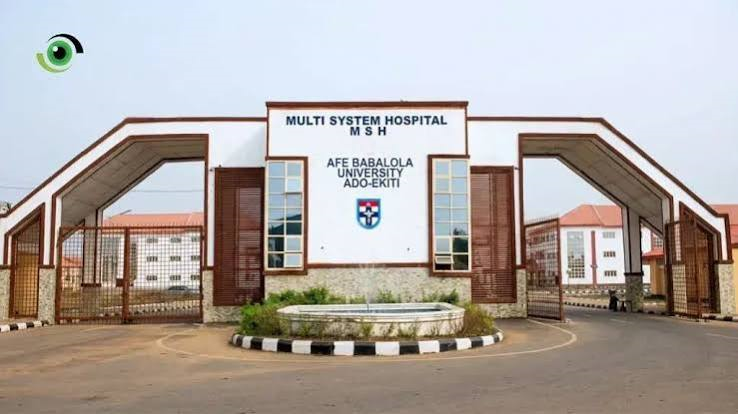
Babalola’s Farmer Support Hits N98m
Legal icon Aare Afe Babalola has disbursed N11.2 million to 81 outstanding farmers across Ekiti State's 16 local government areas, bringing total awards under his annual agricultural scheme since 2015 to N98 million.
 Agriculture
FG Launches African Swine Fever Control Campaign in Southwest
The Federal Government has launched a major African Swine Fever control and biosecurity campaign at the Oke-Aro Pig Farm Estate, distributing protective kits to farmers and pledging comprehensive training to prevent future outbreaks. The intervention by the Livestock Productivity and Resilience Support Project (L-PRES) targets one of Nigeria's largest pig production clusters, which has suffered devastating losses from the highly contagious disease in the past.
 Agriculture
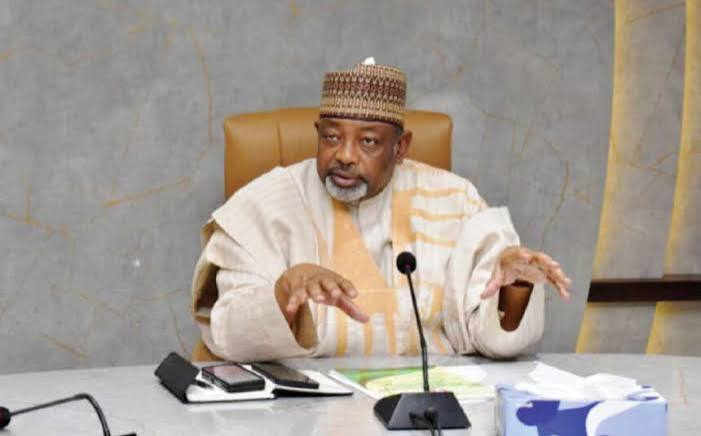
Kyari: More Farmland Won’t Feed 400 Million Nigerians
Agriculture Minister Abubakar Kyari says Nigeria must treat agricultural extension as critical infrastructure, disclosing that over 100,000 farmers already receive weekly digital advisories as the country's population heads toward 400 million by 2050.
 Agriculture
Farmland Expansion Alone Won’t Feed Nigeria
Agriculture Minister Abubakar Kyari says Nigeria must shift to demand-driven, AI-enabled agricultural extension services to boost farm yields, warning that expanding farmland alone can no longer feed the country's growing population.
Comments (0)
Leave a comment
All comments are moderated before publishing. Your email is never published.