
Sugar Industry Key to Addressing Unemployment, Insecurity — NSDC Boss
Sugar Industry Key to Addressing Unemployment, Insecurity — NSDC Boss
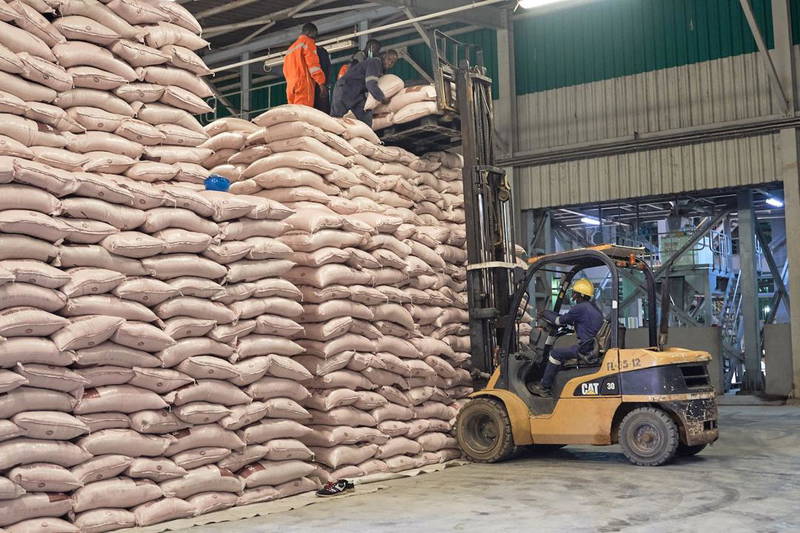
The Executive Secretary and Chief Executive Officer of the National Sugar Development Council, Mr. Kamar Bakrin, has said that developing Nigeria’s sugar industry could play a major role in reducing unemployment, insecurity, and underdevelopment in rural communities.
Bakrin made the statement during a strategic meeting between the NSDC and the Nigeria Customs Service at the Customs Headquarters in Abuja.
Addressing the Comptroller-General of Customs, Bashir Adewale Adeniyi, and senior officials, Bakrin explained that strengthening local sugar production would help transform the over $1 billion Nigeria spends annually on sugar imports into domestic investments, job creation, and industrial growth.
According to him, a fully developed sugar sector could generate approximately 250,000 direct jobs and an additional 750,000 indirect jobs across the sugar value chain in about 12 states across the country.
He stressed that most of the jobs would be created in rural areas where economic opportunities are limited, noting that the establishment of sugar projects could help reduce insecurity by engaging young people productively.
“The beauty of it is that these are rural jobs, not city jobs. When you have sugar projects, you don’t have unrest or security challenges because you create opportunities for the youths,” Bakrin stated.
The NSDC boss also highlighted the energy generation potential of modern sugar estates, explaining that sugar projects can independently generate electricity without depending entirely on the national grid.
According to him, sugar estates typically consume only half of the energy they produce, while the remaining power can be supplied to the national grid.
“We are talking about 400 megawatts, enough to power a small modern city,” he said.
Bakrin further disclosed that Nigeria possesses more than one million hectares of suitable land for sugar cultivation, adding that only about 200,000 hectares would be needed for the country to achieve self-sufficiency in sugar production.
Responding during the meeting, Adeniyi assured the NSDC of the Customs Service’s support for the government’s sugar sector transformation agenda.
Stakeholders at the meeting noted that expanding local sugar production could reduce Nigeria’s dependence on imports, improve food security, create industrial opportunities, and stimulate economic growth in rural communities nationwide.
Sponsored

Related stories
 News
News
FG Seeks World Bank Guarantees for Infrastructure Financing
Nigeria’s Oyedele and Cardoso seek World Bank guarantees to attract private capital for infrastructure projects.
 News
News
Power: FG to Clear GenCos’ Legacy Debts in 2027 — Tegbe
Power Minister Joseph Tegbe says the Federal Government aims to settle outstanding legacy debts owed to electricity generation companies by 2027.
 News
News
IPO: Dangote Petroleum Refinery Extends Offer Period by Two Weeks
Dangote Refinery extends its share offer to October 27, giving investors more time to participate in the landmark IPO.
 News
News
Houthi Official Warns of ‘Swift, Painful Response’ if US Enters Yemen War
Houthi official Mohammed Al Bukhaiti threatens US interests if Washington joins Saudi Arabia’s military campaign against the group.
Comments (0)
Leave a comment
All comments are moderated before publishing. Your email is never published.