
Stakeholders Flag Safety Risks in CNG, EV Transition
Industry stakeholders warn weak regulation and poor standards could threaten Nigeria’s transition to CNG and electric vehicles.
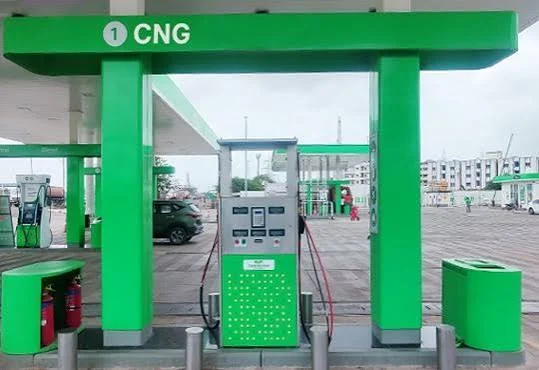
Stakeholders in Nigeria’s automotive industry have raised concerns over safety challenges facing the country’s transition to Compressed Natural Gas (CNG) and Electric Vehicles (EVs), warning that inadequate regulation, weak standards enforcement and limited public awareness could slow the adoption of cleaner transportation.
The concerns were expressed during the third edition of the Nigeria Auto Industry Summit organised by the Nigeria Auto Journalists Association (NAJA) in collaboration with the National Automotive Design and Development Council (NADDC) in Lagos.
The summit, themed “Nigeria’s Clean Mobility Future: The EV and CNG Journey Under the President Bola Tinubu Administration,” brought together regulators, industry experts and government officials.
The Director-General of the Standards Organisation of Nigeria (SON), Dr. Ifeanyi Okeke, warned that uncertified products and poor installation practices pose serious risks to the success of Nigeria’s clean mobility programme.
Represented by the agency’s Deputy Director of Research and Statistics, Olalekan Omoniyi, Okeke said CNG and electric vehicle technologies are safe when designed, installed and maintained according to recognised national and international standards.
He noted, however, that the use of fake components and unqualified installers could result in dangerous incidents.
Omoniyi cited the explosion of a CNG cylinder installed in a vehicle at a filling station in Edo State, saying investigations linked the incident to the use of an uncertified cylinder and non-compliance with the Nigerian Gas Vehicle Installation Standard.
He also identified the growing number of informal vehicle conversion centres and the influx of unregulated CNG cylinders and conversion kits as major threats to public safety.
According to him, Nigeria’s standards framework for electric vehicles is still evolving, particularly in areas such as battery safety, charging systems, battery recycling and second-life applications.
Meanwhile, the Federal Road Safety Corps (FRSC) disclosed that it is developing Standard Operating Procedures for the safe deployment and regulation of CNG-powered and electric vehicles.
Corps Marshal Shehu Mohammed said the agency is working with relevant stakeholders to ensure that road safety regulations keep pace with technological developments.
He stressed that cleaner transportation should not only reduce emissions but also improve vehicle safety and strengthen public confidence.
Stakeholders at the summit agreed that stronger regulation, investment in testing facilities and greater public awareness would be essential to ensuring the successful and safe adoption of clean mobility technologies in Nigeria.
Sponsored

Related stories
 News
News
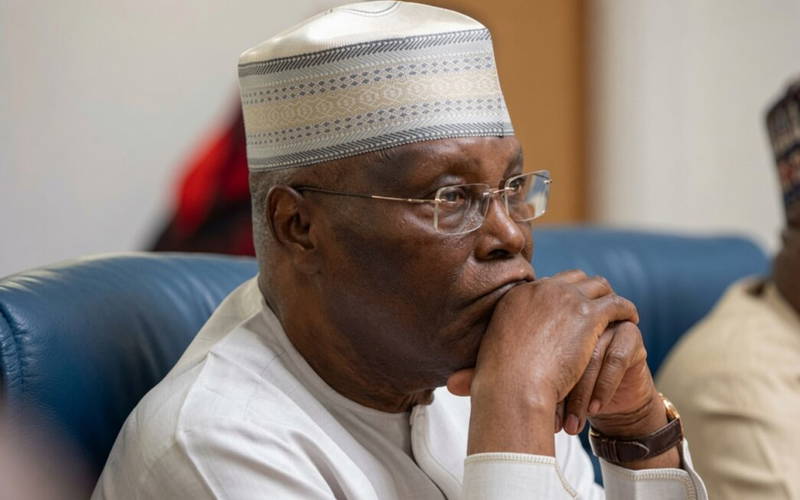
Blaming Opposition For Hunger Is ‘Delusion’ — Atiku Tells Tinubu
Atiku Abubakar has accused President Tinubu of evading responsibility for Nigeria’s economic hardship after blaming opposition politicians for hunger and poverty.
 News
News
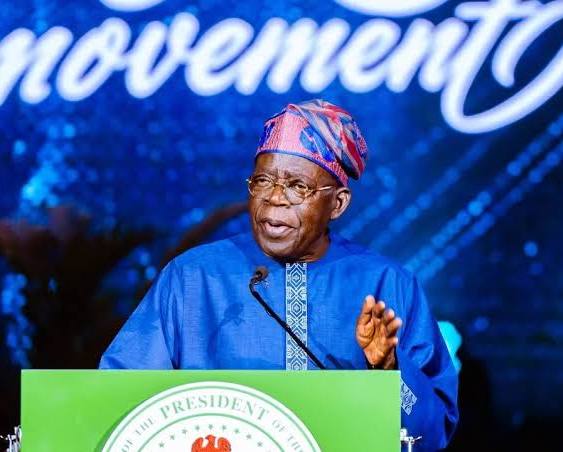
Tinubu Accuses Opposition of Creating Hunger, Poverty
President Bola Tinubu has accused opposition parties of creating the hunger and poverty they now criticise his administration over, insisting that his government is working to eradicate hardship and deliver economic prosperity.
 News
News
UNICEF, Sokoto Target One Million Children for Polio Vaccination
UNICEF and the Sokoto State Government are intensifying efforts to protect children against polio through vaccination, community mobilisation and public awareness, with emphasis on reaching every eligible child and addressing vaccine hesitancy.
 News
News
2027 Northern Nigerians Will Repay Tinubu with Votes, Says Sani, Yari
Kaduna State Governor Uba Sani and APC Presidential Campaign Council Director-General Abdul’aziz Yari have expressed confidence that Northern Nigerians will support President Bola Tinubu’s re-election bid in 2027, citing federal government interventions in infrastructure, security, education and agriculture.
Comments (0)
Leave a comment
All comments are moderated before publishing. Your email is never published.