
South Africa in Total Shutdown Amid Worsening Migrants Crisis
South Africa has been thrown into a state of total shutdown amid the worsening crisis surrounding migrants and undocumented foreigners, with protests, security tensions, and economic disruptions widening.
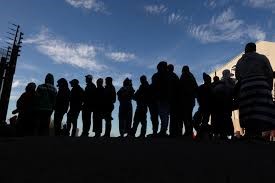
South Africa has been gripped by a wave of disruptions and unrest, with reports indicating a near-total shutdown of activities across several parts of the country amid the deepening migrants crisis.
The latest development comes against the backdrop of growing tensions over the issue of undocumented foreigners, xenophobic sentiments, economic challenges, and a series of protests reportedly sweeping through major South African cities.
According to reports, businesses, markets, transport networks, and several public institutions in parts of the country have been forced to suspend operations as authorities work to contain the rising tensions and prevent the situation from escalating further.
Security forces have been deployed in significant numbers to flashpoint areas to maintain order, protect lives and property, and prevent the outbreak of large-scale violence, even as the situation remains tense in several locations.
The South African government has been under increasing pressure from various political actors, pressure groups, and segments of the population to take decisive action on the issue of undocumented foreigners, with calls intensifying for stricter enforcement of immigration laws and stronger border control measures.
The crisis has also reignited longstanding concerns about xenophobic incidents in the country, with foreign nationals expressing anxiety over their safety and welfare amid the unfolding events.
Several foreign embassies and high commissions in South Africa have reportedly been engaging their citizens, providing updates on the situation, and outlining safety protocols to be observed during the period.
The Nigerian government, through its diplomatic missions in South Africa, has continued to monitor the situation closely, with assurances of support for Nigerians residing in the country and renewed efforts to ensure their safety.
In recent months, the Federal Government has been involved in the evacuation of distressed Nigerians from South Africa, particularly those affected by economic challenges, xenophobic incidents, and other situations requiring urgent intervention.
The latest disruptions have, however, raised fresh concerns about the welfare of Nigerians and other African nationals living in South Africa, with diaspora associations, civil society groups, and stakeholders calling for stronger diplomatic engagements and protection measures.
The South African government has, while acknowledging the legitimate concerns of its citizens, consistently maintained that issues relating to immigration and the presence of foreigners in the country must be handled in a manner that respects human rights, international obligations, and the dignity of all individuals.
It has also called on its citizens to remain calm, embrace dialogue, and reject violence as the country grapples with the complex issues at the heart of the migrants crisis.
The total shutdown reports come on the heels of recent denials by the South African government regarding viral claims that it had introduced a reward scheme for citizens who report undocumented foreigners to the authorities.
The South African authorities had described those claims as false and misleading, urging the public to disregard the misinformation and rely on official sources for accurate information about the country's immigration policies and law enforcement procedures.
However, the situation on the ground has remained tense, with various reports suggesting that the underlying grievances over economic hardship, unemployment, crime, and migration continue to fuel public protests and disruptions.
Political analysts have warned that the current crisis could have far-reaching implications for South Africa's economy, regional standing, and diplomatic relationships, particularly with other African countries whose citizens reside in the country in significant numbers.
The country's economy, which has continued to face significant challenges in recent years, including high unemployment, inequality, and slow growth, is expected to be further impacted by the ongoing disruptions and uncertainty.
Several stakeholders, including business associations, labour unions, civil society groups, and religious organisations, have called for dialogue, restraint, and the urgent intervention of the South African government to restore peace, order, and stability.
The African Union (AU), the Southern African Development Community (SADC), and other regional bodies have also reportedly been engaging with the situation, encouraging dialogue, and offering support to help defuse tensions and address the underlying issues.
Foreign nationals, including Nigerians, Zimbabweans, Mozambicans, Ethiopians, Somalis, and others, have continued to express concerns about their safety and welfare, with many reportedly considering whether to remain in the country or relocate to safer environments.
The unfolding situation has also drawn attention to the broader issues of migration, xenophobia, and economic disparity in the African continent, with calls for stronger continental cooperation to address the root causes of these challenges.
The South African government has urged its citizens to refrain from acts of violence, intimidation, or any form of attack against foreigners, stressing that such actions would only deepen the country's challenges and damage its international standing.
Authorities have also called for cooperation with security agencies, adherence to the rule of law, and engagement through legitimate channels to address grievances rather than resorting to violence or vigilantism.
The latest development is expected to attract significant international attention, with foreign governments, multilateral institutions, and human rights organisations closely monitoring the situation and engaging with the South African authorities.
Stakeholders are also calling for sustained dialogue, structured engagements, and policy reforms to address the underlying causes of the migrants crisis, including economic disparities, weak governance, regional inequality, and the unintended consequences of restrictive migration policies.
The Nigerian community in South Africa, like other foreign communities, has continued to engage with the South African authorities and diplomatic missions to ensure that their interests, rights, and welfare are protected during this challenging period.
The Nigerian government, through the Ministry of Foreign Affairs, the Nigerians in Diaspora Commission (NiDCOM), and other relevant agencies, has continued to engage stakeholders, monitor the situation, and offer support to Nigerians affected by the crisis.
Diaspora associations and community leaders have urged Nigerians and other African nationals in South Africa to remain calm, observe safety protocols, comply with local laws, and stay in close contact with their respective diplomatic missions.
The situation underscores the urgent need for African countries to strengthen continental cooperation, particularly on issues relating to migration, economic development, security, and the rights of African nationals residing in other African countries.
It also highlights the importance of addressing the underlying socio-economic and political challenges that drive migration and contribute to tensions between local populations and foreign communities in various countries.
As the situation in South Africa continues to evolve, attention will remain fixed on the actions of the country's leadership, the engagements of regional and international stakeholders, and the broader implications for South Africa, the African continent, and the global migration landscape.
GNA will continue to provide updates as the situation in South Africa unfolds, while urging citizens and stakeholders to verify reports through credible sources and engage with the situation responsibly.
Related stories
 News
News
'Nothing on Earth Will Stop This Revolution' — Sowore Speaks After Bail
Human rights activist Omoyele Sowore has declared that nothing on earth would stop the revolution he is championing in Nigeria, in his first major statement following his release on bail.
 News
News
ADC Rejects Court Verdict, Moves to Block INEC Access Code for Rival Faction
The African Democratic Congress (ADC) has rejected a recent court verdict affecting its leadership and is taking steps to prevent INEC from issuing access codes to a rival faction.
 News
News
Court Grants Sowore Bail, Sets Fresh Conditions for Release
A court has granted bail to human rights activist and former presidential candidate Omoyele Sowore, setting fresh conditions for his release as legal proceedings against him continue.
 News
News
LASEPA Introduces Mandatory Digital Training for Noise Pollution Offenders in Lagos
The Lagos State Environmental Protection Agency (LASEPA) has introduced a mandatory digital training programme for offenders of the state's noise pollution regulations.
Comments (0)
Leave a comment
All comments are moderated before publishing. Your email is never published.