
Senate Rules Out Fresh Review of Electoral Act Before 2027 Polls
The Senate has ruled out amending the Electoral Act 2026 before the 2027 general elections, saying political parties have already begun preparations under the existing law. Any review, it says, will be considered after the polls.
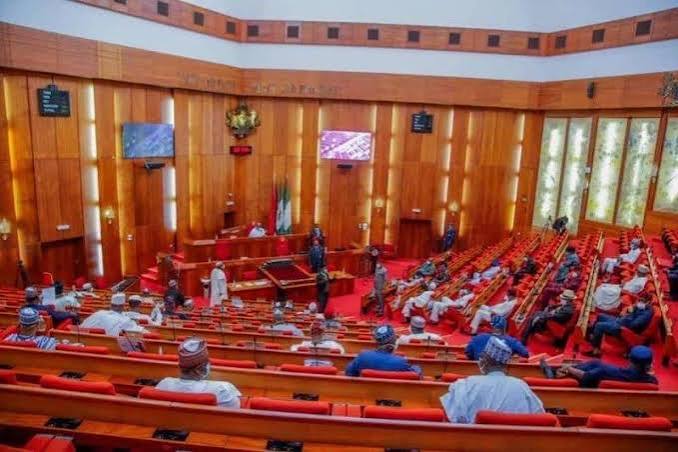
The Nigerian Senate has ruled out reopening the Electoral Act 2026 for fresh amendments before the 2027 general elections, despite renewed debate over provisions governing political party membership registers and candidate nominations.
The Chairman of the Senate Committee on Media and Public Affairs, Senator Yemi Adaramodu, said the National Assembly had completed the legislative process and the law had received presidential assent.
Adaramodu explained that any proposals for amendments would be considered after the 2027 elections, adding that reopening the law at this stage could disrupt preparations already underway by political parties.
His comments followed a recent Supreme Court judgment restoring provisions of the Electoral Act that regulate party membership registers and methods of nominating candidates for elections.
The Supreme Court overturned an earlier Court of Appeal decision that had declared Sections 77(5), 77(6), 77(7) and 84(2) of the Electoral Act 2026 unconstitutional.
The appellate court had ruled in a case involving the Zenith Labour Party, which challenged provisions relating to membership registers and the regulation of internal party affairs.
However, the Supreme Court upheld the statutory provisions, affirming the legal requirements governing the submission and use of party membership registers, as well as candidate nomination procedures.
Sections 77(5), 77(6) and 77(7) regulate participation in party primaries, congresses and conventions, providing that only members listed on the membership register submitted to the Independent National Electoral Commission (INEC) may participate in the relevant processes.
Section 84(2) specifies direct primaries and consensus as methods through which political parties may nominate candidates.
Adaramodu said political parties had already relied on the existing legislation in preparing for their primaries and selecting candidates for the forthcoming elections.
He argued that changing the rules midway through the electoral process would create uncertainty and undermine preparations by parties and electoral authorities.
The senator added that individuals or organisations seeking changes to the legislation could submit petitions to the Senate for consideration, but stressed that the National Assembly would not suspend or replace the current law before the 2027 polls.
The Supreme Court judgment has renewed scrutiny of compliance with the provisions, particularly in cases involving membership records, waivers and nomination procedures.
The Senate maintained that the existing framework would remain in force for the 2027 general elections, with any necessary amendments to be considered after the electoral process has concluded.
Sponsored

Related stories
 News
News
Tinubu’s US Case Takes Fresh Twist as Lobby Firm Leaks New Documents
A new court filing alleges Nigeria pays a US lobbying firm $750,000 monthly amid litigation over Tinubu’s records and case.
 News
News
Evacuations, Injuries at Riyadh Airport After Alleged Houthi Attack
Riyadh airport was evacuated after a new attack injured several people and suspended operations Saturday.
 News
News
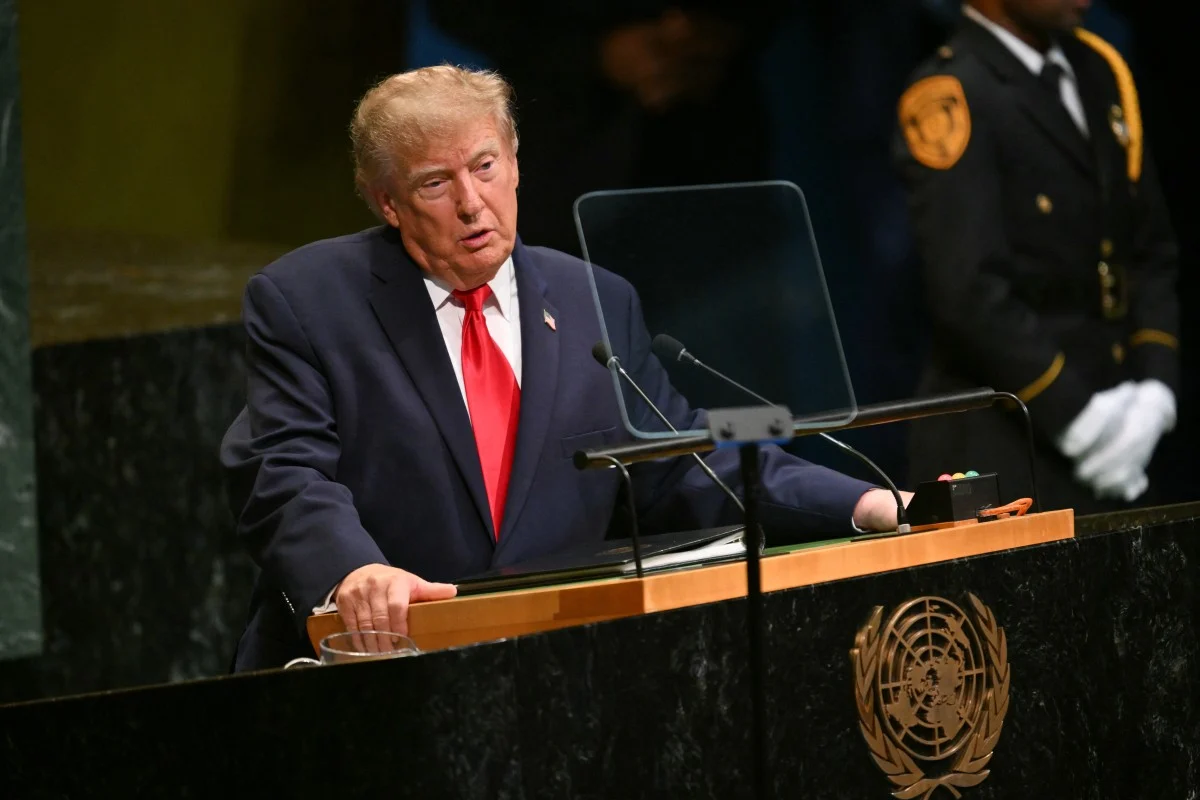
Ukraine Needs New President Who Will Agree to End War — Trump
US President Donald Trump has called for Ukraine to elect a new leader, accusing Volodymyr Zelenskyy of failing to secure peace with Russia.
 News
News
Soludo’s Wife Wins Africa Future Leadership Award
Anambra First Lady Nonye Soludo will receive the Public Health Innovation Award for promoting preventive healthcare and healthy living.
Comments (0)
Leave a comment
All comments are moderated before publishing. Your email is never published.