
Russia Jet Fuel Export Ban Boosts Dangote Refinery’s Global Market Position
Russia’s jet fuel export ban may strengthen Dangote Refinery’s global market position as tightening global supply and rising demand push Europe toward alternative suppliers, including West Africa.

The Dangote Petroleum Refinery may strengthen its position in the global aviation fuel market following Russia’s decision to extend its ban on jet fuel exports until November 30, 2026, amid ongoing disruptions to its refining infrastructure caused by sustained attacks.
Russia announced the restriction on Monday, saying the measure is aimed at securing domestic aviation fuel supply as Ukrainian drone strikes continue to damage key refineries and export-linked facilities. The move follows earlier curbs placed on gasoline exports earlier in the year.
Although Russia is not among the world’s largest jet fuel exporters, the latest restriction adds further pressure to an already tightening global aviation fuel market. Demand is recovering strongly worldwide, while geopolitical tensions and refinery disruptions continue to constrain supply routes.
The development comes at a time when global energy markets are experiencing heightened volatility, particularly due to instability in the Middle East and reduced output from several major refining hubs. These disruptions have forced import-dependent regions, especially Europe, to seek alternative suppliers.
In recent months, European buyers have increasingly turned to the Atlantic Basin, including West Africa, to bridge supply gaps. This shift has created new opportunities for emerging large-scale refiners.
The Dangote refinery has already begun to benefit from this realignment in global trade flows. Industry reports indicate that the facility has exported significant volumes of aviation fuel to Europe, positioning itself as a key non-traditional supplier in the market.
Between March and April 2026, the refinery reportedly shipped about 1.1 billion litres of jet fuel to Europe while also meeting over 95 per cent of Nigeria’s domestic Jet A1 demand. In April alone, it is said to have exported around 615 million litres of aviation fuel as part of broader refined product shipments.
Market analysts say these developments underscore the refinery’s growing influence in global fuel supply chains, particularly at a time when traditional suppliers face production and export constraints.
Russia’s export ban, while not expected to drastically reduce global jet fuel volumes on its own, contributes to an already tightening supply environment that favours emerging exporters with spare capacity.
The restriction applies to jet fuel sold through exchange and commercial channels but excludes intergovernmental agreements and shipments already in transit or under customs clearance.
Authorities in Moscow say the measure is necessary to stabilise domestic fuel availability amid repeated disruptions to refinery operations caused by ongoing drone attacks, which have reduced output at several key facilities.
With global demand rising and supply chains under strain, analysts say refiners such as Dangote could continue to gain increased access to premium export markets, particularly in Europe and Asia.
Sponsored

Related stories
 News
News
IMF Says Nigerians Still Face High Living Costs Despite Economic Growth
The International Monetary Fund has urged the Federal Government to introduce targeted cash transfers and temporary income support for vulnerable households as food and energy costs continue to strain Nigerians despite improved economic growth.
 News
News
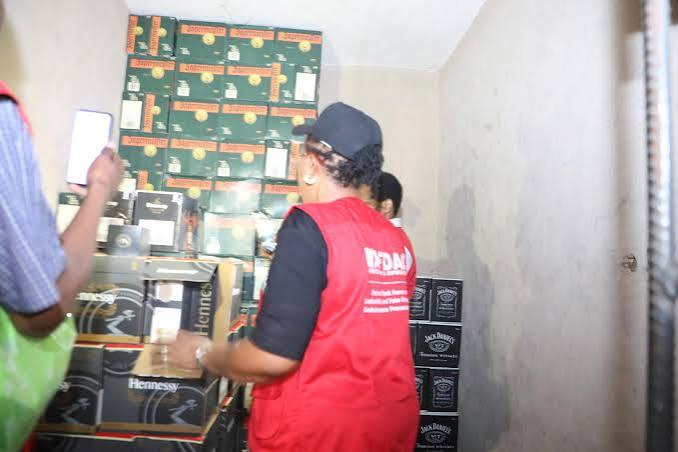
NAFDAC Arrests Two over Suspected Fake Drinks Operation in Lagos
NAFDAC has arrested two suspects at a facility in Lagos’ Trade Fair Complex over the alleged revalidation and repackaging of expired energy drinks, wines and whisky, warning of the health risks posed by counterfeit beverages.
 News
News
LCCI Proposes 20% Petrol Price Cut Within Six Months
The Lagos Chamber of Commerce and Industry has urged the Federal Government to introduce a six-month programme targeting a 15 to 20 per cent reduction in petrol pump prices to ease rising energy, transport and operating costs.
 News
News
Nigeria’s Private Capital Inflows Rise to $6bn as Reforms Gather Pace
World Bank Group President Ajay Banga says Nigeria’s private capital inflows have risen from about $300 million in 2023 to nearly $6 billion in 2026, while the Federal Government reports an increase in the tax-to-GDP ratio to 12.5 per cent.
Comments (0)
Leave a comment
All comments are moderated before publishing. Your email is never published.