
Rich Countries Harvest 20,000 Nigerian Health Workers
Official figures show that more than 20,000 Nigerian health workers, including doctors and nurses, left the country within one year, worsening concerns over brain drain, staffing shortages and the pressure on the health system.

Nigeria’s health sector is facing another serious wave of workforce losses, with official figures showing that 20,966 health workers relocated abroad in just one year. The exodus includes doctors, nurses and other professionals whose departure has deepened concerns about staffing gaps in hospitals and clinics across the country.
The scale of the migration is alarming because it comes at a time when Nigeria already struggles with limited personnel, underfunded facilities and high patient loads. When experienced staff leave, the remaining workforce has to cover more shifts, manage more patients and often work under even more difficult conditions, which can further reduce morale and accelerate more departures.
The report describes richer countries as “harvesting” Nigerian health workers because many of the destination countries are actively recruiting them to fill their own shortages. This is part of a global competition for healthcare talent that intensified after COVID-19, when many systems in developed countries increased recruitment to shore up exhausted workforces.
For Nigeria, the problem is not just the departure of individuals, but the long-term weakening of the entire health system. Medical schools and training institutions produce new professionals, but if working conditions, salaries and career prospects remain poor, many of those graduates quickly leave for better opportunities abroad. That makes the country lose both the investment in their training and the skills needed to serve patients at home.
The federal government has already acknowledged the challenge. In response, Nigeria approved a National Health Workforce Migration Policy designed to manage, harness and possibly reverse health worker migration, while also calling on recipient countries to help address the imbalance. The policy reflects a recognition that the issue is not only about migration itself, but about the conditions pushing workers out in the first place.
Those conditions are familiar: poor remuneration, weak infrastructure, burnout, insecurity, limited equipment and a lack of professional support. In many cases, health workers say they are trying to protect their families and careers in a system that does not reward their service adequately. That reality explains why migration remains strong even when the effects on national health delivery are clearly damaging.
The exodus also has implications for equity and access. Rural and underserved communities are usually hit hardest when staffing shrinks, because they already face shortages before the migration wave begins. If more professionals continue to leave, patients may wait longer, travel farther and pay more for increasingly limited care.
The broader debate now is whether Nigeria can make staying at home a more attractive option than leaving. That would require better pay, safer workplaces, more modern equipment, clearer career paths and policies that treat health workers as critical national assets rather than interchangeable labour.
For now, the headline figure of 20,966 departures captures the urgency of the problem. Unless the underlying causes are addressed, Nigeria’s brain drain in health care is likely to remain one of the country’s most serious development challenges.
Sponsored

Related stories
 Health
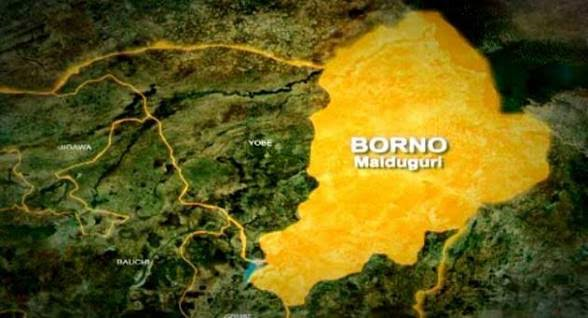
Borno Hires 2,000 Health Workers, Still Faces Staff Shortage
Borno State has recruited nearly 2,000 doctors, nurses and other health professionals in two years, but the head of its contributory health agency says manpower gaps persist as demand grows under the state health insurance scheme.
 Health
Lassa Fever Kills 268 in Nigeria as Cases Hit 1,138
Nigeria has recorded 1,138 confirmed Lassa fever cases and 268 deaths across 24 states in 2026, with the case fatality rate rising to 23.6 per cent—significantly higher than the 18.6 per cent recorded during the same period in 2025. The NCDC has identified five states accounting for 88 per cent of all confirmed cases, as it intensifies preparedness efforts ahead of the peak transmission season.
 Health
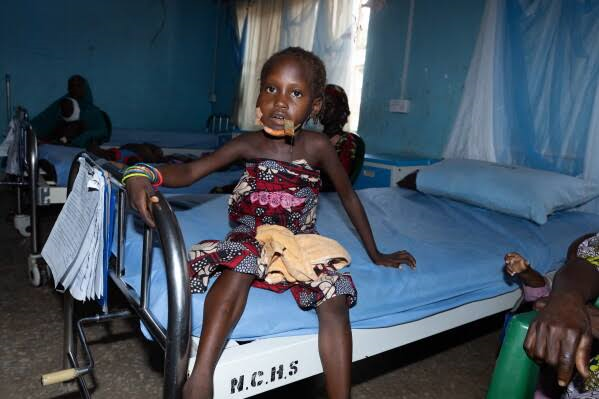
MSF Calls for Routine Noma Surveillance in Nigeria
Doctors Without Borders says noma, a fast-moving and often fatal facial infection linked to malnutrition and poverty, remains largely missing from Nigeria's routine child health programmes despite its 2023 recognition as a neglected tropical disease.
 Health
Oyo Rejects Diphtheria Outbreak Claims, Accuses APC
The Oyo State Government has dismissed claims by the Senator Sharafadeen Alli Campaign Organisation that diphtheria has affected 16 local government areas, describing the allegation as false and politically motivated. Commissioner for Health Dr. Oluwaserimi Ajetunmobi confirmed that while suspected cases have been recorded in 10 LGAs, none have been confirmed, and accused the APC campaign group of distorting immunisation data to score political points.
Comments (0)
Leave a comment
All comments are moderated before publishing. Your email is never published.