
Primate Ayodele Denies Defaming Kwankwaso, Says 2027 Comments Were Divine Prophecies
Primate Elijah Ayodele responds to defamation claims from Kwankwaso's camp, insisting his political warnings are divine messages and not personal attacks.
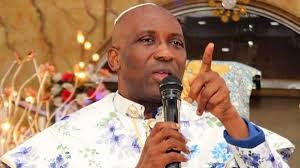
Popular cleric and leader of the INRI Evangelical Spiritual Church, Primate Elijah Ayodele, has broken his silence following allegations of defamation, insisting that his recent comments regarding Senator Rabiu Kwankwaso were divine revelations and not a smear campaign.**
Primate Ayodele has officially responded to the backlash from the Kwankwasiyya movement, clarifying that he has no personal vendetta or political agenda against the former Governor of Kano State, Senator Rabiu Musa Kwankwaso.
The controversy erupted after the cleric released a series of prophecies concerning the 2027 general elections, in which he suggested that Kwankwaso’s political influence might wane and that his current party, the Nigeria Democratic Congress (NDC), might face significant internal hurdles.
In a statement released on Thursday, Ayodele maintained that as a prophet, his primary responsibility is to deliver the messages he receives from God, regardless of whether they are favorable to political heavyweights or not.
“I do not hate Senator Kwankwaso; I don't even know him personally to want to defame him,” the Primate stated. “What I shared was a prophecy received from God. In the realm of the spirit, we see things before they happen. My duty is to warn people so they can take the necessary spiritual and physical steps to avert or navigate what is coming.”
He further argued that labeling a prophecy as "defamation" is a misunderstanding of his spiritual calling. He urged the Senator and his followers to focus on the spiritual warnings rather than attacking the messenger.
The Kwankwasiyya movement had earlier expressed dissatisfaction with Ayodele’s predictions, accusing the cleric of being used by political opponents to demoralize their supporters and create a false narrative about the Senator’s standing. Some supporters had even threatened legal action to protect the reputation of their leader.
However, Ayodele countered that his track record of prophecies across various sectors—including the economy and sports—speaks for itself. He noted that many of his past warnings, which were initially dismissed by politicians, eventually came to pass.
Concluding his statement, the INRI leader warned Nigerian politicians against trying to "silence God" by threatening prophets.
“Prophecy is not a matter of opinion or political analysis; it is a divine insight. Politicians should learn to be humble when God speaks. Instead of looking for lawyers to sue a prophet, they should look for the face of God to see how to fix the issues revealed,” Ayodele concluded.
As the 2027 political landscape continues to shift, the intersection of religion and politics remains a focal point in Nigeria’s public discourse, with clerics often playing a major role in shaping voter sentiment.
Related stories
 News
News
Rapper Ycee Opens Up on Six-Year Battle With Mental Health Issues
Nigerian rapper Ycee revealed he has battled bipolar disorder since 2020, detailing years of hospitalisation, therapy and creative struggles that affected his music career and personal life.
 News
News
State Police Not Enough, Nigeria Needs Highway, Tourist Cops – Ex-Osun Lawmaker
Former Osun lawmaker Olatunbosun Oyintiloye says Nigeria should establish highway and tourist police alongside state police, arguing that multiple specialised security structures are needed to tackle evolving threats.
 News
News
LASEMA Confirms 8 Dead, 26 Rescued in Lagos Building Collapse
LASEMA says eight persons, including a baby girl, died while 26 others were rescued alive after a three-storey shopping complex collapsed in Lagos. Rescue operations remain ongoing.
 News
News
INEC Suspends Staff Linked to Emeka Ike’s Voter Data Leak
INEC has suspended an electoral officer allegedly connected to the voter data leak involving actor Emeka Ike, while investigations continue into the unauthorised access and disclosure of records.
Comments (0)
Leave a comment
All comments are moderated before publishing. Your email is never published.