
Preaching, Hawking Ban in Commercial Vehicles Has Existed Since 2007 — Senate
Senate said preaching and hawking ban in commercial vehicles has existed since 2007, not newly introduced.
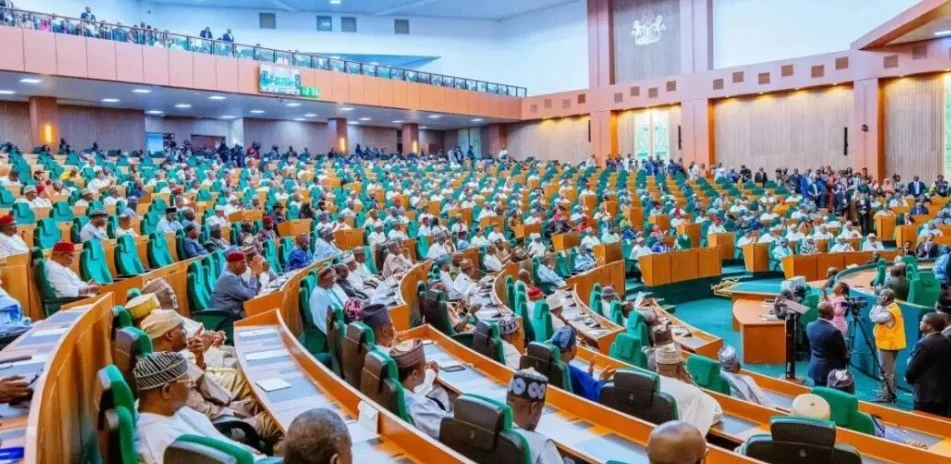
The Senate has clarified that the prohibition of preaching and hawking inside commercial vehicles is not a new provision introduced through the ongoing amendment of the Federal Road Safety Commission Establishment Act, insisting that the offences have been part of Nigerian law since 2007.
The clarification follows public criticism after reports emerged that the Senate passed the Federal Road Safety Corps (Amendment) Bill, 2026, proposing a ₦50,000 fine for anyone convicted of hawking, trading or preaching inside commercial vehicles.
In a statement issued on Monday by the Directorate of Media and Public Affairs in the Office of the Senate Leader, Opeyemi Bamidele, the upper chamber said the provision had long existed in the FRSC Establishment Act and the National Road Traffic Regulations.
“The Senate has duly noticed public concerns on the purported proscription of preaching and hawking in a commercial vehicle under the ongoing amendment to the Federal Road Safety Commission (Establishment) Act, No. 22, 2007,” the statement said.
According to the Senate, the offences are backed by Section 10(4) of the FRSC Establishment Act, 2007, and Regulation 220 of the National Road Traffic Regulations, 2012.
It explained that the provision previously appeared as Item 36 in the Second Schedule of the existing Act and has only been renumbered as Item 49 in the amended version currently before the National Assembly.
“Preaching and hawking in a commercial vehicle are offences. The offences have been part of the Act before the current amendment,” the statement added.
The Senate stressed that the legislation does not prohibit public or street preaching, dismissing claims circulating on social media that religious activities in public spaces would be criminalised.
It maintained that the provision was intended solely to promote the safety of commuters and other road users.
The Senate also clarified that Bamidele neither initiated nor sponsored the amendment bill, explaining that it originated from the House of Representatives and only required Senate concurrence in line with constitutional procedures.
It further noted that the amendment process had not been concluded and encouraged stakeholders with concerns to engage constructively before the legislation is finalised.
The proposed amendment also seeks stiffer penalties for several traffic offences, including increasing fines for driving under the influence of alcohol, reckless driving and speed limit violations to as much as ₦100,000, with some offences attracting prison terms.
Sponsored

Related stories
 News
News
Shoprite Set To Open Neighbourhood Stores After Shutdown
Shoprite Nigeria plans to open standalone neighbourhood stores after reopening three outlets, as investors pursue a strategy to cut costs and revive operations.
 News
News
Blaming Opposition For Hunger Is ‘Delusion’ — Atiku Tells Tinubu
Atiku Abubakar has accused President Tinubu of evading responsibility for Nigeria’s economic hardship after blaming opposition politicians for hunger and poverty.
 News
News
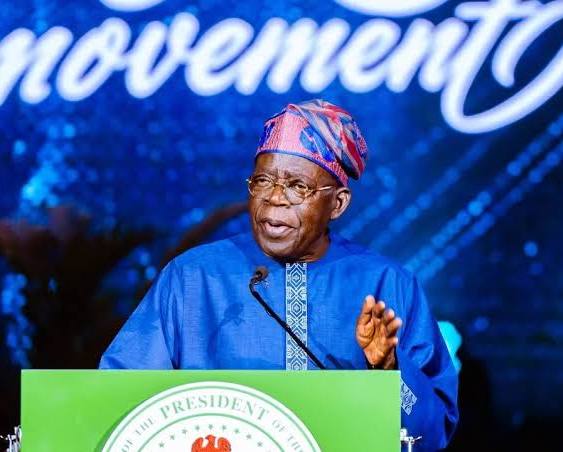
Tinubu Accuses Opposition of Creating Hunger, Poverty
President Bola Tinubu has accused opposition parties of creating the hunger and poverty they now criticise his administration over, insisting that his government is working to eradicate hardship and deliver economic prosperity.
 News
News
UNICEF, Sokoto Target One Million Children for Polio Vaccination
UNICEF and the Sokoto State Government are intensifying efforts to protect children against polio through vaccination, community mobilisation and public awareness, with emphasis on reaching every eligible child and addressing vaccine hesitancy.
Comments (0)
Leave a comment
All comments are moderated before publishing. Your email is never published.