
Payment System Key to Lifting Nigerians Out of Poverty — Cardoso
CBN Governor Olayemi Cardoso says an efficient payment system can help lift millions out of poverty, boost financial inclusion, drive economic growth, support businesses, and expand digital economic participation nationwide.
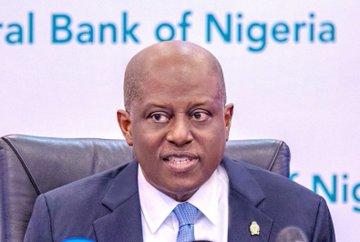
Governor of the Central Bank of Nigeria (CBN), Olayemi Cardoso, has said that building an efficient and inclusive payment system remains one of the fastest ways to reduce poverty and expand economic opportunities for millions of Nigerians.
Cardoso made the remark on Monday in Abuja during the unveiling of the Nigeria Payments System Vision 2028, a strategic roadmap designed to strengthen the country’s digital payment ecosystem and drive broader economic development.
According to the CBN governor, payment infrastructure should not be viewed merely as a platform for transferring money but as a critical tool for economic transformation, job creation, financial inclusion, and national growth.
“One of the fastest ways to take a large number of people out of poverty is through an efficient payments system,” Cardoso said while addressing regulators, financial institutions, fintech operators, development partners, and other stakeholders.
He noted that Nigeria has made significant progress in digital payments over the past two decades, emerging as one of the most innovative payment markets globally due to advancements in instant payments, financial technology, and digital banking solutions.
Cardoso explained that the Payments System Vision 2028 seeks to build a payment ecosystem that is secure, resilient, inclusive, and globally competitive. He described the initiative as more than a payment strategy, saying it represents a vision for how Nigerians will transact, save, invest, and participate in an increasingly digital economy.
The CBN governor emphasized that payment systems have become strategic national assets capable of reducing transaction costs, improving productivity, enhancing transparency, supporting trade, and encouraging wider participation in economic activities.
As part of the vision, the apex bank aims to achieve 95 percent financial inclusion by 2028, a target Cardoso said could bring an additional 50 million Nigerians, including market women, farmers, and young people, into the formal financial system.
He also outlined plans to reduce cash dependence, expand digital payment acceptance across markets and rural communities, strengthen fraud prevention mechanisms, and deepen open banking reforms to encourage innovation.
Cardoso stressed that the success of the initiative would ultimately depend on effective implementation, adding that the broader objective remains improving livelihoods, boosting economic output, and reducing poverty across the country.
Sponsored

Related stories
 News
‘You’re Ruining People’s Reputation’ — Reuben Abati Tells Police Over Declaration of Arise TV Owner Wanted
Arise News anchor Reuben Abati has questioned the police investigation, warning that declaring individuals wanted without diligence could damage their reputations.
 News
I Won’t Return to Edo Unless You Fix Your Roads, Pastor Benny Hinn Tells Okpebholo
International evangelist Benny Hinn has urged Edo Governor Monday Okpebholo to repair deteriorating roads, describing his recent journey as uncomfortable.
 News
Olubadan Advisory Council Removes 11 Mogajis in Ibadan
The Olubadan Advisory Council has revoked 11 Mogaji appointments over alleged irregularities, suspected improper installations and discrepancies in Ibadan’s traditional chieftaincy system.
 News
Police Declare Nestoil Chairman, Sahara Group’s ED, Seven Others Wanted
Police declared nine executives wanted over an alleged threat to FirstBank chief Olusegun Alebiosu after a suspicious parcel was delivered.
Comments (0)
Leave a comment
All comments are moderated before publishing. Your email is never published.