
Oyedele Says Subsidy Removal Exposed Nigeria’s Crude Oil Shortfall
Finance Minister Taiwo Oyedele says Nigeria lacks sufficient freely available crude oil to meet the needs of the Dangote Refinery and other domestic processors, despite producing about 1.8 million barrels daily. He says increased production is needed to close the supply gap.
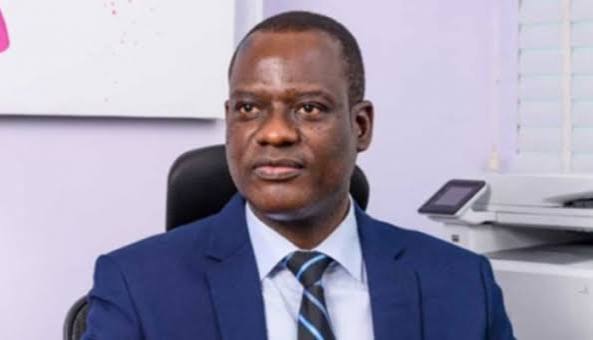
The Minister of Finance and Coordinating Minister of the Economy, Taiwo Oyedele, has said Nigeria’s crude oil production constraints remain a major obstacle to meeting the feedstock requirements of domestic refineries, despite the removal of petrol subsidy in 2023.
Oyedele said the country did not have enough freely available crude oil to supply the Dangote Refinery and other local processors, explaining that production costs, royalties and contractual obligations significantly reduced the volume available to the Federal Government.
He made the remarks during an interview on Channels Television’s Politics Today on Friday, amid renewed calls for government intervention in the petroleum sector and proposals to subsidise crude oil production for domestic refineries.
The minister said Nigeria produced approximately 1.8 million barrels of crude oil daily, but stressed that the entire volume did not belong to the government because of production-sharing contracts and joint ventures with oil companies.
He explained that crude oil production agreements determine how output is shared between the government and its partners, while operational costs and royalties further reduce the quantity available for allocation.
Oyedele said Nigeria currently had less than 700,000 barrels of crude oil freely available for allocation to buyers, including the Dangote Refinery.
He argued that proposals to supply crude oil at discounted rates must account for the country’s limited available volumes and the costs associated with production.
The minister acknowledged that the naira-for-crude policy introduced by President Bola Tinubu had helped provide some stability to domestic refining operations, but said the available supply remained insufficient to meet demand.
He expressed optimism that increased crude oil production would eventually enable the country to meet the requirements of the Dangote Refinery and other local processors.
Oyedele said his long-term ambition was for Nigeria to refine all the crude oil it produces locally and export only refined petroleum products, thereby increasing domestic value addition and reducing dependence on imported fuel.
The debate over crude oil supply has intensified alongside calls for the return of petrol subsidies following rising fuel prices and the cost-of-living pressures associated with the government’s economic reforms.
The Federal Government recently introduced a 30-day petrol discount at Nigerian National Petroleum Company Limited outlets, a measure that attracted debate over whether it represented a return to subsidy through a different mechanism.
Tinubu removed the petrol subsidy in 2023, arguing that the policy had become fiscally unsustainable. The decision, alongside foreign exchange reforms, contributed to higher living costs, although the administration has maintained that the changes were necessary to improve the economy’s long-term stability.
Oyedele’s remarks highlight the gap between Nigeria’s crude oil production and the volume available to domestic refiners, with increased production expected to be central to efforts to strengthen local refining capacity.
Sponsored
Related stories
 News
News
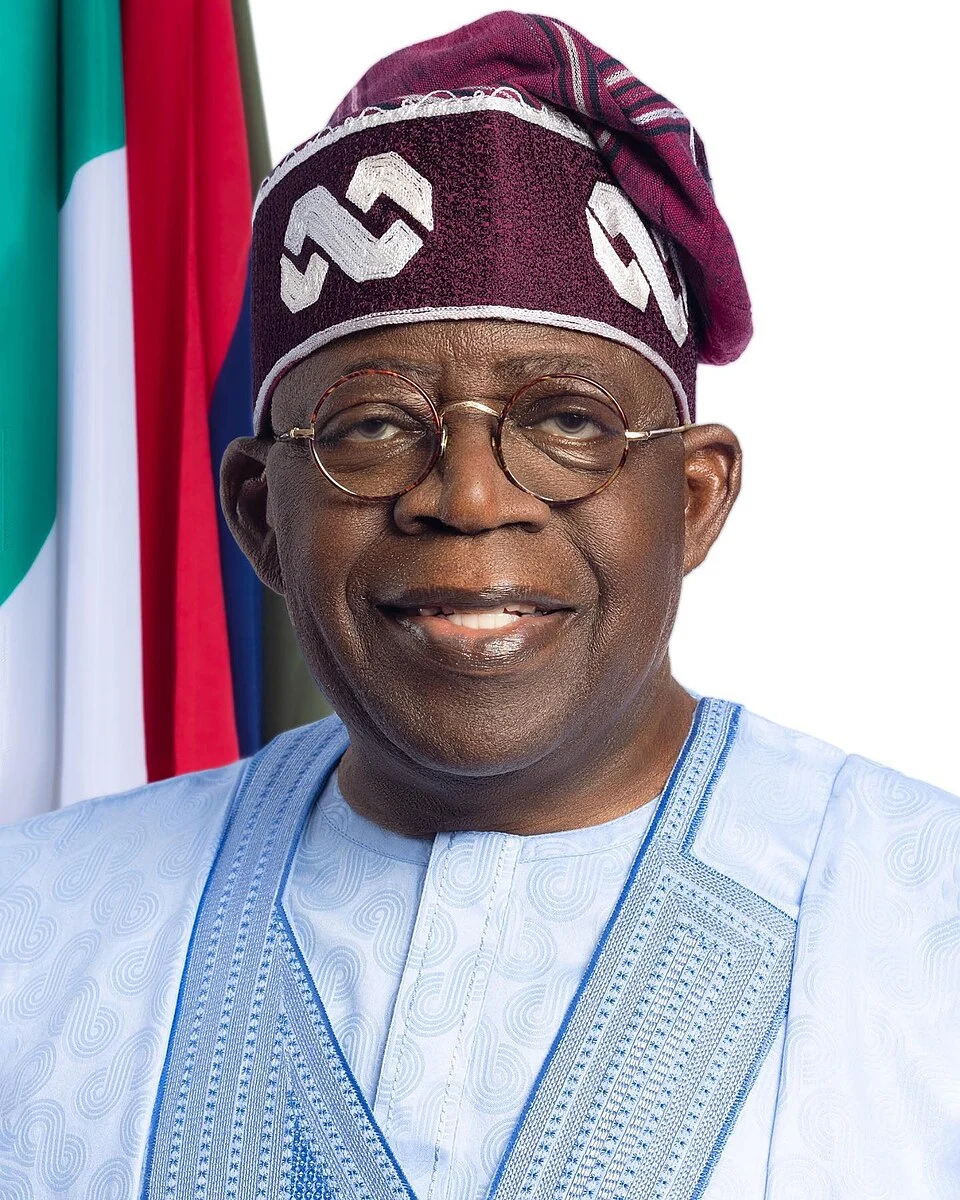
Tinubu’s US Case Takes Fresh Twist as Lobby Firm Leaks New Documents
A new court filing alleges Nigeria pays a US lobbying firm $750,000 monthly amid litigation over Tinubu’s records and case.
 News
News
Evacuations, Injuries at Riyadh Airport After Alleged Houthi Attack
Riyadh airport was evacuated after a new attack injured several people and suspended operations Saturday.
 News
News
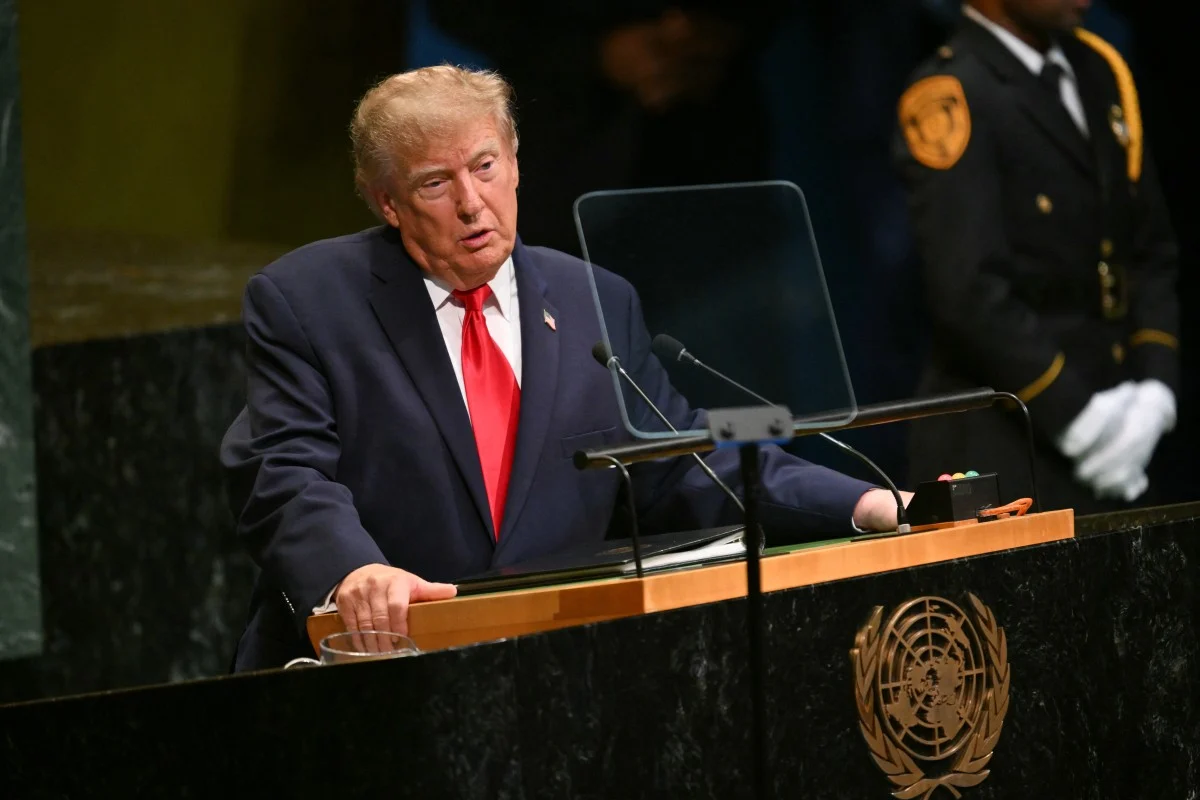
Ukraine Needs New President Who Will Agree to End War — Trump
US President Donald Trump has called for Ukraine to elect a new leader, accusing Volodymyr Zelenskyy of failing to secure peace with Russia.
 News
News
Soludo’s Wife Wins Africa Future Leadership Award
Anambra First Lady Nonye Soludo will receive the Public Health Innovation Award for promoting preventive healthcare and healthy living.
Comments (0)
Leave a comment
All comments are moderated before publishing. Your email is never published.