
NUJ Urges Bauchi Government to Intensify Response as Cholera Outbreak Spreads Across the State
The Nigeria Union of Journalists, Bauchi State Council, has called on the state government to urgently scale up its response to a rapidly spreading cholera outbreak that has claimed lives across multiple local government areas.
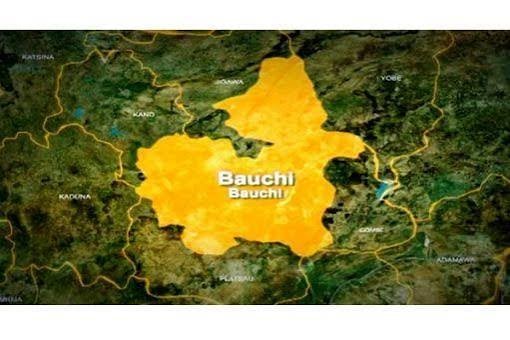
The Nigeria Union of Journalists (NUJ), Bauchi State Council, has called on the state government to urgently intensify its response to the cholera outbreak currently ravaging several communities across the state, warning that the disease was spreading rapidly and that delays in delivering a coordinated public health response could result in a significant loss of lives.
In a statement issued by the NUJ Council Chairman, the journalists' union expressed deep concern over the growing number of cases being reported across multiple local government areas of Bauchi State, noting that the rate of new infections and associated fatalities showed that the outbreak had moved beyond the capacity of affected communities to manage without robust government intervention.
The NUJ said it had observed with alarm that many communities were facing simultaneous shortages of oral rehydration salts, intravenous fluids, and trained healthcare personnel at primary health centres, leaving cholera patients in critical conditions with limited access to the basic, life-saving treatments that determine survival outcomes.
Cholera cases have been confirmed across more than ten local government areas in Bauchi State, according to health officials who briefed the state's emergency response committee. The outbreak is consistent with a broader national surge that has seen cholera spread rapidly across Nigeria's northern states, driven by the annual combination of seasonal flooding, contaminated water sources, and poor sanitation infrastructure in affected communities.
As of the most recent official count, Bauchi State has recorded several hundred confirmed and suspected cholera cases and multiple fatalities, placing it among the states hardest hit by the current national outbreak. Health workers in affected LGAs have reported that the true case count is likely significantly higher than officially documented, as many patients in rural communities are treated by local herbalists or simply managed at home without presenting to government health facilities.
The union outlined a series of specific actions it is calling on the Bauchi State Government to take immediately. First, the NUJ demanded the emergency deployment of medical teams and essential supplies — including intravenous fluids, oral rehydration salts, antibiotics, and personal protective equipment , to the most affected communities, many of which have reported that primary health centres are running out of critical supplies.
Second, the union called for the immediate activation of mobile health outreach units to reach communities that are geographically isolated or where fear, stigma, and limited health literacy are preventing affected residents from seeking care at formal health facilities.
Third, NUJ demanded the urgent deployment of water treatment resources and the chlorination of boreholes and community water points in all affected local government areas, noting that contaminated water remains the primary transmission route for cholera and that breaking the chain of infection requires water safety interventions alongside medical treatment.
Fourth, the union called for the establishment of dedicated cholera treatment centres in the highest-burden areas to reduce the pressure on general hospitals, which are struggling to manage the influx of patients while maintaining services for other health conditions.
The NUJ also emphasised the critical role of accurate, consistent, and community-appropriate public health communication in containing the outbreak. The union pledged to use its platform and the reach of its members — journalists across print, broadcast, and digital platforms in the state ,to actively support the dissemination of life-saving cholera prevention and treatment information.
However, the union also called on the state government to take direct responsibility for funding and coordinating a mass public education campaign, arguing that official government messaging carries authority and credibility that voluntary media support alone cannot replicate.
The NUJ said misinformation about cholera , including myths about its causes, transmission, and treatment , was contributing to delayed care-seeking in some communities and undermining the effectiveness of community-based prevention measures. A coordinated, evidence-based communication strategy, the union argued, was as important as the medical response.
The Bauchi outbreak is part of a severe national cholera surge that has affected over 30 states across Nigeria in 2026. The Nigeria Centre for Disease Control and Prevention has declared the situation a Public Health Emergency of National Concern and has been coordinating a multi-partner response involving state governments, the World Health Organisation, UNICEF, and other international and domestic partners.
Nigeria's cholera burden is driven by a combination of structural factors that recur with particular intensity during the rainy season: flooding that contaminates water sources, open defaecation in communities lacking sanitation facilities, inadequate safe water supply in rural and peri-urban areas, and a primary healthcare system that in many locations lacks the supplies and personnel to respond effectively to surge demand.
Health advocates have long argued that cholera is ultimately a disease of poverty and infrastructure deficiency, and that durable solutions require not just emergency medical responses but sustained investment in water, sanitation, and hygiene infrastructure and in the primary healthcare system's preparedness capacity.
The NUJ statement reflects the growing willingness of the journalists' union to engage with public health advocacy beyond its traditional role of defending press freedom and the welfare of its members. The Bauchi Council's decision to issue a public call to action on the cholera outbreak recognises that journalists, as communicators and community influencers, have a role to play in mobilising both government action and public behaviour change during health emergencies.
The union called on journalists across Bauchi State to report responsibly on the outbreak, prioritising accuracy, avoiding sensationalism, and centering the voices and experiences of affected communities in their coverage.
It also appealed to international development partners, non-governmental organisations, and the private sector to increase their support for the state's cholera response, noting that the scale of the outbreak exceeded what the state government could manage with available resources alone.
The union expressed confidence that a coordinated, well-resourced response could quickly bring the outbreak under control, provided that the political will to act decisively and transparently was matched by the operational and financial resources needed to deliver effective care and prevention at scale.
Sponsored
Related stories
 Health
Diri Orders Free Quarterly Health Checks for All Bayelsa Residents at Secondary Facilities
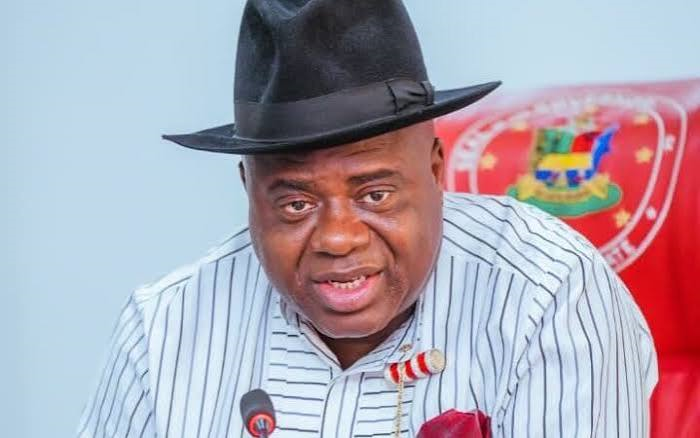
Governor Douye Diri has directed Bayelsa's Ministry of Health to begin free quarterly medical check-ups across all eight local government areas, aimed at helping residents who cannot afford routine screening and promoting early detection of diseases.
 Health
‘Priceless Gift of Sight’ Reaches 400,000 Beneficiaries
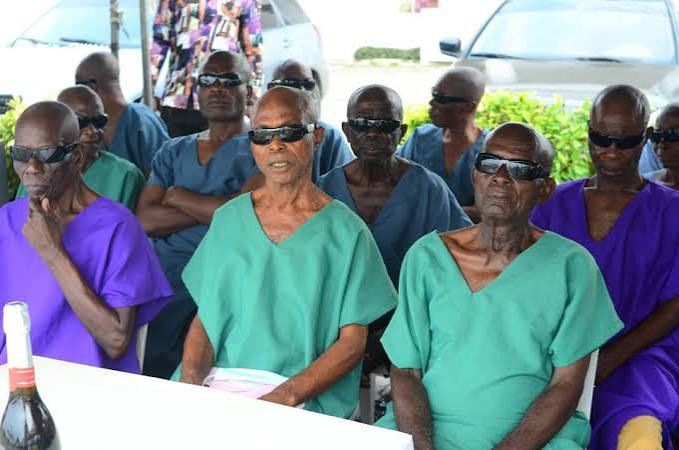
FCMB and the Tulsi Chanrai Foundation say their 15-year eye care partnership has reached over 400,000 Nigerians, as a World Sight Day roundtable in Abuja pushes for private-sector funding to sustain and expand care.
 Health
FUNAAB Launches Africa’s First AI Disease Surveillance System
Researchers at the Federal University of Agriculture, Abeokuta, have developed IDS-Master, a groundbreaking AI-powered surveillance system that detects infectious disease outbreaks in real time by analysing reports from community leaders, health agents, and ordinary residents. Described as Africa's first fully AI-driven event-based surveillance platform, the innovation promises to bridge critical gaps in outbreak detection across underserved rural communities where delays in reporting can cost l
 Health
NAFDAC Seeks Global Partners for Local Vaccine Production
The Director-General of the National Agency for Food and Drug Administration and Control (NAFDAC), Prof. Mojisola Adeyeye, has called on international partners to support the establishment of vaccine manufacturing facilities in Nigeria, saying local production is the missing link in the agency’s push to attain World Health Organisation Maturity Level 4 for vaccine lot release. She spoke at the 8th Nigeria Pharma Manufacturers’ Expo in Lagos, where she commended President Bola Tinubu’s Executive
Comments (0)
Leave a comment
All comments are moderated before publishing. Your email is never published.