
Nigeria Targets 209,000MW Power Capacity With $11bn Solar Projects
Nigeria is advancing 53 solar projects valued at $11 billion as part of plans to achieve 209,000MW power capacity by 2050 and expand electricity access through renewable energy initiatives.
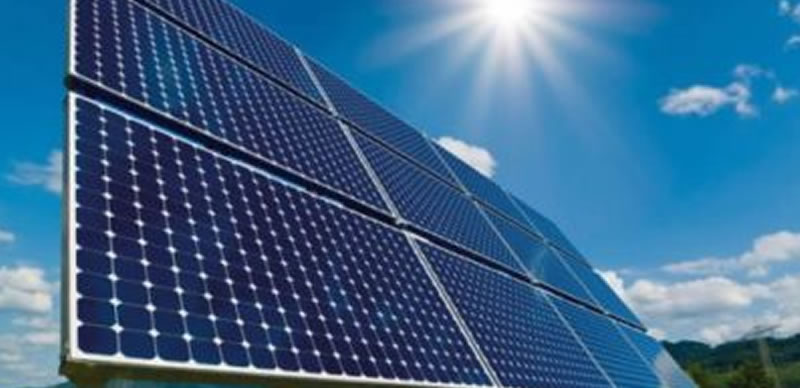
Nigeria is pursuing an ambitious energy expansion plan aimed at achieving 209,000 megawatts of electricity generation capacity by 2050, with 53 large-scale solar power projects worth an estimated $11 billion currently underway across the country.
According to a report by IIR, the projects form part of a growing pipeline of renewable energy investments designed to strengthen Nigeria’s power mix, improve electricity access and support the country’s long-term energy transition goals. The report noted that increasing investor interest in solar energy is driving the development of utility-scale projects expected to play a major role in future electricity generation.
Alongside these projects, the Federal Government is expanding access to electricity through solar mini-grids and off-grid systems in rural and underserved communities. The initiative, being implemented by the Rural Electrification Agency (REA), involves the deployment of more than 1,300 solar mini-grids and off-grid power systems nationwide.
The programme includes 250 interconnected mini-grids that will feed electricity directly into the national grid, helping to improve supply stability and reduce dependence on diesel-powered generators. The project is supported by $750 million in public funding and is expected to attract an additional $1.1 billion in private sector investment.
REA Managing Director, Abba Aliyu, described the initiative as one of the largest publicly funded renewable energy projects globally, saying it would significantly boost electricity access and position Nigeria as a renewable energy hub in Africa.
Aliyu said the government aims to provide electricity to about 17.5 million Nigerians within three years through structured renewable energy programmes. He added that renewable energy offers the most viable and cost-effective solution to the country’s electricity challenges due to the abundance of solar resources.
Nigeria has already deployed more than 1,000 mini-grids across the country, with over half financed by the REA. Additional support is coming from the World Bank-backed Distributed Access through Renewable Energy Scale-up programme, which seeks to expand rural electrification and replace more than 250,000 diesel generators with cleaner energy alternatives.
Data from the Global Solar Council showed that Nigeria added 803MW of solar capacity in 2025, bringing total installed solar capacity to about 1,019MW. The Federal Government targets renewable energy contributions of 30 per cent by 2030 and 82 per cent by 2050 as part of its net-zero emissions commitment.
Sponsored

Related stories
 News
News
IMF Says Nigerians Still Face High Living Costs Despite Economic Growth
The International Monetary Fund has urged the Federal Government to introduce targeted cash transfers and temporary income support for vulnerable households as food and energy costs continue to strain Nigerians despite improved economic growth.
 News
News
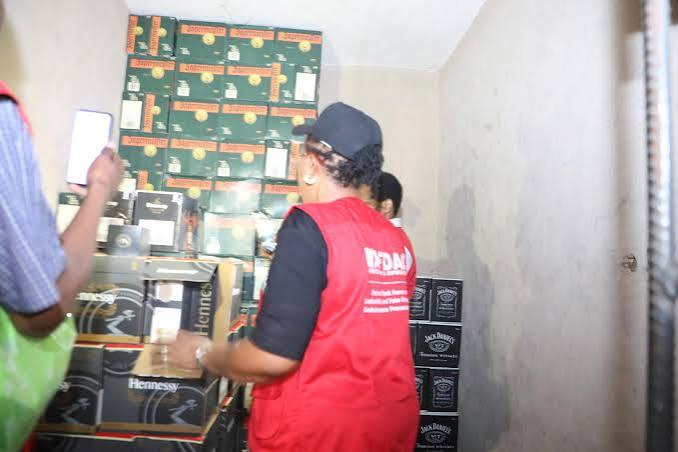
NAFDAC Arrests Two over Suspected Fake Drinks Operation in Lagos
NAFDAC has arrested two suspects at a facility in Lagos’ Trade Fair Complex over the alleged revalidation and repackaging of expired energy drinks, wines and whisky, warning of the health risks posed by counterfeit beverages.
 News
News
LCCI Proposes 20% Petrol Price Cut Within Six Months
The Lagos Chamber of Commerce and Industry has urged the Federal Government to introduce a six-month programme targeting a 15 to 20 per cent reduction in petrol pump prices to ease rising energy, transport and operating costs.
 News
News
Nigeria’s Private Capital Inflows Rise to $6bn as Reforms Gather Pace
World Bank Group President Ajay Banga says Nigeria’s private capital inflows have risen from about $300 million in 2023 to nearly $6 billion in 2026, while the Federal Government reports an increase in the tax-to-GDP ratio to 12.5 per cent.
Comments (0)
Leave a comment
All comments are moderated before publishing. Your email is never published.