
Nigeria Shifts to Algorithmic Warfare with New AI Defense System Deployment
Federal Government of Nigeria is advancing a new defence modernization programme called the Hybrid Intelligence Shield (HIS), aimed at integrating artificial intelligence, drones, and autonomous systems into national security operations. Led by Defence Minister Christopher Musa, the initiative focuses on AI-driven surveillance, anti-drone technology, and real-time command-and-control hubs to strengthen responses to insurgency, banditry, and oil theft. The project also includes international part
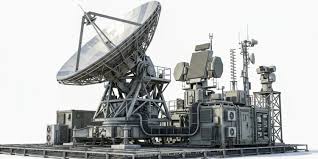
The Nigerian Ministry of Defense is pivoting toward a modern, tech-driven national security infrastructure by deploying the Hybrid Intelligence Shield (HIS) project, a cutting-edge defense ecosystem integrating artificial intelligence, drones, and autonomous technologies, Technology Times reports.
The initiative marks Nigeria's official transition into algorithmic warfare as the country battles complex, multi-faceted security challenges, including insurgency in the North-East, banditry in the North-West, and crude oil theft in the Niger Delta. The Minister of Defense, Christopher Musa, led a high-level Nigerian delegation to Monaco, France, to finalize the multi-domain defense blueprint.
To execute and sustain this advanced defense layer, the Federal Government is leveraging strategic international partnerships with prominent defense tech firms, including MARSS UK Ltd and MPS Mikopowers.
Key pillars of the new algorithmic defense architecture include:
- AI-Driven Surveillance: The integration of sophisticated surveillance systems that utilize smart, automated algorithms to rapidly scan, detect, and identify potential human and asset security threats in real time.
- Anti-Drone Interception: The deployment of advanced anti-drone armor designed to intercept, jam, and neutralize unmanned aerial threats (UAVs) before they can breach restricted airspace.
- National & Regional Command Hubs: The establishment of synchronized, tech-driven command-and-control centers across the country to ensure real-time coordination, rapid multi-agency communication, and localized tactical responses.
- Domestic Technology Transfer: A heavy programmatic focus on local capacity building, anchored by plans to establish a military Centre of Excellence in Nigeria. This center will focus on developing homegrown expertise in robotics, autonomous systems, and advanced defense manufacturing.
Military officials and security analysts emphasize that transitioning from traditional reactive policing to a predictive, data-backed defense model is essential for fortifying border security, protecting vital urban centers, and crippling high-risk criminal operations such as illegal mining and maritime piracy.
Sponsored

Related stories
 Tech & Education
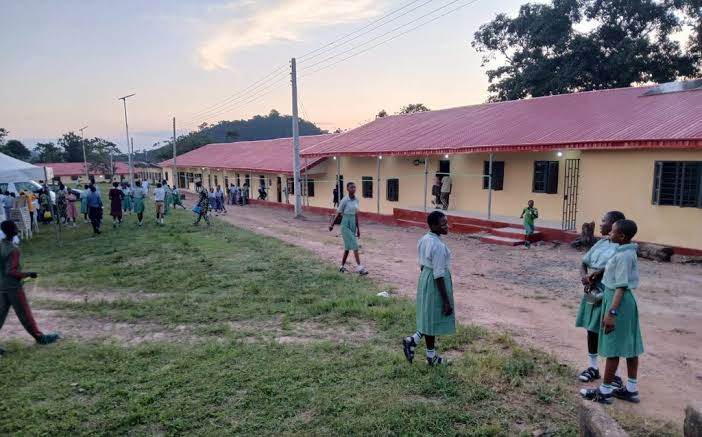
Bamidele Unveils N200m Renovated Science College
Senate Leader Opeyemi Bamidele has commissioned the renovated Government Science College, Iyin-Ekiti, personally funded at over N200 million, donating buses to the school and nearby FUTESI while promising a second phase of upgrades.
 Tech & Education
Abia Students Crowned Global Debate Champions
Students from public schools in Abia State, representing Nigeria, have emerged overall champions at the 2026 International Schools Debate Championship in Doha, Qatar, winning four major trophies and 12 laurels after defeating teams from Jordan, India, Qatar, the Philippines, Kenya and others. The historic victory has been hailed as proof that Governor Alex Otti's education reforms are producing world-class scholars.
 Tech & Education
WAEC Appoints Suleiman Kum as New Head of Nigeria National Office
The West African Examinations Council has appointed 56-year-old Suleiman Danlami Kum as the new Head of the Nigeria National Office, succeeding Dr Amos Josiah Dangut, who has assumed office as the council’s Registrar and Chief Executive Officer. A seasoned test developer, administrator and executive with 28 years of service, Kum is expected to drive technological innovation and examination security across Nigeria’s foremost examinations body.
 Tech & Education
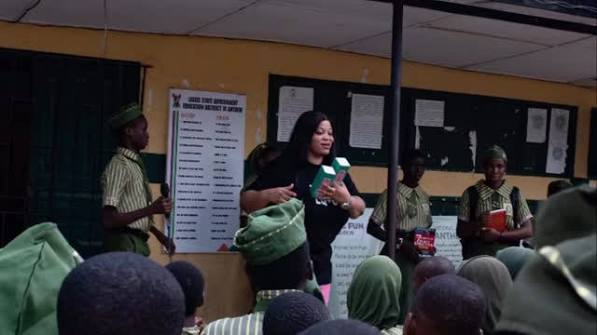
Emmanuel College ’88 Set Renovates Classrooms, Pays Exam Fees
The Progressives of the Unique 1988 Set of Emmanuel College Owerri have unveiled a renovated five-classroom block and paid NECO and WAEC fees for financially disadvantaged students at their alma mater.
Comments (0)
Leave a comment
All comments are moderated before publishing. Your email is never published.