
Nigeria Raises N748.6bn From FGN Bonds as Rates Ease
Nigeria raises N748.64bn from FGN bonds as investor demand stays strong despite easing rates.
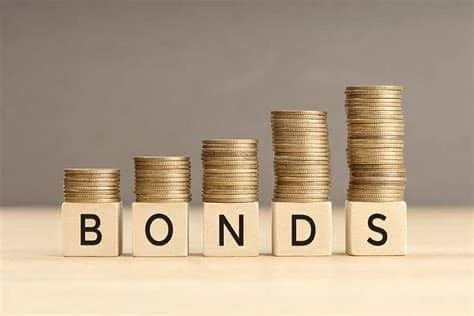
The Federal Government raised N748.64bn from its September 2026 domestic bond auction, as investors maintained strong demand for government securities despite easing rates.
The Debt Management Office offered N1tn across two Federal Government of Nigeria bonds in the September auction, comprising a new 10-year instrument and a reopening of a 15-year bond.
Investors submitted total bids of about N1.49tn, representing roughly 49.5 per cent above the amount offered. The strong subscription indicated continued appetite for government debt, particularly among institutional investors seeking relatively attractive returns.
The DMO ultimately allotted N748.64bn, leaving about N746.59bn of bids unaccepted.
For the new 10-year bond, the government offered N400bn and received bids worth N546.90bn. The DMO allotted N288.83bn at a marginal rate of 16.79 per cent.
The 15-year bond, which was reopened with an offer of N600bn, attracted even stronger demand. Investors submitted bids totalling N947.83bn, while the DMO allotted N460.01bn at a marginal rate of 16.85 per cent.
The rate on the 15-year instrument represents a notable decline from the 17.79 per cent marginal rate recorded at the previous auction, indicating some easing in borrowing costs for longer-term government securities.
The latest auction also showed that demand remained concentrated toward longer-dated instruments, as investors continued to seek higher returns in the fixed-income market.
The September outcome comes as the Federal Government continues to depend heavily on domestic borrowing to finance budgetary requirements and manage its debt obligations.
Data from the DMO showed that the government had offered N8.35tn through FGN bond auctions between January and September 2026, while actual allotments during the period stood at about N7.14tn.
The latest figures also come amid a broader easing in bond yields, with investors appearing increasingly willing to accept lower returns on some government securities.
Market participants will now monitor trading in the secondary bond market, where movements in FGN bond yields influence pricing across other fixed-income instruments, including Treasury bills and corporate bonds.
The strong overall subscription, despite the lower rates, suggests that demand for Nigerian government securities remains firm as investors assess available opportunities in the domestic fixed-income market.
Sponsored

Related stories
 News
News
NPHCDA Completes Renovation of 3,526 Primary Healthcare Centres
The National Primary Health Care Development Agency says it has renovated and handed over 3,526 healthcare centres nationwide, with work continuing at 908 others to improve access to essential medical services.
 News
News
Army Destroys Lakurawa Camps in Sokoto, Kills Terrorists
Nigerian Army troops have destroyed Lakurawa terrorist camps in Waria Forest, Sokoto State, killing several fighters and recovering weapons and five motorcycles during a military operation.
 News
News
NHIA Raises Fee-for-Service Payments to Hospitals by 373 Per Cent
The National Health Insurance Authority has increased reimbursements to healthcare providers by 373 per cent and doubled capitation payments, as part of efforts to improve care quality, expand insurance coverage and restore public confidence.
 News
News
Nigeria’s Inflation Rate Drops to 14.63 Per Cent in September
Nigeria’s headline inflation rate fell to 14.63 per cent in September 2026 from 15.39 per cent in August, according to the National Bureau of Statistics, although food inflation remained elevated.
Comments (0)
Leave a comment
All comments are moderated before publishing. Your email is never published.