
Nigeria Has No Business with Poverty, Says Obasanjo
Former President Olusegun Obasanjo says Nigeria has enough natural and human resources to overcome poverty, but policy inconsistency, corruption, oil theft and poor revenue management have hindered development.
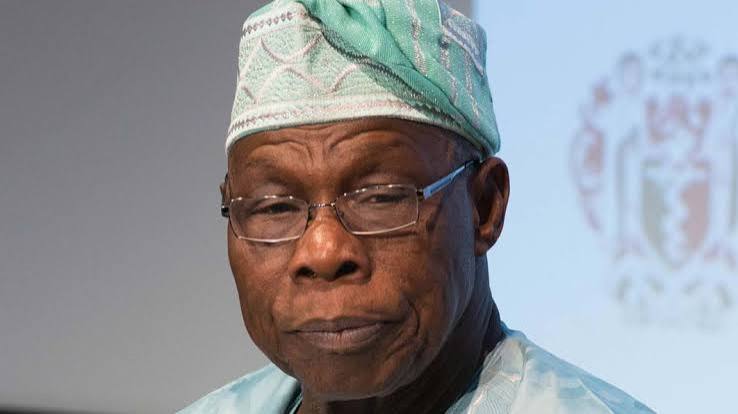
Former President Olusegun Obasanjo has said Nigeria has no reason to remain poor, given its abundant natural resources, agricultural potential and human capital.
Obasanjo made the remarks during an interview on C-Suite Café, where he examined Nigeria’s economic challenges and the country’s failure to fully utilise its available resources.
He said Nigeria had millions of hectares of arable land, favourable climatic conditions and abundant water resources capable of supporting food production and large-scale agricultural exports.
The former president also identified the country’s human capital as a major resource, citing the entrepreneurial and intellectual capacity of Nigerians at home and in the diaspora.
He said solid minerals, crude oil and natural gas could also help diversify government revenue and strengthen the economy.
Obasanjo, however, blamed policy inconsistency for some of the country’s economic difficulties, particularly the abandonment of long-term programmes and agricultural initiatives whenever administrations changed.
He also expressed concern over public borrowing, recalling the debt relief secured by his administration, which he said amounted to about $30bn in 2005 and 2006.
The former president identified corruption, crude oil theft and leakages in revenue generation as other factors preventing Nigeria from effectively deploying its resources for development.
According to him, tackling poverty requires political will, continuity in policies, particularly those relating to food security, as well as fiscal accountability at all levels of government.
Obasanjo said Nigeria’s economic challenges could be addressed if its resources were properly managed and successive administrations maintained policies capable of delivering sustainable, long-term development.
Sponsored

Related stories
 News
News
Ogun CP Summons Four Officers Over Viral Assault Video
Ogun Police apprehend four officers after a viral video showed them attempting to arrest a man over his camouflage shorts in Ijagba.
 News
News
France Counts Cost of Violent Protests as 1,800 Arrested
France assesses widespread damage after violent protests over living costs leave a historic town hall burned, shops looted and hundreds injured.
 News
News
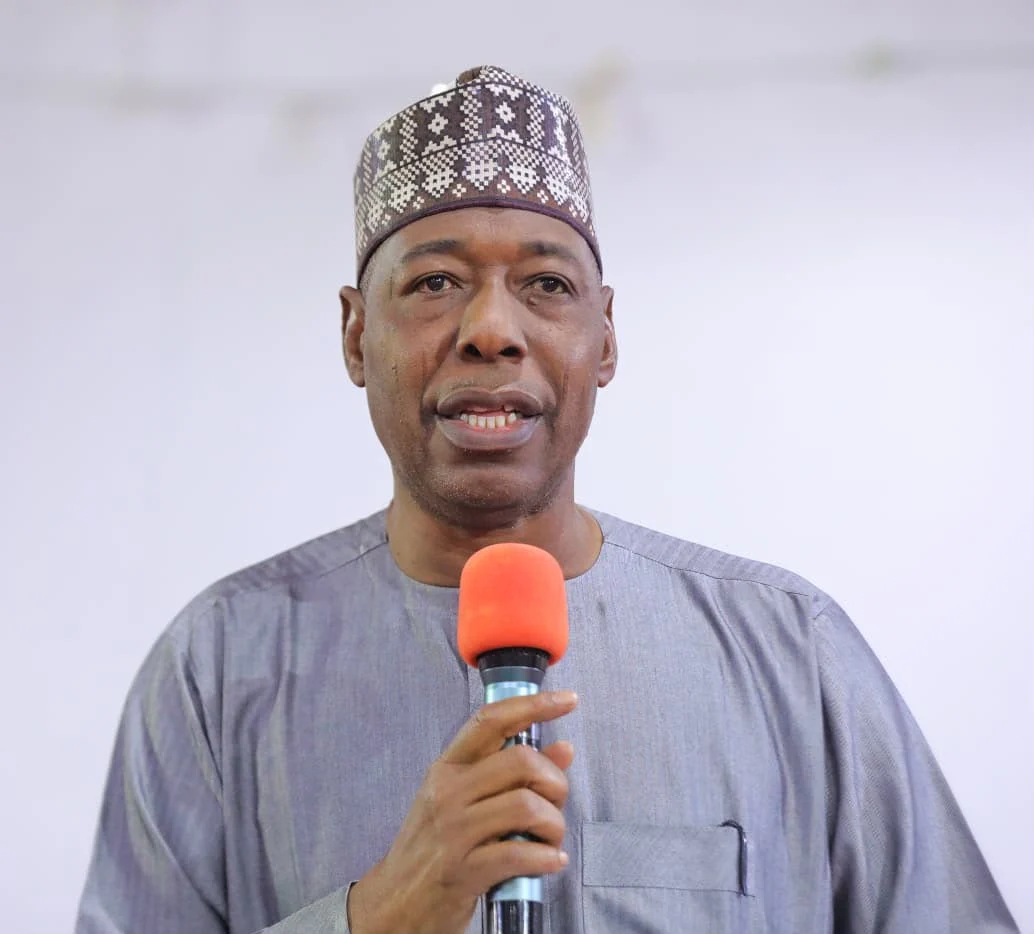
Scavengers Stole Wires from N3bn Power Line — Zulum
Borno Governor Babagana Zulum accuses metal scavengers of stealing power-line wires, warning that vandalism threatens public infrastructure and electricity supply.
 News
News
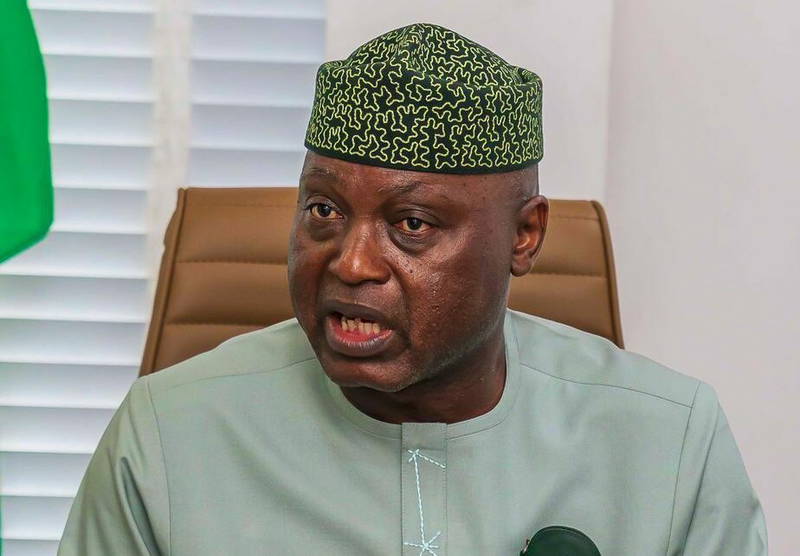
Oyebanji Credits Tinubu’s Policies for Ekiti Development
Ekiti Governor Biodun Oyebanji says President Tinubu’s economic policies have increased state resources, helping his administration advance development across key sectors.
Comments (0)
Leave a comment
All comments are moderated before publishing. Your email is never published.