
Nigeria Has Just 169 Neurosurgeons for 230 Million People, Brain Health Advocate Warns
Chika Okwuolisa, founder of Brain and Spine Foundation Africa, says Nigeria's neurological disorders burden is rising sharply even as the country grapples with a severe shortage of specialists, following the country's first official commemoration of World Brain Day
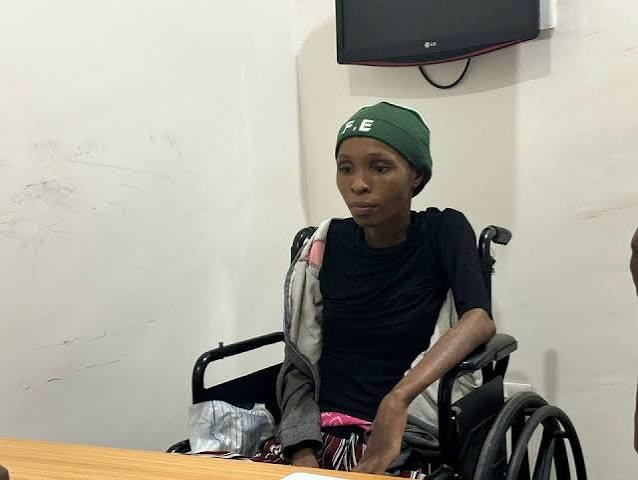
Nigeria officially commemorated World Brain Day for the first time this year, a development the founder of Brain and Spine Foundation Africa, Chika Okwuolisa, has described as a historic milestone for the country's brain health advocacy community, even as she warned that neurological disorders continue to rise sharply across the country.
Speaking in an interview, Okwuolisa said the commemoration, observed globally under the theme "Brain Health: Access for All," sends a strong signal that brain health is finally beginning to receive the attention it deserves in Nigeria. World Brain Day was established by the World Federation of Neurology in collaboration with the World Health Organisation to promote awareness of brain health and advocate for equitable access to neurological care worldwide. She commended the Federal Ministry of Health and Social Welfare for taking the step of officially commemorating the day, describing it as a clear indication that government is beginning to recognise the enormous burden neurological disorders place on individuals, families and the wider healthcare system.
Okwuolisa explained that brain health extends far beyond the popular association with mental illness, encompassing conditions such as stroke, epilepsy, Parkinson's disease, dementia, brain tumours, traumatic brain injuries, spinal cord injuries and various developmental neurological disorders. She argued that because these conditions affect people's ability to work, learn and care for their families, brain health should be treated as a national development issue rather than merely a medical concern, since neglecting it ultimately costs the country breadwinners, parents, skilled workers and valuable human capital.
Providing some of the starkest figures in the interview, Okwuolisa revealed that Nigeria currently has only about 169 neurosurgeons serving a population of approximately 230 million people , a ratio she said does not even account for specialists who have since relocated abroad. She said the shortage means countless patients cannot access timely specialist care, with some hospitals having no neurological specialists whatsoever, leaving patients who arrive with severe brain injuries, strokes or brain tumours with nobody available to treat them, delays she said can result in permanent disability or death.
She linked the shortage directly to the ongoing emigration of Nigerian healthcare professionals, noting that the country invests heavily in training specialists, many of whom eventually leave for better opportunities abroad, steadily shrinking the country's already limited pool of neurologists and neurosurgeons. She called on government to create conditions that encourage specialists to remain and practise locally, arguing that retention deserves as much policy attention as training.
Beyond workforce shortages, Okwuolisa identified financial barriers and inadequate infrastructure as major obstacles facing patients and their families. She said neurological conditions rank among the most expensive to manage, requiring specialised investigations, surgery, rehabilitation, physiotherapy and long-term follow-up that many Nigerian families simply cannot afford. She added that many hospitals still lack CT scanners, MRI machines and other essential diagnostic equipment, and that even where such equipment exists, maintenance remains a persistent challenge.
She welcomed the Federal Ministry of Health's announcement of a dedicated Brain Health Desk and plans to develop Nigeria's first National Brain Health Agenda, describing the initiatives as encouraging steps that could move brain health advocacy beyond awareness campaigns into structured national policy planning, provided implementation matches the commitments already expressed.
On public awareness, Okwuolisa said many Nigerians fail to recognise the warning signs of stroke until it is too late, while others mistake epilepsy for spiritual attacks or dismiss memory loss as a normal part of ageing rather than a possible sign of dementia. She stressed that early diagnosis significantly improves outcomes for many neurological conditions, and urged Nigerians to seek prompt medical attention rather than relying on self-medication or traditional remedies.
Addressing policymakers directly, Okwuolisa called for increased budgetary allocation to neurological healthcare, expanded specialist training, improved diagnostic facilities, stronger rehabilitation services and greater investment in research, warning that ignoring the rising burden of brain disorders would only increase disability, healthcare costs and long-term economic losses for the country.
She concluded by urging Nigerians to recognise that brain health affects everyone regardless of background, noting that many neurological disorders can be prevented, detected early, or effectively managed when people seek care promptly, and called for a collective effort involving government, healthcare professionals, civil society, the media and individual citizens to reduce stigma and expand access to neurological care nationwide.
Sponsored

Related stories
 Health
Borno Hires 2,000 Health Workers, Still Faces Staff Shortage
Borno State has recruited nearly 2,000 doctors, nurses and other health professionals in two years, but the head of its contributory health agency says manpower gaps persist as demand grows under the state health insurance scheme.
 Health
Lassa Fever Kills 268 in Nigeria as Cases Hit 1,138
Nigeria has recorded 1,138 confirmed Lassa fever cases and 268 deaths across 24 states in 2026, with the case fatality rate rising to 23.6 per cent—significantly higher than the 18.6 per cent recorded during the same period in 2025. The NCDC has identified five states accounting for 88 per cent of all confirmed cases, as it intensifies preparedness efforts ahead of the peak transmission season.
 Health
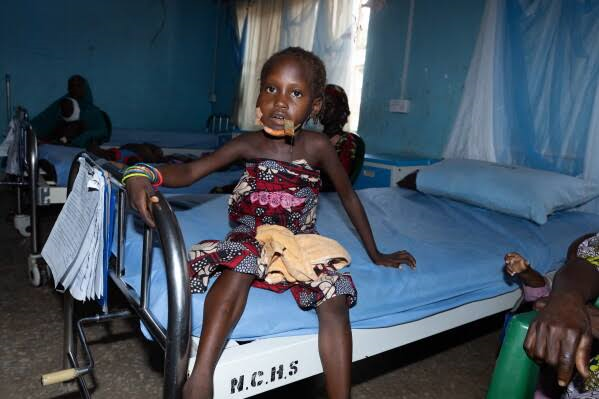
MSF Calls for Routine Noma Surveillance in Nigeria
Doctors Without Borders says noma, a fast-moving and often fatal facial infection linked to malnutrition and poverty, remains largely missing from Nigeria's routine child health programmes despite its 2023 recognition as a neglected tropical disease.
 Health
Oyo Rejects Diphtheria Outbreak Claims, Accuses APC
The Oyo State Government has dismissed claims by the Senator Sharafadeen Alli Campaign Organisation that diphtheria has affected 16 local government areas, describing the allegation as false and politically motivated. Commissioner for Health Dr. Oluwaserimi Ajetunmobi confirmed that while suspected cases have been recorded in 10 LGAs, none have been confirmed, and accused the APC campaign group of distorting immunisation data to score political points.
Comments (0)
Leave a comment
All comments are moderated before publishing. Your email is never published.