
Niger Records 17 Diphtheria Deaths as Cases Rise to 124
Niger State has recorded 124 diphtheria cases and 17 deaths in seven months, with officials blaming poor vaccination coverage and warning that unvaccinated children remain at greatest risk
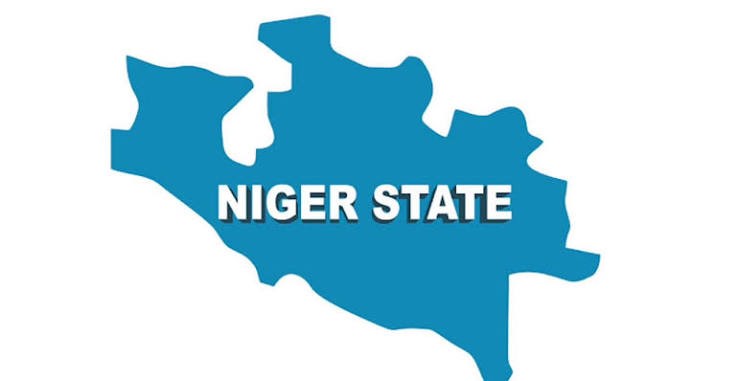
Niger State has recorded 17 deaths from diphtheria after 124 cases were reported in three local government areas over the past seven months. The state government said the outbreak had been largely contained, but warned that poor vaccination coverage remained a major concern.
The Commissioner for Health, Dr Murtala Muhammad Bagana, disclosed the figures during a press briefing in Minna. He said the cases were recorded in Bida, Suleja and Shiroro local government areas, with 103 patients treated and discharged.
According to the commissioner, three new cases had recently been identified, while one patient remained on admission. The government said surveillance and case management had been intensified to prevent further spread of the disease.
Diphtheria is a serious and potentially fatal bacterial infection that usually affects the throat and airways. It can make breathing difficult and may lead to complications involving the heart, kidneys and nervous system. The disease is vaccine-preventable, but children who miss routine immunisation remain vulnerable to infection.
Bagana said the state had curtailed the spread of the outbreak in the three affected local government areas. However, the number of deaths has raised concern about the importance of early diagnosis, prompt treatment and complete vaccination among children.
The Director of Disease Control and Immunisation in the state, Dr Samuel Jiya, attributed the outbreak largely to poor vaccination coverage. He said investigations showed that some affected children had received only one dose of the pentavalent vaccine, while others, including children aged nine and 10, had never been vaccinated.
The pentavalent vaccine protects children against several serious diseases, including diphtheria, tetanus, pertussis, hepatitis B and *Haemophilus influenzae* type b. Children need to receive the recommended doses at the appropriate ages to develop adequate protection.
Health officials said incomplete immunisation can create gaps that allow vaccine-preventable diseases to return. Children who receive only one dose may not have sufficient protection, while those who miss routine vaccination altogether face a much higher risk of severe illness during an outbreak.
The Niger outbreak is therefore not only a treatment challenge but also a warning about gaps in routine immunisation. Factors such as misinformation, limited access to health facilities, poor follow-up, insecurity, population movement and inadequate awareness can prevent children from completing their vaccines.
The state government has intensified surveillance in affected communities to identify new cases quickly. Health workers are also monitoring patients and contacts, strengthening case management and providing public information on symptoms and prevention.
Residents have been urged to take children with symptoms such as persistent sore throat, fever, weakness, difficulty breathing or a thick grey coating in the throat to a health facility immediately. Early treatment can reduce the risk of complications and death, while delaying care can allow the disease to worsen rapidly.
Parents have also been encouraged to check their children’s immunisation records and visit health centres if any scheduled dose was missed. Health workers can advise families on catch-up vaccination and explain how to complete the recommended schedule.
The government’s response includes immunisation, disease surveillance, public awareness and treatment. These measures need to be sustained beyond the immediate outbreak because diphtheria can reappear when vaccination rates fall.
Nigeria has faced repeated diphtheria outbreaks in recent years, with children making up the majority of cases. Previous outbreaks across the country showed that low vaccination coverage, delayed diagnosis and limited access to diphtheria antitoxin can increase fatalities.
The World Health Organisation has described diphtheria as a vaccine-preventable disease that can cause severe systemic complications, including myocarditis, kidney failure and neurological damage. It has also warned that outbreaks are more difficult to control where routine health services are disrupted and health systems are under pressure
For Niger State, the immediate priority is to prevent the current outbreak from spreading beyond Bida, Suleja and Shiroro. That will require close cooperation between the Ministry of Health, local government authorities, health workers, schools, traditional leaders and parents.
The 17 deaths also underline the cost of missed opportunities in preventive healthcare. Vaccination is generally safer and less expensive than treating severe diphtheria after infection occurs.
Although officials say the outbreak has been curtailed, the emergence of three new cases shows that vigilance must continue. Niger State will need to strengthen routine immunisation, improve community education and ensure that health facilities can identify and manage suspected infections quickly.
For families, the message is straightforward: children should receive all recommended vaccines, and anyone showing possible diphtheria symptoms should be taken to a health facility without delay. The government’s ability to prevent additional deaths will depend on how effectively those messages reach communities and how quickly residents act on them.
Sponsored

Related stories
 Health
Borno Hires 2,000 Health Workers, Still Faces Staff Shortage
Borno State has recruited nearly 2,000 doctors, nurses and other health professionals in two years, but the head of its contributory health agency says manpower gaps persist as demand grows under the state health insurance scheme.
 Health
Lassa Fever Kills 268 in Nigeria as Cases Hit 1,138
Nigeria has recorded 1,138 confirmed Lassa fever cases and 268 deaths across 24 states in 2026, with the case fatality rate rising to 23.6 per cent—significantly higher than the 18.6 per cent recorded during the same period in 2025. The NCDC has identified five states accounting for 88 per cent of all confirmed cases, as it intensifies preparedness efforts ahead of the peak transmission season.
 Health
MSF Calls for Routine Noma Surveillance in Nigeria
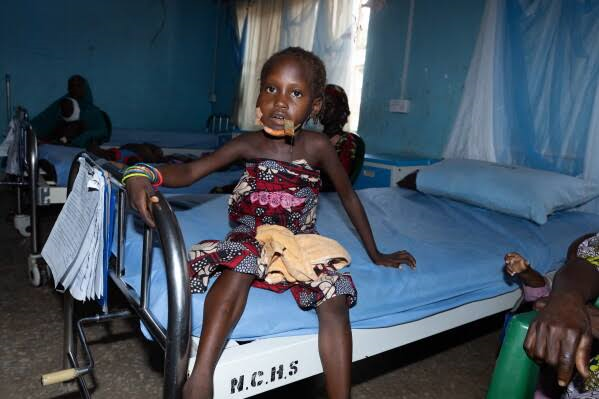
Doctors Without Borders says noma, a fast-moving and often fatal facial infection linked to malnutrition and poverty, remains largely missing from Nigeria's routine child health programmes despite its 2023 recognition as a neglected tropical disease.
 Health
Oyo Rejects Diphtheria Outbreak Claims, Accuses APC
The Oyo State Government has dismissed claims by the Senator Sharafadeen Alli Campaign Organisation that diphtheria has affected 16 local government areas, describing the allegation as false and politically motivated. Commissioner for Health Dr. Oluwaserimi Ajetunmobi confirmed that while suspected cases have been recorded in 10 LGAs, none have been confirmed, and accused the APC campaign group of distorting immunisation data to score political points.
Comments (0)
Leave a comment
All comments are moderated before publishing. Your email is never published.