
Niger Delta Leader Dismisses Jonathan's Militancy Account as Misleading
Niger Delta leader Chief Anabs Sara-Igbe has described former President Goodluck Jonathan's recent account of the Niger Delta peace process as misleading, insisting that the success of the 2009 Amnesty Programme resulted from the collective efforts of President Umaru Musa Yar'Adua, community leaders, ex-militants and other stakeholders rather than any single individual.
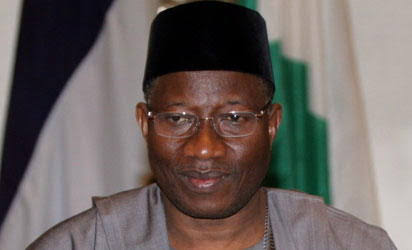
A prominent Niger Delta leader, Chief Anabs Sara-Igbe, has dismissed former President Goodluck Jonathan's recent account of his role in ending militancy in the Niger Delta, describing the narrative as misleading and incomplete. Sara-Igbe argued that the success of the 2009 Amnesty Programme was the result of collective efforts involving the late President Umaru Musa Yar'Adua, community leaders, traditional rulers, ex-militant leaders and other stakeholders, rather than the actions of any single individual.
Speaking in reaction to Jonathan's claim that he risked his life by entering militant camps without armed security, Sara-Igbe acknowledged that the former president played an important role in the peace process but insisted that many key figures also made significant sacrifices behind the scenes. He maintained that negotiations with militant groups involved extensive consultations and mediation by respected leaders across the Niger Delta.
According to the Niger Delta leader, the late President Yar'Adua demonstrated exceptional political will by approving the Amnesty Programme, while numerous elders and intermediaries worked tirelessly to persuade militant commanders to lay down their arms. He warned against attempts to personalise the achievement, saying such narratives diminish the contributions of others who risked their lives to restore peace in the oil-producing region.
Sara-Igbe further stressed that preserving an accurate account of the amnesty process is important for historical and national reasons. He said the relative peace currently enjoyed in the Niger Delta was achieved through dialogue, compromise and the commitment of multiple actors, adding that history should reflect the collective nature of the intervention rather than attributing it to one individual.
Jonathan had recently recalled entering militant camps without security escorts during efforts to convince armed groups to embrace peace, describing the mission as one of the greatest risks of his political career. His remarks have since sparked debate, with some Niger Delta stakeholders arguing that the success of the amnesty initiative was built on a broad coalition of government officials, community leaders and former militant commanders.
Sponsored

Related stories
 News
News
Shoprite Set To Open Neighbourhood Stores After Shutdown
Shoprite Nigeria plans to open standalone neighbourhood stores after reopening three outlets, as investors pursue a strategy to cut costs and revive operations.
 News
News
Blaming Opposition For Hunger Is ‘Delusion’ — Atiku Tells Tinubu
Atiku Abubakar has accused President Tinubu of evading responsibility for Nigeria’s economic hardship after blaming opposition politicians for hunger and poverty.
 News
News
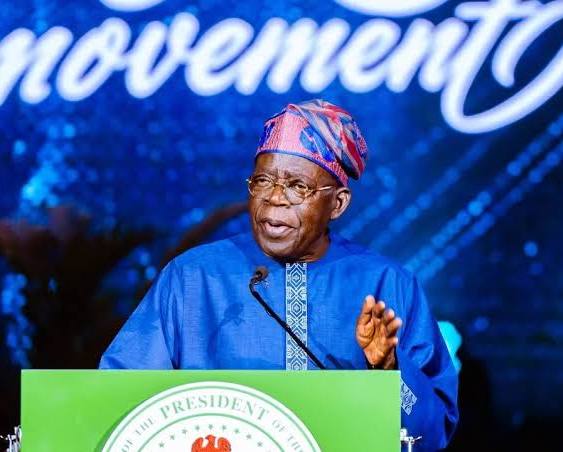
Tinubu Accuses Opposition of Creating Hunger, Poverty
President Bola Tinubu has accused opposition parties of creating the hunger and poverty they now criticise his administration over, insisting that his government is working to eradicate hardship and deliver economic prosperity.
 News
News
UNICEF, Sokoto Target One Million Children for Polio Vaccination
UNICEF and the Sokoto State Government are intensifying efforts to protect children against polio through vaccination, community mobilisation and public awareness, with emphasis on reaching every eligible child and addressing vaccine hesitancy.
Comments (0)
Leave a comment
All comments are moderated before publishing. Your email is never published.