
Neymar's Fitness Dominates Brazil Build-Up Ahead of Japan Showdown
The expanded 48-team FIFA World Cup has allowed emerging nations such as Canada and Cape Verde to make history, strengthening the argument that the new format has added greater diversity and competitiveness to the tournament.
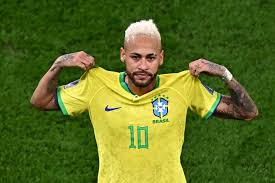
Brazil's preparations for their FIFA World Cup Round of 32 clash against Japan have been dominated by questions surrounding Neymar's fitness, with head coach Carlo Ancelotti providing a positive update on the forward's recovery.
Neymar has been carefully managed since returning from a long-term injury and has featured only briefly during Brazil's group-stage campaign. Ancelotti said the 34-year-old has continued to improve physically and could be handed a more significant role against Japan if he responds well in the final training sessions.
The Brazilian coach stressed that the medical staff would not take unnecessary risks with the country's all-time leading goalscorer, insisting that Neymar's long-term fitness remains a priority despite the importance of the knockout stages. He added that Brazil possess enough quality throughout the squad to compete regardless of who starts.
Brazil progressed comfortably from the group stage through a combination of defensive solidity and attacking depth, but many supporters believe Neymar's creativity and experience could prove decisive as the tournament enters its latter stages. His potential return to the starting line-up has fuelled optimism among fans hoping to see Brazil lift a sixth World Cup title.
Japan, however, are expected to provide a stern test after impressing during the group phase with their disciplined organisation and quick counter-attacking football. Brazil will be aiming to avoid complacency as they seek a place in the last 16.
Short Summary:
Carlo Ancelotti says Neymar is continuing to recover well ahead of Brazil's World Cup clash with Japan, although the coach insists no risks will be taken with the forward's fitness.Steve Clarke Steps Down as Scotland Manager After World Cup Exit
Steve Clarke has resigned as Scotland manager following the team's elimination from the 2026 FIFA World Cup, bringing an end to a seven-year spell in charge of the national side.
The Scottish Football Association confirmed Clarke's departure shortly after Scotland failed to progress beyond the group stage. Although the team showed signs of improvement during parts of the tournament, their campaign ended in disappointment after failing to secure enough points to qualify for the knockout rounds.
Clarke thanked the players, coaching staff and supporters for their backing throughout his tenure, describing it as an honour to manage the national team. He said the time was right for new leadership to guide Scotland into the next phase of its development.
Attention has now turned to the search for his successor, with several experienced coaches already being linked with the position. The Scottish FA is expected to begin the recruitment process immediately as preparations start for the UEFA Euro 2028 qualifying campaign.
Clarke's departure continues a growing trend at this year's World Cup, with several national team managers leaving their posts after disappointing tournament performances as football federations seek fresh direction ahead of future competitions.
Short Summary:
Steve Clarke has resigned as Scotland manager following the country's World Cup exit, ending his seven-year tenure as the Scottish FA begins the search for a new head coach.Expanded World Cup Gives Underdogs Their Moment on the Global Stage
The 2026 FIFA World Cup has reignited debate over the tournament's expansion to 48 teams, with several emerging football nations producing historic performances that have captured the attention of supporters around the world.
Countries such as Canada and Cape Verde have taken full advantage of the new format, progressing beyond the group stage and proving they can compete with some of football's traditional powerhouses. Their success has become one of the defining stories of the tournament and strengthened the case for FIFA's decision to increase the number of participating nations.
Supporters of the expanded format argue that it has created more competitive matches, offered valuable international experience to developing football nations and introduced fresh storylines that may never have emerged under the previous 32-team structure.
Critics had initially warned that expansion could reduce the overall quality of the competition, but the performances of several underdogs have challenged that view. Nations making their World Cup debuts have displayed tactical discipline, resilience and growing technical quality, demonstrating the increasing competitiveness of global football.
With the knockout stage now underway, many believe the tournament has already shown that expanding the World Cup has given smaller football nations a genuine opportunity to make history while enriching the competition with new rivalries and unforgettable moments.
Related stories
 Sports
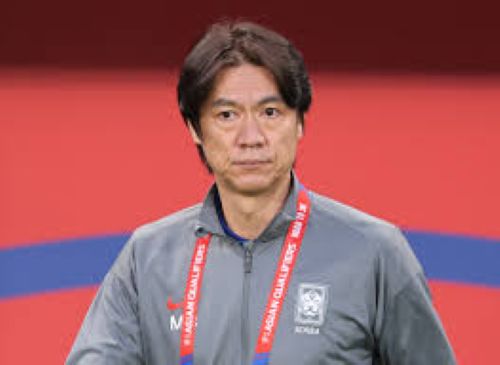
South Korea Boss Latest Coach to Lose Job After World Cup Exit
South Korea coach Hong Myung-bo resigned after his team’s World Cup group-stage exit, becoming the latest managerial casualty as criticism mounted over the country’s disappointing campaign in North America.
 Sports
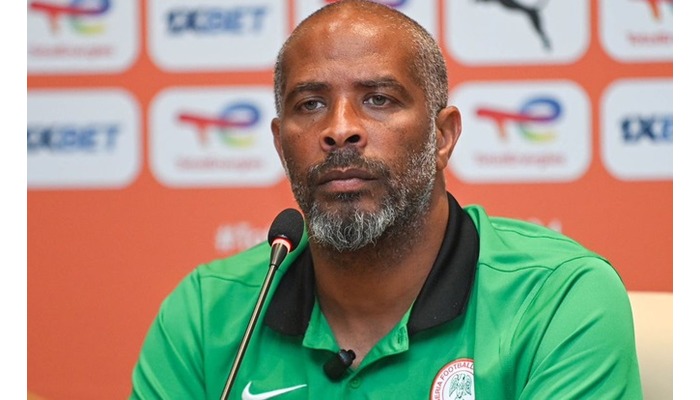
2026 World Cup: Chelle Reveals Two Matches That Cost Super Eagles Qualification
Super Eagles coach Eric Chelle says Nigeria’s failure to beat Zimbabwe at home and South Africa away proved decisive, as crucial dropped points ended their hopes of qualifying for the 2026 World Cup.
 Sports
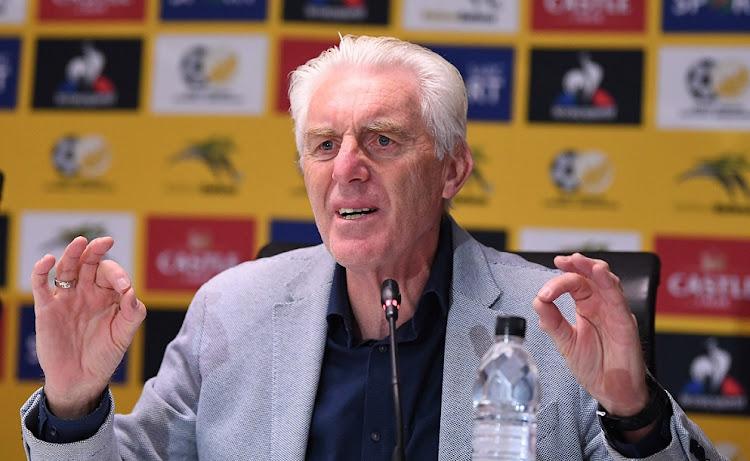
World Cup 2026: Why We Lost to Canada — South Africa Coach Hugo Broos
South Africa coach Hugo Broos blamed Canada’s superior speed and physical strength for Bafana Bafana’s World Cup exit, admitting his players struggled in one-on-one duels throughout the knockout encounter.
 Sports
World Cup Group Stage Draws Record 4.6 Million Fans Across Host Nations
The 2026 FIFA World Cup group stage attracted a record 4.6 million spectators, with an average attendance of more than 63,000 per match, highlighting the success of the tournament's expanded 48-team format.
Comments (0)
Leave a comment
All comments are moderated before publishing. Your email is never published.