
New COVID-19 Variant Prompts Medical Academy to Urge Tighter Surveillance in Nigeria
The Nigerian Academy of Medicine has urged the Federal Government to reactivate and strengthen COVID-19 surveillance systems following the emergence of a new variant abroad, warning that Nigeria’s porous borders, low testing rates, and weakened genomic sequencing capacity leave the country dangerously exposed. The academy says the time to act is now, not when the variant is already circulating undetected in Nigerian communities.
Nigerian Academy of Medicine has called for heightened vigilance and tighter surveillance across the country following the emergence of a new COVID-19 variant abroad, warning that Nigeria’s current monitoring systems are too weak to detect a fresh outbreak before it spreads widely.
The academy, in a statement issued on Wednesday, November 25, 2026, urged the Federal Government and health authorities to reactivate and strengthen the surveillance infrastructure that was built during the acute phase of the pandemic but has since been allowed to atrophy. The warning comes as global health authorities track a newly identified variant that has prompted fresh concerns about transmissibility and immune evasion, though its full clinical significance is still being assessed.
The academy’s position is rooted in a familiar pattern. During the height of the COVID-19 pandemic, Nigeria invested in testing laboratories, genomic sequencing capacity, point-of-entry screening, and community-based surveillance. Those systems, however, have been progressively defunded and deprioritised as attention shifted to other health challenges, including Lassa fever, diphtheria, mpox, and cholera outbreaks. The result is a country that is, in the academy’s assessment, dangerously ill-prepared to detect and respond to a new variant before it becomes entrenched.
“The emergence of a new variant anywhere in the world is a reminder that COVID-19 has not disappeared,” the academy said. “Nigeria cannot afford to wait until cases are already surging before it acts. Surveillance is not an expense. It is an insurance policy against the next public health emergency”. The academy specifically called for increased testing at points of entry, expanded genomic sequencing of positive samples, and improved community-based reporting systems that can flag unusual patterns of respiratory illness.
The concern is not abstract. Nigeria’s land borders are vast and porous, and its airports handle millions of passengers annually. A variant that is circulating in Europe, Asia, or North America can reach Lagos, Abuja, or Kano within hours, often before any formal alert is issued. If Nigeria is not actively sequencing samples from travellers, hospitals, and community clinics, the variant could establish a foothold without ever being formally detected.
The academy also highlighted the role of public communication. It urged health authorities to provide regular, accurate updates on the new variant, including its known characteristics, the level of risk it poses, and the measures citizens can take to protect themselves. In the absence of clear communication, the academy warned, misinformation and complacency fill the vacuum, both of which are dangerous in a public health emergency.
The statement comes at a moment of broader anxiety about Nigeria’s preparedness for infectious disease threats. In recent months, the country has grappled with multiple outbreaks that have exposed gaps in its response capacity. The academy noted that the lessons of COVID-19, including the importance of early detection, rapid response, and sustained investment in public health infrastructure, risk being forgotten as attention moves on.
Medical experts who spoke to our correspondent welcomed the academy’s intervention but questioned whether it would translate into action. “We have a habit in Nigeria of issuing strong statements after every outbreak, and then returning to business as usual once the headlines fade,” said a consultant epidemiologist at a Lagos teaching hospital who spoke on condition of anonymity. “The question is whether the Federal Ministry of Health has the budget, the political backing, and the institutional memory to maintain surveillance at the level the academy is demanding”.
The Federal Ministry of Health has not issued a detailed response to the academy’s statement, but officials have previously indicated that surveillance systems remain active, even if at reduced intensity compared with the pandemic’s peak. The Nigeria Centre for Disease Control and Prevention continues to monitor respiratory illnesses and conducts genomic sequencing on a smaller scale than during the acute phase.
For the academy, the message is clear: the new variant is a warning shot, and Nigeria’s window to prepare is narrowing. The country’s health security depends not on the absence of threats, but on the strength of its ability to detect them early, respond rapidly, and communicate honestly. On all three counts, the academy suggests, there is work to be done.
Sponsored

Related stories
 Health
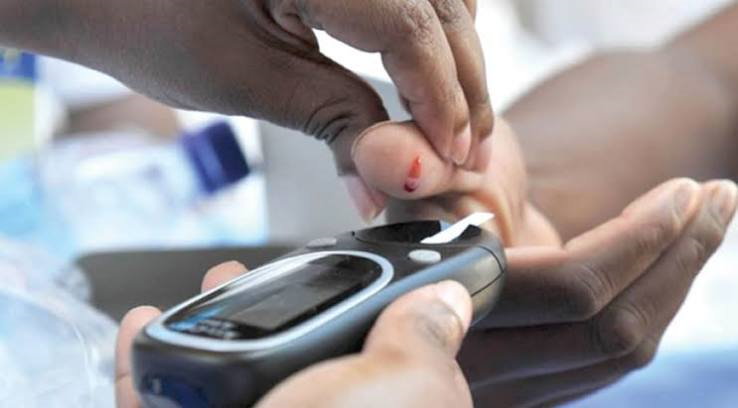
FG Intensifies Campaign Against Unhealthy Diets Amid Rising Hypertension, Diabetes Cases
The Federal Government has called for urgent, coordinated action to curb the rising tide of hypertension and diabetes, blaming unhealthy diets, processed foods, and sedentary lifestyles for a silent epidemic that is overwhelming Nigeria’s health system. Health authorities warn that unless food environments change and prevention becomes a national priority, millions more Nigerians will be diagnosed with preventable conditions that cost lives and drain household finances.
 Health
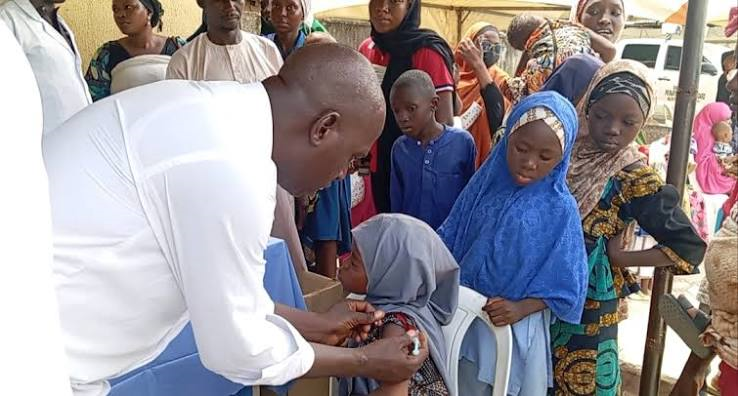
Bauchi, UNICEF Launch Maternal, Child Health Campaign Targeting 1.5 Million
Bauchi State has flagged off the second round of the 2026 Maternal, Newborn and Child Health Week, a five-day campaign delivering free immunisation, Vitamin A supplements, deworming, nutrition screening and antenatal support to mothers and children under five. UNICEF has provided over 1.5 million doses of Vitamin A, a cost-effective intervention that can cut child mortality by up to 24 per cent. First Lady Hajiya Aisha Bala Mohammed says no mother or child should be excluded from life-saving car
 Health
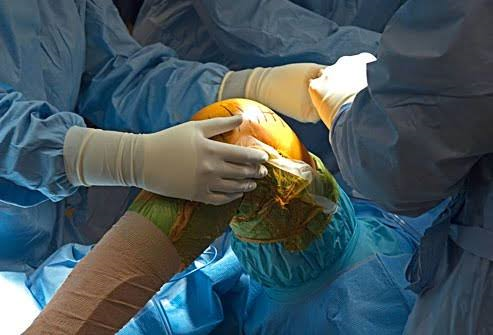
Abuja Surgeons Offer Free Knee Replacement Surgeries to Indigent Patients
The Nigerian Orthopaedic Association has launched a three-day free orthopaedic and trauma outreach across Abuja, performing knee replacement surgeries that would normally cost millions of naira at no charge to indigent patients. Over 100 people with mobility challenges received care on the first day at Wuse District Hospital, as surgeons from across the country volunteer their skills for the association's 49th Annual General Meeting, turning a professional conference into a lifeline for those wh
 Health
Ash Biomedical, GenBody Partner to Produce HIV Self-Test Kits in Abuja
A Nigerian diagnostics manufacturer, Ash Biomedical Diagnostics Limited, has partnered with South Korea’s GenBody Inc. to introduce and locally produce the ConfiSign HIV Self-Test, with manufacturing set to begin at a new facility in Idu, Abuja, once commissioning is completed in the first quarter of 2027. The deal includes technology transfer, training, and the potential for Nigeria to serve as a distribution hub for West Africa,a significant step toward reducing dependence on imported test kit
Comments (0)
Leave a comment
All comments are moderated before publishing. Your email is never published.