
Bauchi, UNICEF Launch Maternal, Child Health Campaign Targeting 1.5 Million
Bauchi State has flagged off the second round of the 2026 Maternal, Newborn and Child Health Week, a five-day campaign delivering free immunisation, Vitamin A supplements, deworming, nutrition screening and antenatal support to mothers and children under five. UNICEF has provided over 1.5 million doses of Vitamin A, a cost-effective intervention that can cut child mortality by up to 24 per cent. First Lady Hajiya Aisha Bala Mohammed says no mother or child should be excluded from life-saving car
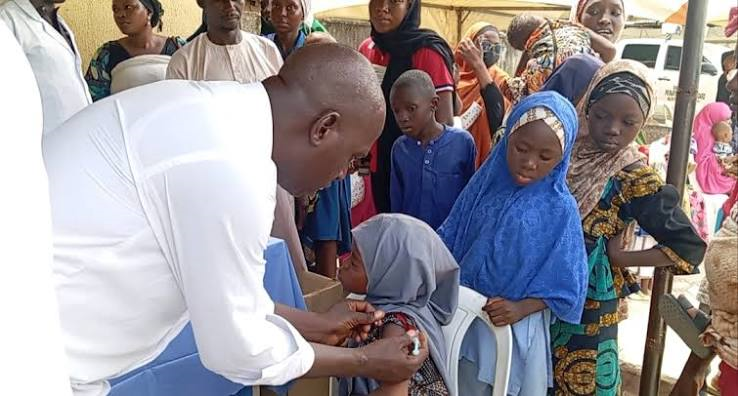
Bauchi State has launched the second round of the 2026 Bi-Annual Maternal, Newborn and Child Health Week (MNCHW), a high-impact campaign designed to bring essential life-saving health services directly to pregnant women, mothers and children under five, particularly those in hard-to-reach and underserved communities.
The exercise was flagged off on Monday at the Urban Maternity Hospital in Bauchi by the state government in partnership with the United Nations Children's Fund (UNICEF). The campaign represents a coordinated push to reduce preventable maternal and child deaths by expanding access to routine immunisation, Vitamin A supplementation, nutritional assessment, deworming, health education and Multiple Micronutrient Supplementation (MMS).
Speaking at the ceremony, the Bauchi State First Lady, Hajiya Aisha Bala Mohammed, urged parents, caregivers and community members to take full advantage of the services offered during the week. She described the initiative as a critical intervention for protecting the health and well-being of mothers, newborns and children, especially those living in communities where access to quality healthcare remains a daily struggle.
The First Lady said preventable maternal and childhood illnesses and deaths remain major public health concerns in Nigeria, and she stressed the need for improved access to quality healthcare, routine immunisation, adequate nutrition, antenatal care, skilled birth attendance and proper hygiene practices. According to her, the campaign provides an opportunity to bring essential healthcare services closer to women and children while promoting preventive healthcare at the community level.
She urged pregnant women to attend antenatal clinics regularly, ensure skilled assistance during childbirth and seek prompt medical attention whenever necessary. She also reaffirmed her commitment to women's health, child protection and family welfare, pledging to sustain her humanitarian and advocacy engagements toward empowering women and improving access to essential healthcare services.
The First Lady called for collective action involving government agencies, development partners, traditional and religious institutions, parents and community stakeholders to ensure that no mother or child is excluded from life-saving healthcare interventions.
In her remarks, the Chief of the Bauchi UNICEF Field Office, Dr Nuzhat Rafique, commended the state government for its sustained commitment to improving the health and nutrition of women and children through the timely implementation of the programme in line with the national schedule. Represented by UNICEF Health Specialist Dr David Audu, Rafique described the Maternal, Newborn and Child Health Week as one of the most effective platforms for delivering integrated, life-saving interventions to vulnerable populations.
She disclosed that UNICEF had provided more than 1.5 million doses of Vitamin A supplements, alongside additional implementation support, to strengthen service delivery and improve coverage across the state. Children aged six to 59 months will benefit from Vitamin A supplementation, deworming, nutrition screening and referral services where necessary, while pregnant women will receive Multiple Micronutrient Supplementation and other critical maternal health interventions.
Rafique explained that Vitamin A is essential for healthy growth and a strong immune system, warning that its deficiency could cause preventable childhood blindness and increase the risk of severe infections and death from common childhood illnesses such as diarrhoea and measles. According to her, evidence shows that periodic high-dose Vitamin A supplementation can reduce child mortality by between 12 and 24 per cent, making it one of the most cost-effective interventions for improving child survival. She assured the state government of UNICEF's continued support and collaboration with development partners to ensure the successful implementation of the campaign.
The MNCHW is a biannual event that brings together immunisation, nutrition and maternal health services in a single package, reducing the number of visits families must make to access care. For Bauchi, a state that has historically grappled with high maternal and child mortality, the campaign is more than a routine exercise. It is a test of whether the state can convert its partnership with UNICEF and its investment in primary healthcare into measurable reductions in death and disease among its most vulnerable residents.
The First Lady's call for collective action captures the stakes. Governments can supply vaccines and supplements, UNICEF can provide doses and technical support, and health workers can staff the clinics. But the campaign's success ultimately depends on whether mothers, fathers and caregivers bring their children to the facilities, whether communities trust the services on offer and whether the state can sustain the momentum beyond the five-day window. The supplies are in place, the facilities are open, and the message from Bauchi is clear: no mother or child should be left behind.
Sponsored

Related stories
 Health
Abuja Surgeons Offer Free Knee Replacement Surgeries to Indigent Patients
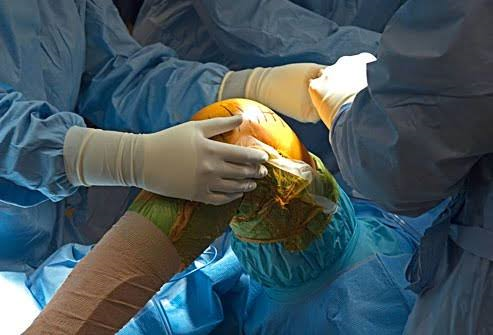
The Nigerian Orthopaedic Association has launched a three-day free orthopaedic and trauma outreach across Abuja, performing knee replacement surgeries that would normally cost millions of naira at no charge to indigent patients. Over 100 people with mobility challenges received care on the first day at Wuse District Hospital, as surgeons from across the country volunteer their skills for the association's 49th Annual General Meeting, turning a professional conference into a lifeline for those wh
 Health
Ash Biomedical, GenBody Partner to Produce HIV Self-Test Kits in Abuja
A Nigerian diagnostics manufacturer, Ash Biomedical Diagnostics Limited, has partnered with South Korea’s GenBody Inc. to introduce and locally produce the ConfiSign HIV Self-Test, with manufacturing set to begin at a new facility in Idu, Abuja, once commissioning is completed in the first quarter of 2027. The deal includes technology transfer, training, and the potential for Nigeria to serve as a distribution hub for West Africa,a significant step toward reducing dependence on imported test kit
 Health
Bayelsa Community Raises Alarm Over Spreading Skin Disease, Fears Mpox
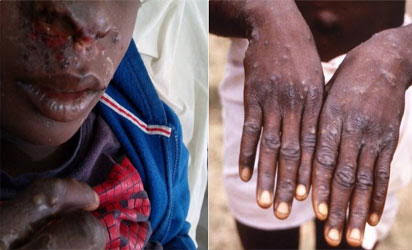
Residents of Ondewari in Southern Ijaw, Bayelsa State, are battling a mysterious skin disease that doctors at a neighbouring facility suspect is monkeypox, but no test has confirmed it. The community has no functional health centre—an Agip-built hospital has sat idle for over a decade—forcing patients to travel by boat for care. As Nigeria’s mpox caseload ticks upward and Bayelsa is named a priority vaccination state, Ondewari’s outbreak exposes a brutal truth: for riverine communities, the gap
 Health
Celeb Laser Clinic Introduces Laser Dentistry in Lagos
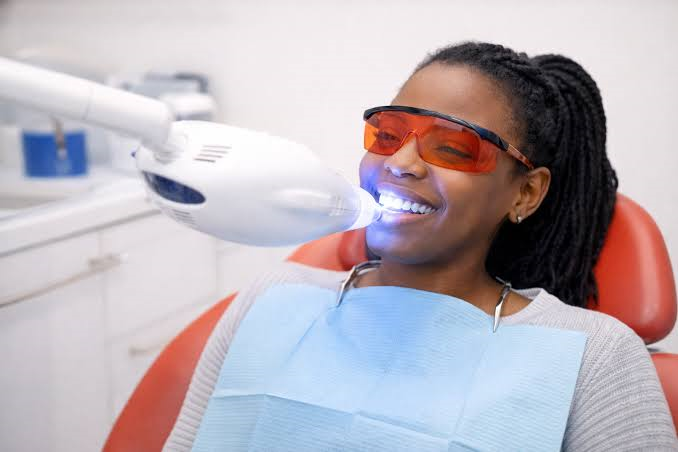
Celeb Laser Clinic has expanded into laser dentistry, offering laser teeth whitening, gum treatment, and specialised dental procedures from its Ikeja base—a move that positions advanced technology against a grim backdrop: 23.9 per cent of Nigerians have untreated cavities, 25.1 per cent suffer severe gum disease, and public primary healthcare facilities remain ill-equipped for basic oral care. Founder Dr Collins Okwu says the technology is a tool, not a substitute for clinical judgment.
Comments (0)
Leave a comment
All comments are moderated before publishing. Your email is never published.