
FG Intensifies Campaign Against Unhealthy Diets Amid Rising Hypertension, Diabetes Cases
The Federal Government has called for urgent, coordinated action to curb the rising tide of hypertension and diabetes, blaming unhealthy diets, processed foods, and sedentary lifestyles for a silent epidemic that is overwhelming Nigeria’s health system. Health authorities warn that unless food environments change and prevention becomes a national priority, millions more Nigerians will be diagnosed with preventable conditions that cost lives and drain household finances.
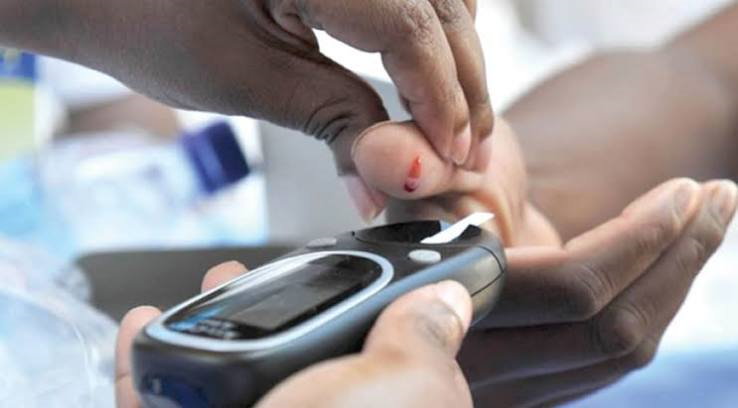
The Federal Government has issued an urgent call for action to curb the escalating prevalence of hypertension and diabetes in Nigeria, pointing to unhealthy diets as a primary driver of a silent epidemic that is quietly overwhelming the country’s health system and economy.
The call was made at a high level stakeholders’ forum in Abuja on Wednesday, November 25, 2026, convened by the Federal Ministry of Health and Social Welfare in collaboration with the World Health Organization and other development partners. The forum brought together policymakers, nutritionists, cardiologists, endocrinologists, food industry representatives, and civil society organisations to confront what officials described as a preventable crisis spiralling out of control.
The numbers are sobering. Nigeria has one of the highest burdens of hypertension in Africa, with an estimated 30 per cent of adults living with elevated blood pressure, many undiagnosed and untreated. Diabetes prevalence has also risen sharply, driven by urbanisation, changing dietary patterns, and reduced physical activity. Health experts at the forum warned that if current trends continue, the country will face a wave of cardiovascular disease, kidney failure, stroke, and amputations that will overwhelm hospitals and devastate families.
The Minister of Health and Social Welfare, Professor Muhammad Ali Pate, in his address, identified the food environment as a critical battleground. He noted that Nigerians are increasingly consuming energy dense, nutrient poor foods high in salt, sugar, and unhealthy fats, often imported or heavily processed, while traditional diets rich in fruits, vegetables, and whole grains are being abandoned. “We cannot treat our way out of this crisis,” Pate said. “The solution lies in prevention, and prevention begins with what people eat, how they live, and the environments in which they make those choices”.
The forum examined a range of policy options, including front of package nutrition labelling, restrictions on marketing of unhealthy foods to children, reformulation of processed foods to reduce salt and sugar content, subsidies for fresh produce, and public awareness campaigns on healthy eating. The World Health Organization representative at the forum emphasised that Nigeria has committed to global targets on non communicable diseases and must now translate those commitments into enforceable national policies.
Stakeholders acknowledged that the food industry will resist some of these measures. Front of package labelling, in particular, has faced pushback from manufacturers who argue that it stigmatises their products and could harm sales. But health advocates at the forum countered that voluntary measures have failed and that industry self regulation has not produced meaningful changes in the nutritional quality of processed foods. They called for mandatory, evidence based policies that prioritise public health over commercial interests.
The forum also addressed the role of the healthcare system. Many Nigerians with hypertension and diabetes are diagnosed late, often after complications have already developed. Primary healthcare centres, which should be the first line of prevention, screening, and treatment, remain underfunded and understaffed. The forum called for the integration of non communicable disease screening into routine primary care, the expansion of access to affordable medicines, and the training of community health workers to support lifestyle interventions.
For ordinary Nigerians, the stakes are deeply personal. Hypertension and diabetes are chronic conditions that require lifelong management. For families without health insurance or disposable income, the cost of medicines, monitoring, and complication management can be catastrophic. A single stroke or amputation can push an entire household into poverty. The forum heard testimony from patients who described the emotional and financial toll of managing diabetes without adequate support.
The economic dimension is equally grave. Non communicable diseases reduce productivity, increase absenteeism, and impose heavy costs on the health system and the economy. The World Bank estimates that NCDs could cost Nigeria billions of dollars in lost economic output over the next decade if left unchecked. The forum called for a whole of government approach that brings together the ministries of health, agriculture, education, finance, and trade to address the root causes of unhealthy diets.
The Federal Government’s call for action is a recognition that the country cannot afford to wait. Hypertension and diabetes are not diseases of affluence or old age alone. They are increasingly affecting younger Nigerians, including those in their 30s and 40s, many of whom are unaware of their condition until they suffer a stroke, heart attack, or kidney failure. The forum ended with a commitment to develop a national action plan on healthy diets and non communicable disease prevention, with clear targets, timelines, and accountability mechanisms.
The message from Abuja is clear. Unhealthy diets are killing Nigerians, and the government has decided to act. Whether that action translates into tangible changes in the food environment, healthcare delivery, and individual behaviour will determine whether the country reverses the tide or is swept away by it.
Sponsored

Related stories
 Health
New COVID-19 Variant Prompts Medical Academy to Urge Tighter Surveillance in Nigeria
The Nigerian Academy of Medicine has urged the Federal Government to reactivate and strengthen COVID-19 surveillance systems following the emergence of a new variant abroad, warning that Nigeria’s porous borders, low testing rates, and weakened genomic sequencing capacity leave the country dangerously exposed. The academy says the time to act is now, not when the variant is already circulating undetected in Nigerian communities.
 Health
Bauchi, UNICEF Launch Maternal, Child Health Campaign Targeting 1.5 Million
Bauchi State has flagged off the second round of the 2026 Maternal, Newborn and Child Health Week, a five-day campaign delivering free immunisation, Vitamin A supplements, deworming, nutrition screening and antenatal support to mothers and children under five. UNICEF has provided over 1.5 million doses of Vitamin A, a cost-effective intervention that can cut child mortality by up to 24 per cent. First Lady Hajiya Aisha Bala Mohammed says no mother or child should be excluded from life-saving car
 Health
Abuja Surgeons Offer Free Knee Replacement Surgeries to Indigent Patients
The Nigerian Orthopaedic Association has launched a three-day free orthopaedic and trauma outreach across Abuja, performing knee replacement surgeries that would normally cost millions of naira at no charge to indigent patients. Over 100 people with mobility challenges received care on the first day at Wuse District Hospital, as surgeons from across the country volunteer their skills for the association's 49th Annual General Meeting, turning a professional conference into a lifeline for those wh
 Health
Ash Biomedical, GenBody Partner to Produce HIV Self-Test Kits in Abuja
A Nigerian diagnostics manufacturer, Ash Biomedical Diagnostics Limited, has partnered with South Korea’s GenBody Inc. to introduce and locally produce the ConfiSign HIV Self-Test, with manufacturing set to begin at a new facility in Idu, Abuja, once commissioning is completed in the first quarter of 2027. The deal includes technology transfer, training, and the potential for Nigeria to serve as a distribution hub for West Africa,a significant step toward reducing dependence on imported test kit
Comments (0)
Leave a comment
All comments are moderated before publishing. Your email is never published.