
NEPL and Seplat Energy JV Partners Edo Hospital on Healthcare Outreach
The NEPL/Seplat Energy Joint Venture has teamed up with Edo Specialist Hospital for a three-day “Eye Can See” outreach in Benin City, offering free screenings, surgeries, eyeglasses, basic health checks and dental care to thousands of residents.
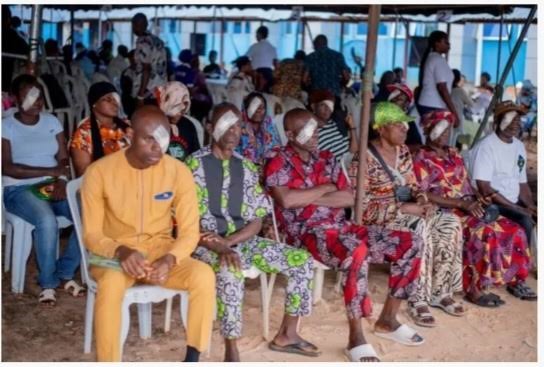
The NNPC Exploration and Production Limited and Seplat Energy Joint Venture has taken its flagship healthcare initiative, “Eye Can See,” to the Edo Specialist Hospital in Benin City. The three-day outreach brought thousands of residents for eye screenings, surgeries and other medical services at no cost.
The programme is part of the joint venture’s long-running social investment effort to improve access to healthcare in host communities. By partnering with the Edo Specialist Hospital, the organisers combined funding, medical consumables and institutional support with specialist expertise and hospital infrastructure.
A major focus of the outreach was eye care. Thousands of people were screened, hundreds received free eyeglasses, and several surgeries were carried out for patients with more serious conditions. The initiative also included consultations, treatment and referrals for beneficiaries who needed follow-up care.
What makes the programme notable is that it went beyond vision care. Residents also received basic health checks and dental services, making the outreach a more comprehensive community health intervention rather than a one-issue campaign. That wider scope matters in areas where many people may not have easy access to routine medical services.
Seplat Energy said the partnership strengthens the delivery of “Eye Can See” by bringing together the company’s resources and the hospital’s specialist capacity. The company also described the initiative as a way of improving vision health and general wellbeing across Edo and Delta states.
The programme is part of a broader pattern of corporate social investment by oil and gas companies operating in host communities. For many residents, such outreaches can be the only practical opportunity to receive screening and treatment, especially for eye conditions that might otherwise go undiagnosed until they become severe.
The outreach also shows the role private-sector partnerships can play in filling healthcare gaps. When companies, hospitals and local institutions work together, they can deliver services at a scale that would be difficult for any one of them to manage alone. In this case, the result was free care for thousands of people and broader awareness of preventable and treatable health problems.
If sustained, programmes like this can do more than provide short-term relief. They can encourage earlier diagnosis, reduce avoidable blindness and strengthen trust between companies and the communities where they operate.
Sponsored

Related stories
 Health
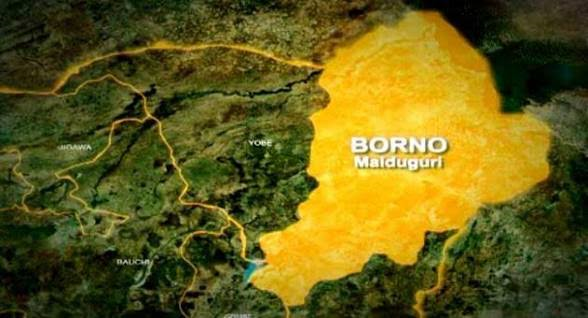
Borno Hires 2,000 Health Workers, Still Faces Staff Shortage
Borno State has recruited nearly 2,000 doctors, nurses and other health professionals in two years, but the head of its contributory health agency says manpower gaps persist as demand grows under the state health insurance scheme.
 Health
Lassa Fever Kills 268 in Nigeria as Cases Hit 1,138
Nigeria has recorded 1,138 confirmed Lassa fever cases and 268 deaths across 24 states in 2026, with the case fatality rate rising to 23.6 per cent—significantly higher than the 18.6 per cent recorded during the same period in 2025. The NCDC has identified five states accounting for 88 per cent of all confirmed cases, as it intensifies preparedness efforts ahead of the peak transmission season.
 Health
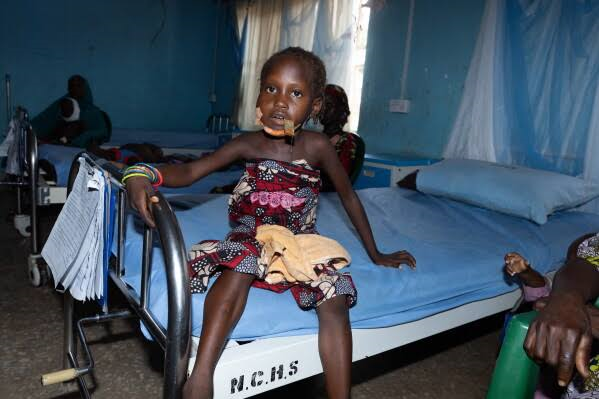
MSF Calls for Routine Noma Surveillance in Nigeria
Doctors Without Borders says noma, a fast-moving and often fatal facial infection linked to malnutrition and poverty, remains largely missing from Nigeria's routine child health programmes despite its 2023 recognition as a neglected tropical disease.
 Health
Oyo Rejects Diphtheria Outbreak Claims, Accuses APC
The Oyo State Government has dismissed claims by the Senator Sharafadeen Alli Campaign Organisation that diphtheria has affected 16 local government areas, describing the allegation as false and politically motivated. Commissioner for Health Dr. Oluwaserimi Ajetunmobi confirmed that while suspected cases have been recorded in 10 LGAs, none have been confirmed, and accused the APC campaign group of distorting immunisation data to score political points.
Comments (0)
Leave a comment
All comments are moderated before publishing. Your email is never published.