
NDIC Sensitises Ebonyi Students on Financial Literacy
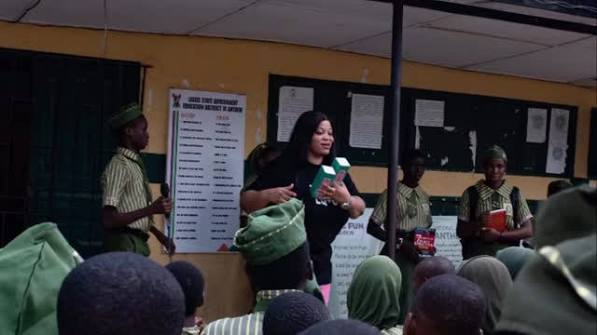
The Nigeria Deposit Insurance Corporation is taking its financial literacy campaign to Ebonyi students, teaching them savings habits, responsible money management and the basics of financial safety so they can build more secure futures.

The Nigeria Deposit Insurance Corporation is taking its financial literacy campaign to Ebonyi students, teaching them savings habits, responsible money management and the basics of financial safety so they can build more secure futures.
The Nigeria Deposit Insurance Corporation (NDIC) is continuing its nationwide push to improve financial literacy among young Nigerians, and Ebonyi students are the latest beneficiaries. The campaign is part of the corporation’s broader effort to build a generation that understands savings, budgeting, financial discipline and the risks of poor money decisions.
At the heart of the NDIC’s message is the idea that financial habits should be formed early. The corporation has repeatedly said that students need to learn the difference between wants and needs, how to save, and how to make informed choices about spending and banking. By reaching students while they are still in school, NDIC hopes to shape long-term behaviour that will support financial independence in adulthood.
The programme also stresses the importance of trust in the financial system. NDIC explains that part of financial literacy is helping young people understand how licensed banks and deposit-taking institutions work, and why it matters to keep money within safe, regulated channels. That kind of awareness can protect students and their families from fraud, fake investment schemes and unsafe financial practices.
Financial literacy is increasingly being treated as a practical life skill rather than a side topic. NDIC’s school outreach usually includes discussions on saving for the future, setting financial goals, keeping good company, and using money wisely. The corporation has also linked these programmes to wider national goals such as financial inclusion, wealth building and economic stability.
The Ebonyi sensitisation fits into NDIC’s wider pattern of school-based engagement across the country. Similar programmes have been held in other states, where students were introduced to the fundamentals of saving, investment habits and the role of deposit insurance in protecting the banking system. NDIC has said these efforts are part of its corporate social responsibility and a deliberate attempt to reach young people before bad financial habits take root.
The timing is also important. With the rising popularity of digital transactions and the spread of online financial services, students need to know not just how to save but also how to recognise legitimate platforms and avoid scams. NDIC’s awareness work therefore goes beyond classroom theory; it is also about helping young Nigerians navigate a financial system that is becoming more digital, faster and more vulnerable to abuse.
For Ebonyi students, the practical value of the programme is clear. It gives them basic tools for managing money, preparing for future responsibilities and making better decisions when they begin earning. In the long run, NDIC believes that students who understand money early are more likely to become adults who save, invest carefully and contribute to a healthier financial culture.[ndic.gov]
Sponsored

Related stories
 Tech & Education
Bamidele Unveils N200m Renovated Science College
Senate Leader Opeyemi Bamidele has commissioned the renovated Government Science College, Iyin-Ekiti, personally funded at over N200 million, donating buses to the school and nearby FUTESI while promising a second phase of upgrades.
 Tech & Education
Abia Students Crowned Global Debate Champions
Students from public schools in Abia State, representing Nigeria, have emerged overall champions at the 2026 International Schools Debate Championship in Doha, Qatar, winning four major trophies and 12 laurels after defeating teams from Jordan, India, Qatar, the Philippines, Kenya and others. The historic victory has been hailed as proof that Governor Alex Otti's education reforms are producing world-class scholars.
 Tech & Education
WAEC Appoints Suleiman Kum as New Head of Nigeria National Office
The West African Examinations Council has appointed 56-year-old Suleiman Danlami Kum as the new Head of the Nigeria National Office, succeeding Dr Amos Josiah Dangut, who has assumed office as the council’s Registrar and Chief Executive Officer. A seasoned test developer, administrator and executive with 28 years of service, Kum is expected to drive technological innovation and examination security across Nigeria’s foremost examinations body.
 Tech & Education
Emmanuel College ’88 Set Renovates Classrooms, Pays Exam Fees
The Progressives of the Unique 1988 Set of Emmanuel College Owerri have unveiled a renovated five-classroom block and paid NECO and WAEC fees for financially disadvantaged students at their alma mater.
Comments (0)
Leave a comment
All comments are moderated before publishing. Your email is never published.