
NCDC Records Rise in Lassa Fever Cases as Death Toll Hits 229
Nigeria’s Lassa fever outbreak has worsened, with the NCDC reporting 229 deaths in 2026 as fresh infections continue to rise across affected states, especially in the country’s endemic hotspots.
The Nigeria Centre for Disease Control and Prevention says Lassa fever cases are still climbing, with the death toll reaching 229 in 2026. The latest reporting shows that the outbreak remains active across several states, even as health authorities intensify surveillance and response measures.
The disease has continued to spread in the usual high-burden states, with Bauchi, Ondo, Taraba, Benue and Edo repeatedly identified as the main epicentres. These states account for most confirmed cases this year, which is why the NCDC is urging stronger local action rather than relying only on national-level announcements.
A major concern is the continued rise in infections among healthcare workers. That is significant because when health workers are exposed, the outbreak can become harder to manage, treatment capacity can shrink, and fear within facilities can delay care for other patients.
The NCDC has called for urgent state-level action, including full activation of incident management systems, stronger infection prevention and control measures, better supply of personal protective equipment and improved community engagement. It also wants states to fund response activities more seriously so that preventable deaths can be reduced.
Lassa fever is especially dangerous because many patients do not seek help early, and symptoms can resemble other common illnesses at first. By the time some cases are confirmed, the disease may already have progressed to severe stages, which helps explain the high number of deaths compared with the number of confirmed infections.
The outbreak also highlights the importance of public health preparedness at the state level. The NCDC has repeatedly emphasized surveillance, laboratory testing, case management and public awareness as the main tools for controlling the disease. If these systems are weak in a state, outbreaks can spread faster and case fatality rates can rise.
For ordinary Nigerians, the message remains the same: prevention is critical. Keeping homes clean, storing food properly, controlling rodent access, disposing of waste safely and seeking medical care early when symptoms appear can all help reduce risk. Public awareness matters because Lassa fever often spreads through contact with food or household environments contaminated by rodents.
The rise in deaths to 229 is a reminder that Lassa fever remains one of Nigeria’s most serious recurring health threats. Until states strengthen response systems and communities adopt stricter prevention habits, the disease will likely continue to cause avoidable illness and loss of life.
Sponsored

Related stories
 Health
Borno Hires 2,000 Health Workers, Still Faces Staff Shortage
Borno State has recruited nearly 2,000 doctors, nurses and other health professionals in two years, but the head of its contributory health agency says manpower gaps persist as demand grows under the state health insurance scheme.
 Health
Lassa Fever Kills 268 in Nigeria as Cases Hit 1,138
Nigeria has recorded 1,138 confirmed Lassa fever cases and 268 deaths across 24 states in 2026, with the case fatality rate rising to 23.6 per cent—significantly higher than the 18.6 per cent recorded during the same period in 2025. The NCDC has identified five states accounting for 88 per cent of all confirmed cases, as it intensifies preparedness efforts ahead of the peak transmission season.
 Health
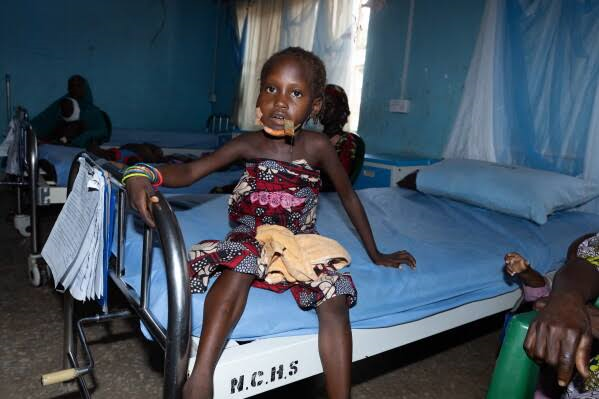
MSF Calls for Routine Noma Surveillance in Nigeria
Doctors Without Borders says noma, a fast-moving and often fatal facial infection linked to malnutrition and poverty, remains largely missing from Nigeria's routine child health programmes despite its 2023 recognition as a neglected tropical disease.
 Health
Oyo Rejects Diphtheria Outbreak Claims, Accuses APC
The Oyo State Government has dismissed claims by the Senator Sharafadeen Alli Campaign Organisation that diphtheria has affected 16 local government areas, describing the allegation as false and politically motivated. Commissioner for Health Dr. Oluwaserimi Ajetunmobi confirmed that while suspected cases have been recorded in 10 LGAs, none have been confirmed, and accused the APC campaign group of distorting immunisation data to score political points.
Comments (0)
Leave a comment
All comments are moderated before publishing. Your email is never published.