
MRA Calls for Pan-African Framework on AI Rooted in Human Rights
The Media Rights Agenda (MRA) has urged African governments to adopt a unified, rights-based framework for artificial intelligence governance, warning that without collective action, the continent risks becoming a passive consumer of foreign-designed technologies.

The Media Rights Agenda has called for the development of a Pan-African artificial intelligence framework anchored on human rights, warning that Africa risks digital dependency if it fails to shape the governance of emerging technologies.
The organisation made the call in a statement issued on Monday in Lagos State to mark the 2026 Africa Day, which commemorates the founding of the Organisation of African Unity in 1963.
According to MRA, rapid advances in artificial intelligence present both major opportunities and serious risks for Africa, particularly in governance, media freedom, elections, education, security, healthcare, and economic development.
The group noted that while AI could improve public service delivery and expand access to knowledge, it could also be used for mass surveillance, misinformation, deepfakes, algorithmic bias, and suppression of civic space if not properly regulated.
Programme Officer of MRA, Ayomide Eweje, said Africa must ensure that its AI governance reflects its realities, cultures, languages, and developmental priorities rather than relying on systems designed elsewhere.
She warned that without coordinated action, African countries may become mere data suppliers to global tech companies without control, ownership, or economic benefit from the systems built on their data.
Eweje called on the African Union and member states to integrate Pan-African principles into the ongoing continental AI strategy, stressing the need for a people-centred and development-oriented approach.
She said any proposed framework should prioritize respect for human rights, protection of privacy and data, freedom of expression, media independence, and transparency in algorithmic systems.
Other priorities, according to her, include prevention of algorithmic bias, promotion of African languages and knowledge systems, protection of electoral integrity, and strengthening digital literacy across the continent.
Eweje also advocated for open access to public-interest data, ethical innovation, and safeguards against digital inequality to ensure inclusive access to AI technologies.
She further urged African governments to prevent what she described as “data colonialism,” where African populations generate data without benefiting economically or having control over its use.
The MRA called on the African Union to initiate an inclusive process toward the adoption of a continental charter or convention on artificial intelligence and digital rights that reflects Africa’s democratic and developmental aspirations.
It also encouraged governments to involve civil society groups, journalists, youth organisations, women’s groups, academia, and technology experts in developing transparent AI policies and regulations across the continent.
Sponsored

Related stories
 News
News
Abducted Corps Members Recount Ordeal, Say Kidnappers Fed Them Garri With Dirty Water
A survivor of the abduction of 20 prospective NYSC members in Imo State has recounted how their captors beat them, monitored their calls to relatives and forced them to survive on dry garri and muddy water during seven days in captivity.
 News
News
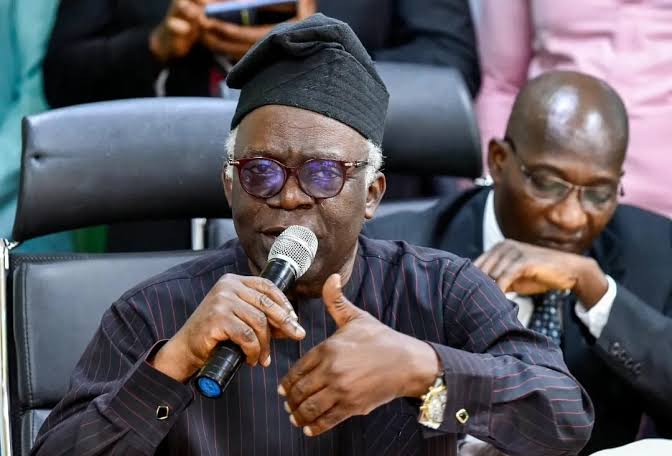
Falana Questions ₦15tn Coastal Highway Cost, Warns Against Voter Suppression
Human rights lawyer Femi Falana has questioned the estimated ₦15 trillion cost of the Lagos-Calabar Coastal Highway, demanding accountability over its funding and reported route changes, while urging political parties in Lagos to unite against electoral violence and voter suppression ahead of the 2027 elections.
 News
News
Ekiti Policemen Face Disciplinary Action Over Viral Extortion Video
Police officers captured in a viral video during an alleged extortion incident involving a motorcyclist in Ekiti State have been moved to the Force Headquarters in Abuja for disciplinary proceedings.
 News
News
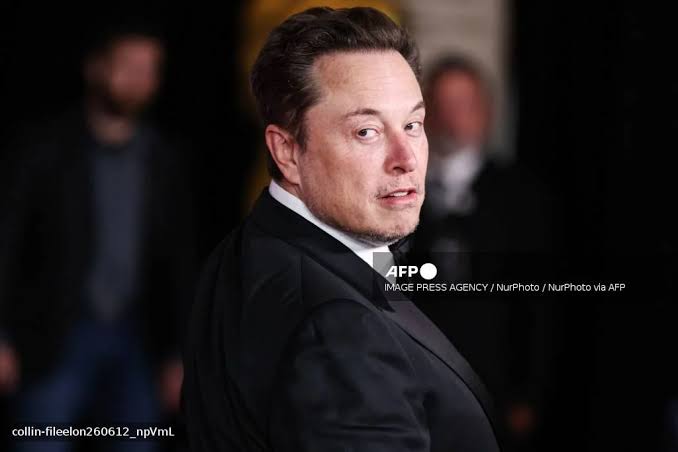
Musk Spends $276m Backing Republicans Ahead of US Midterm Elections
Billionaire Elon Musk has reportedly contributed $276 million to groups supporting Republican candidates ahead of the November 3 US midterm elections, bringing his total spending in the current election cycle to $366 million.
Comments (0)
Leave a comment
All comments are moderated before publishing. Your email is never published.