
Manage Stress to Prevent Sudden Death, Doctor Advises
A consultant physician has urged Nigerians to take proactive control of their health and stress levels to prevent sudden death, warning that many fatalities attributed to spiritual attacks are actually the result of undiagnosed hypertension, diabetes, and other preventable conditions. Speaking at a church outreach in Lagos, the expert outlined practical steps for managing stress and avoiding the lifestyle factors that contribute to cardiovascular collapse.
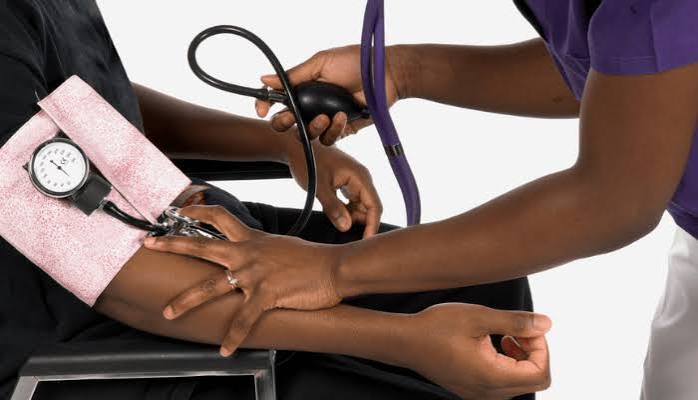
A medical expert has urged Nigerians to take deliberate control of their health and manage stress effectively to prevent the rising cases of sudden death across the country, warning that many fatalities widely attributed to spiritual attacks are actually the consequence of neglected, preventable medical conditions.
The consultant physician, who spoke at a free health outreach organised by a church in Lagos, said sudden death often occurs when underlying conditions such as hypertension, diabetes, and cardiovascular disease are left undiagnosed or poorly managed. He noted that stress, combined with unhealthy lifestyle choices, creates the perfect conditions for medical emergencies that claim lives without warning. "Many people who die suddenly did not know they had any health problem. They never checked their blood pressure, never went for routine tests, and never took the warning signs seriously until it was too late," he said.
The expert explained that stress is a silent killer that interacts with other risk factors to trigger fatal outcomes. According to him, chronic stress elevates blood pressure, disrupts sleep, weakens the immune system, and encourages unhealthy coping mechanisms such as excessive alcohol consumption, smoking, and overeating. Over time, these factors converge to increase the risk of heart attack, stroke, and other life-threatening events. "You cannot separate physical health from mental and emotional health. A man who is under constant pressure at work, who does not rest, who eats poorly and does not exercise, is building a time bomb inside his own body," he warned.
He identified the key warning signs that Nigerians should never ignore, including chest pain, shortness of breath, unexplained fatigue, persistent headaches, blurred vision, palpitations, and swelling in the legs. He said these symptoms were often dismissed as minor complaints or attributed to spiritual causes, allowing the underlying disease to progress unchecked. "If you are experiencing any of these symptoms, go to a hospital. Do not go to a prayer house first. God gave us doctors and hospitals for a reason. Prayer is important, but taking care of your body is also an act of stewardship," he said.
The medical expert outlined practical strategies for managing stress and maintaining good health. He encouraged Nigerians to prioritise regular exercise, aiming for at least 30 minutes of moderate physical activity most days of the week. He also stressed the importance of a balanced diet, rich in fruits, vegetables, whole grains, and lean proteins, while limiting salt, sugar, and processed foods. Adequate sleep, he said, was non-negotiable for anyone seeking to protect their cardiovascular and mental health. He recommended seven to eight hours of sleep each night and advised against the culture of sacrificing rest for work or entertainment.
Beyond lifestyle measures, the expert urged Nigerians to embrace routine medical check-ups as a fundamental component of preventive healthcare. He recommended annual blood pressure and blood sugar checks, as well as periodic cholesterol screenings and other tests based on age and family history. He lamented that many Nigerians only seek medical attention when they are already critically ill, by which time treatment options are limited and outcomes are often poor. "Prevention is always cheaper, easier, and more effective than cure. A simple blood pressure check today can save your life tomorrow," he said.
He also called on employers to take the mental and physical wellbeing of their staff seriously, noting that workplace stress is a major contributor to the country's rising burden of non-communicable diseases. He advised organisations to create supportive environments that promote work-life balance, provide access to counselling services, and encourage regular health screenings for employees.
The expert reiterated that sudden death is rarely truly sudden, as it is usually the culmination of years of neglect and silent disease progression. He urged Nigerians to see health as a personal responsibility that cannot be delegated to anyone else. "Nobody will take care of your body for you. You have to be your own first doctor. Listen to your body, respect its limits, and seek help when something is wrong," he said. The health outreach, which offered free blood pressure and blood sugar screenings, consultations, and medications, was part of the church's community service initiative aimed at promoting wellness and reducing the burden of preventable disease among residents.
Sponsored

Related stories
 Health
Borno Hires 2,000 Health Workers, Still Faces Staff Shortage
Borno State has recruited nearly 2,000 doctors, nurses and other health professionals in two years, but the head of its contributory health agency says manpower gaps persist as demand grows under the state health insurance scheme.
 Health
Lassa Fever Kills 268 in Nigeria as Cases Hit 1,138
Nigeria has recorded 1,138 confirmed Lassa fever cases and 268 deaths across 24 states in 2026, with the case fatality rate rising to 23.6 per cent—significantly higher than the 18.6 per cent recorded during the same period in 2025. The NCDC has identified five states accounting for 88 per cent of all confirmed cases, as it intensifies preparedness efforts ahead of the peak transmission season.
 Health
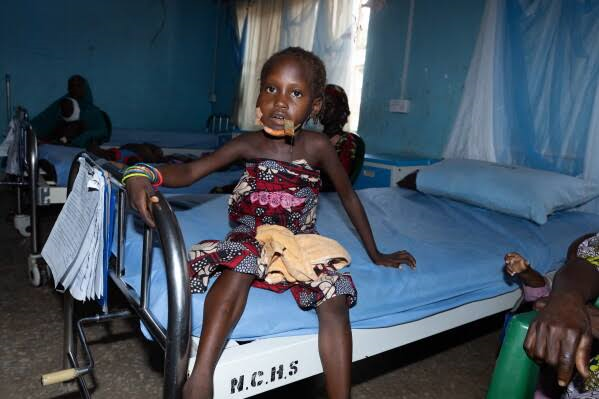
MSF Calls for Routine Noma Surveillance in Nigeria
Doctors Without Borders says noma, a fast-moving and often fatal facial infection linked to malnutrition and poverty, remains largely missing from Nigeria's routine child health programmes despite its 2023 recognition as a neglected tropical disease.
 Health
Oyo Rejects Diphtheria Outbreak Claims, Accuses APC
The Oyo State Government has dismissed claims by the Senator Sharafadeen Alli Campaign Organisation that diphtheria has affected 16 local government areas, describing the allegation as false and politically motivated. Commissioner for Health Dr. Oluwaserimi Ajetunmobi confirmed that while suspected cases have been recorded in 10 LGAs, none have been confirmed, and accused the APC campaign group of distorting immunisation data to score political points.
Comments (0)
Leave a comment
All comments are moderated before publishing. Your email is never published.