
Lawmakers Oppose Dollar Billing for Local Petrol Sales
Lawmakers oppose dollar-denominated charges on local fuel sales, investigate import licence allocations, and push reforms to protect competition.
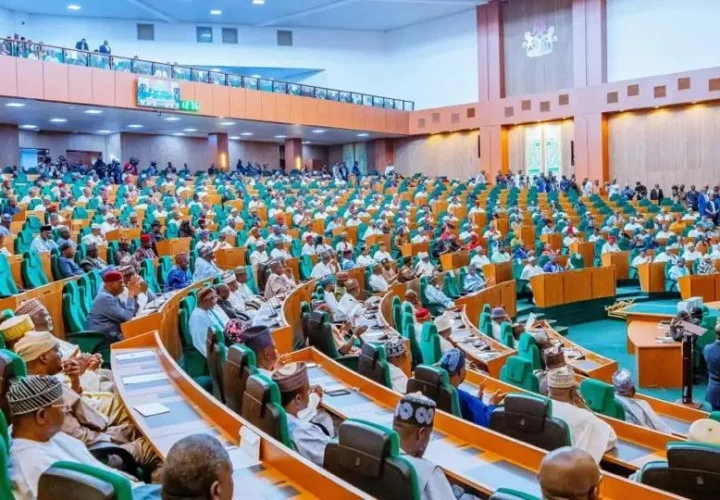
The House of Representatives has opposed the continued use of United States dollar-denominated charges for locally refined petroleum products, describing the practice as harmful to Nigeria’s economy and a factor contributing to higher fuel prices.
The position was announced on Tuesday during an interactive session organised by the House Committee on Petroleum Resources (Downstream) with key industry stakeholders, including the Independent Petroleum Marketers Association of Nigeria, the Depot and Petroleum Products Marketers Association of Nigeria and the Major Energies Marketers Association of Nigeria.
Chairman of the committee, Ikenga Ugochinyere, said lawmakers would investigate allegations of irregularities in the allocation of fuel import licences and invite the Nigerian Midstream and Downstream Petroleum Regulatory Authority, the Nigerian Upstream Petroleum Regulatory Commission, the Nigerian Ports Authority, the Central Bank of Nigeria, refiners and other agencies to respond to issues raised by operators.
He said the consultations form part of ongoing efforts to amend the Petroleum Industry Act and introduce reforms aimed at strengthening domestic refining, improving energy security and creating a more competitive downstream petroleum sector.
Ugochinyere criticised the continued charging of port fees in dollars for petroleum products refined and transported within Nigeria, arguing that such charges ultimately increase the pump price of Premium Motor Spirit.
He also pledged to investigate claims that import licences for the first three quarters of 2026 were repeatedly allocated to the same group of marketers, promising that the NMDPRA would be required to explain the criteria used.
Presenting DAPPMAN’s memorandum, Executive Secretary Olufemi Adewole said many licensed petroleum depots had recorded little or no trading activity over the past year because of an uneven operating environment.
He warned that despite the commencement of operations at the Dangote Refinery, the market was experiencing what he described as a near-monopoly in the supply of PMS, contrary to the principles of a fully deregulated market.
Adewole also urged lawmakers to address duplicated port charges and the continued billing of domestic petroleum transactions in foreign currency.
IPMAN National President, Abubakar Shettima, commended government efforts to encourage private refining but said marketers continued to face challenges, including high financing costs, multiple taxation, foreign exchange volatility and limited access to locally refined products.
He proposed the establishment of a specialised Petroleum Bank to provide single-digit interest loans to operators and urged multinational oil companies to invest more in domestic refining.
The committee said it would continue consultations with regulators, refiners, NNPC Limited and other stakeholders before proposing legislative measures to create a more transparent, competitive and sustainable downstream petroleum industry.
Sponsored

Related stories
 News
Shoprite Set To Open Neighbourhood Stores After Shutdown
Shoprite Nigeria plans to open standalone neighbourhood stores after reopening three outlets, as investors pursue a strategy to cut costs and revive operations.
 News
Blaming Opposition For Hunger Is ‘Delusion’ — Atiku Tells Tinubu
Atiku Abubakar has accused President Tinubu of evading responsibility for Nigeria’s economic hardship after blaming opposition politicians for hunger and poverty.
 News
Tinubu Accuses Opposition of Creating Hunger, Poverty
President Bola Tinubu has accused opposition parties of creating the hunger and poverty they now criticise his administration over, insisting that his government is working to eradicate hardship and deliver economic prosperity.
 News
UNICEF, Sokoto Target One Million Children for Polio Vaccination
UNICEF and the Sokoto State Government are intensifying efforts to protect children against polio through vaccination, community mobilisation and public awareness, with emphasis on reaching every eligible child and addressing vaccine hesitancy.
Comments (0)
Leave a comment
All comments are moderated before publishing. Your email is never published.