
Lassa Fever: Nigeria Records 237 Deaths as Fatality Rate Rises to 23.7%
Nigeria has recorded 1,000 confirmed Lassa fever cases and 237 deaths in the first 30 epidemiological weeks of 2026, with the case fatality rate rising to 23.7 per cent, up from 18.8 per cent in the same period in 2025, the NCDC said.
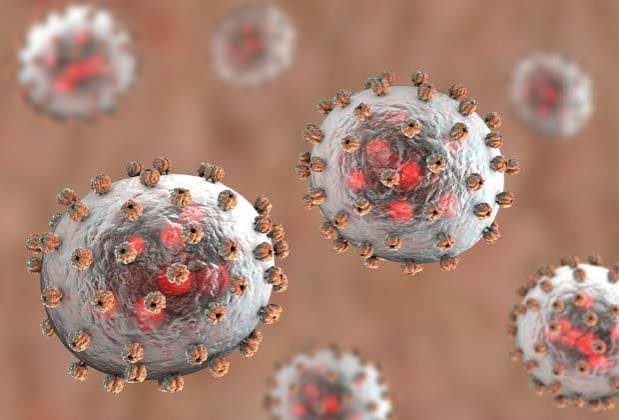
Nigeria has recorded 237 deaths from Lassa fever in the first 30 epidemiological weeks of 2026, with the disease continuing to spread across 23 states and 116 local government areas (LGAs), according to the Nigeria Centre for Disease Control and Prevention (NCDC).
The latest Lassa Fever Situation Report, covering July 20 to 26, 2026 (epidemiological week 30), showed that the country recorded 17 new confirmed cases during the week, bringing the cumulative number of confirmed cases this year to 1,000.
The NCDC reported a cumulative Case Fatality Rate (CFR) of 23.7 per cent, higher than the 18.8 per cent recorded during the same period in 2025.
By epidemiological week 30 in 2025, Nigeria had recorded 825 confirmed cases and 155 deaths, with 21 states and 105 LGAs affected, indicating that both case numbers and fatalities have increased in 2026.
Despite a slight decline in weekly infections, from 20 confirmed cases in week 29 to 17 in week 30, the cumulative death toll increased from 231 to 237, underscoring the continuing severity of the outbreak.
The NCDC attributed the rising fatality rate to several factors, including late presentation of patients at health facilities, poor health-seeking behaviour linked to the high cost of treatment and clinical management, poor environmental sanitation and limited awareness in high-burden communities.
Five states—Ondo, Bauchi, Taraba, Edo and Benue—account for 86 per cent of all confirmed cases nationwide, according to the agency.
People aged 21 to 30 years remained the most affected age group during the reporting period.
Lassa fever is an acute viral haemorrhagic illness mainly transmitted through food or household items contaminated with rodent urine or faeces, particularly from the multimammate rat (Mastomys natalensis).
Human-to-human transmission can also occur through direct contact with the blood, tissue, secretions or excretions of an infected person, especially in healthcare settings without adequate infection prevention and control measures.
The NCDC has repeatedly urged state governments to strengthen surveillance, improve case management, ensure adequate supplies of personal protective equipment (PPE) and enforce strict infection prevention and control protocols in health facilities.
The agency has also called for strengthened state-level action, including active case finding, contact tracing, community engagement, rodent control measures and improved laboratory capacity to confirm cases quickly.
Partners such as the World Health Organization (WHO) and other development agencies have supported affected states with training, supplies and technical assistance to improve outbreak response and protect health workers.
Despite these efforts, the 2026 outbreak remains one of the most severe in recent years, with case numbers and fatalities exceeding those recorded during the same period in 2025.
Public health experts warn that without sustained investment in primary healthcare, laboratory networks, isolation centres, workforce training and community education, Nigeria will continue to face recurrent Lassa fever outbreaks with high mortality.
For now, the focus remains on reducing transmission, improving early detection and ensuring that patients receive timely, affordable and effective treatment to prevent further deaths.
Sponsored

Related stories
 Health
Diri Orders Free Quarterly Health Checks for All Bayelsa Residents at Secondary Facilities
Governor Douye Diri has directed Bayelsa's Ministry of Health to begin free quarterly medical check-ups across all eight local government areas, aimed at helping residents who cannot afford routine screening and promoting early detection of diseases.
 Health
‘Priceless Gift of Sight’ Reaches 400,000 Beneficiaries
FCMB and the Tulsi Chanrai Foundation say their 15-year eye care partnership has reached over 400,000 Nigerians, as a World Sight Day roundtable in Abuja pushes for private-sector funding to sustain and expand care.
 Health
FUNAAB Launches Africa’s First AI Disease Surveillance System
Researchers at the Federal University of Agriculture, Abeokuta, have developed IDS-Master, a groundbreaking AI-powered surveillance system that detects infectious disease outbreaks in real time by analysing reports from community leaders, health agents, and ordinary residents. Described as Africa's first fully AI-driven event-based surveillance platform, the innovation promises to bridge critical gaps in outbreak detection across underserved rural communities where delays in reporting can cost l
 Health
NAFDAC Seeks Global Partners for Local Vaccine Production
The Director-General of the National Agency for Food and Drug Administration and Control (NAFDAC), Prof. Mojisola Adeyeye, has called on international partners to support the establishment of vaccine manufacturing facilities in Nigeria, saying local production is the missing link in the agency’s push to attain World Health Organisation Maturity Level 4 for vaccine lot release. She spoke at the 8th Nigeria Pharma Manufacturers’ Expo in Lagos, where she commended President Bola Tinubu’s Executive
Comments (0)
Leave a comment
All comments are moderated before publishing. Your email is never published.